How to Calculate Your Freelance Video Editing Day Rate
The day rate you heard in the pub is someone else's. This is the maths for your own, with UK tax for 2026/27, the costs people forget, and why 260 working days turns into about 136.
By the Spark team ·
Your freelance video editor day rate is the money you need for the year divided by the days you'll actually bill. The money you need is the take-home pay you want, plus the income tax and National Insurance on it, plus your business costs, plus a buffer. The days you'll bill are fewer than you think. After holidays, bank holidays and sick days, a five-day week leaves about 227 working days, and only 60 to 70% of those usually get paid. For a UK editor who wants £36,000 take-home in the 2026/27 tax year, with £7,560 of costs, that comes to about £420 a day at 60% billable.
That's the floor. The market decides what goes on top. We work with freelance editors, DoPs and motion designers all the time at Perspective Pictures, and the ones who undercharge are nearly always the ones who skipped step 4 below.
This is a method, not financial advice. For your own tax position, ask an accountant.

Step 1: Start from what you want to take home
Most freelancers start from what they heard someone else charges. Start from your own life instead: what needs to land in your personal account each year, after tax, to pay rent, eat, and occasionally see daylight.
Coming from a staff job? Your old salary is a fair first number. Just remember what the employer was quietly paying on top: holiday, sick pay, pension, the laptop, the Adobe licence. Now all of that comes out of your rate.
Step 2: Add tax back on (UK, 2026/27)
You're taxed on profit, so work out the profit you need to keep your take-home. For a sole trader in England, Wales or Northern Ireland, the figures for 6 April 2026 to 5 April 2027, from gov.uk's income tax rates and self-employed National Insurance rates, are:
| What | Rate | On profits between |
|---|---|---|
| Personal Allowance | 0% | £0 and £12,570 |
| Income tax, basic rate | 20% | £12,571 and £50,270 |
| Income tax, higher rate | 40% | £50,271 and £125,140 |
| Income tax, additional rate | 45% | over £125,140 |
| Class 4 National Insurance | 6% | £12,570 and £50,270 |
| Class 4 National Insurance | 2% | over £50,270 |
Three footnotes. The Personal Allowance shrinks by £1 for every £2 of income over £100,000 and is gone at £125,140. You don't pay Class 2 National Insurance any more: with profits of £7,105 or more it's treated as paid. And Scotland has its own income tax bands, so use those if you live there.
In the basic-rate band, every extra pound of profit costs 26p (20% tax plus 6% NI). To take home £36,000 you need about £44,232 of profit, which carries £6,332 of income tax and £1,900 of Class 4 NI.
Put tax aside from every invoice, not in a panic in January. Once your bill passes £1,000, HMRC usually asks for payments on account towards the next year too, so your first big January can mean roughly eighteen months of tax in one go. Ask anyone who's been freelance for two years. They remember it.
Step 3: Add your business costs
Allowable business expenses come off your profit before tax. Here's a realistic starting list for an editor working from home:
| Cost | Per month | Per year |
|---|---|---|
| Software: Premiere Pro and After Effects via Creative Cloud Pro (£66.49 a month as of October 2026), plus plugins, fonts and cloud storage | £80 | £960 |
| Kit (a fast computer, drives and monitors, spread over its life) | £1,500 | |
| Insurance (public liability, professional indemnity, kit) | £300 | |
| Accountant or bookkeeping software | £600 | |
| Travel to clients and edit suites | £75 | £900 |
| Phone and internet (the business share) | £50 | £600 |
| Training, books, festival passes | £300 | |
| Pension | £200 | £2,400 |
| Total | £7,560 |
If you only cut in one app, a single Adobe app is £21.98 a month on an annual plan, and DaVinci Resolve has a free version that plenty of editors finish whole jobs in. Pension contributions aren't technically a business expense, but the tax relief works out much the same, and leaving them out is how freelancers end up with no pension. Rent a desk in a shared studio or an edit suite? Add it.
Step 4: Count the days you'll really bill
This is the step that sinks most rates. A year has 260 weekdays. Take off what an employee gets without thinking:
- 20 days of holiday
- 8 bank holidays (England and Wales)
- 5 sick days
That leaves 227 working days. You won't be paid for all of them. Some go on quoting, invoicing and chasing invoices. Some go on unpaid test edits, pitches and "a quick chat about the project". Some are the gap between a job wrapping on a Wednesday and the next one starting on a Monday. And some months are just quiet.
A common rule of thumb is that freelancers bill between half and three quarters of their working days. Plan on 60% until your own records say otherwise, which turns 227 working days into about 136 billable days.
Step 5: Add a buffer
Clients pay late. A few never pay. A job slips three weeks and the one after it doesn't move. A 10% buffer on top of profit and costs covers a lot of that, and if you don't need it, congratulations, that's a pay rise.
The worked example
All of it together, for an editor who wants £36,000 a year in their pocket:
| Line | Amount |
|---|---|
| Take-home pay wanted | £36,000 |
| Income tax and Class 4 NI (2026/27) | £8,232 |
| Profit needed | £44,232 |
| Business costs | £7,560 |
| Buffer (10% of profit and costs) | £5,179 |
| Total the business needs to bring in | £56,971 |
| Working days (260 minus 33 days off) | 227 |
| Billable days at 60% | 136 |
| Day rate (£56,971 ÷ 136, rounded up) | £420 |
| Half day (60% of a day) | £260 |
| Hourly, on a 10 hour day | £42 |
Now watch what the billable days do. Same take-home, same costs:
| Billable share | Billable days | Day rate |
|---|---|---|
| 70% | 159 | £360 |
| 60% | 136 | £420 |
| 50% | 113.5 | £510 |
£150 a day of difference for exactly the same life, decided by how busy you are. That's why a newer freelancer with gaps in the diary can need a higher rate than an established one, and why it's so hard to get there.
You don't have to do this on the back of an envelope. Our free UK freelance day rate calculator runs these sums with 2026/27 income tax and National Insurance built in, lets you change every cost and every day, and works in other currencies with your own tax rate.
Is it a sensible number? Check the market
The calculation gives you a floor. Below it, you're paying to work. Whether clients pay more depends on the sector, your experience and your showreel.
For UK film and TV, the union Bectu publishes rate cards. The current set includes post-production cards for film, factual and entertainment and TV drama (2023 to 2025), plus camera and animation and VFX cards. Treat them as the minimums they're written as, not the going rate for experienced people, and use the card that matches the work you're quoting.
Marketplaces publish averages too. When we checked in October 2026, YunoJuno's videographer rates page gave an average day rate of £427 from its own booking data. One platform's clients, not the whole market, but a decent sense check against our £420.
If your floor is well above what your corner of the market pays, question the inputs before the rate. Are those costs real? Is 60% pessimistic for you? Could you add something that pays more, like grading, online or motion on top of the edit? If your floor is well below the market, you're underpricing, and your future self would like a word.
Editors, DoPs and motion designers: what changes
Same method for anyone selling their time by the day. Different details.
Editors. Define your day in hours and put it on the quote. In our corner of the industry a day is usually 10 hours; agree what happens after that (time and a half is common) before the client's notes land at 8pm. Charge assist days, grading, online and conform separately if they're separate skills, and write down how many rounds of changes the quote includes. Prep counts too. The hour you spend stepping through references before a cut is work.
DoPs and camera operators. Your day rate is your labour. Kit is a separate line: charge a kit fee or hire rate for the package you bring, because it costs you money whether it's on a job or on a shelf. Prep, recce and travel days are working days, usually at a reduced rate rather than free.
Motion designers and animators. Clients often want a project fee instead of days, so estimate the days honestly, multiply by your rate, and add contingency for the bit where the brand team rediscovers the logo lockup. Software and render costs go in step 3, and if a job needs a plugin or a stock licence, it goes on the invoice.

From day rate to quote
Clients rarely buy days on their own. They buy a result, so turn the rate into a quote: the days you expect, times your rate, plus kit, licences and any third parties, with the number of revisions and the length of a day written down. On bigger pitches the creative thinking that wins the job has a cost too, and our guide to building a film treatment covers what that work involves.

One threshold to know in the UK: once your taxable turnover passes £90,000 in any rolling 12 months, you must register for VAT. Below that it's optional.
Your references are part of the rate
The freelancers we book at the top of their range tend to turn up with a point of view: the right references on day one, the shot list half thought through before anyone asked. That's partly taste and partly a habit of keeping what you find. Our guide to a searchable reference library covers the habit, and if you're often embedded with agency teams, shared reference libraries is how the good ones handle theirs.
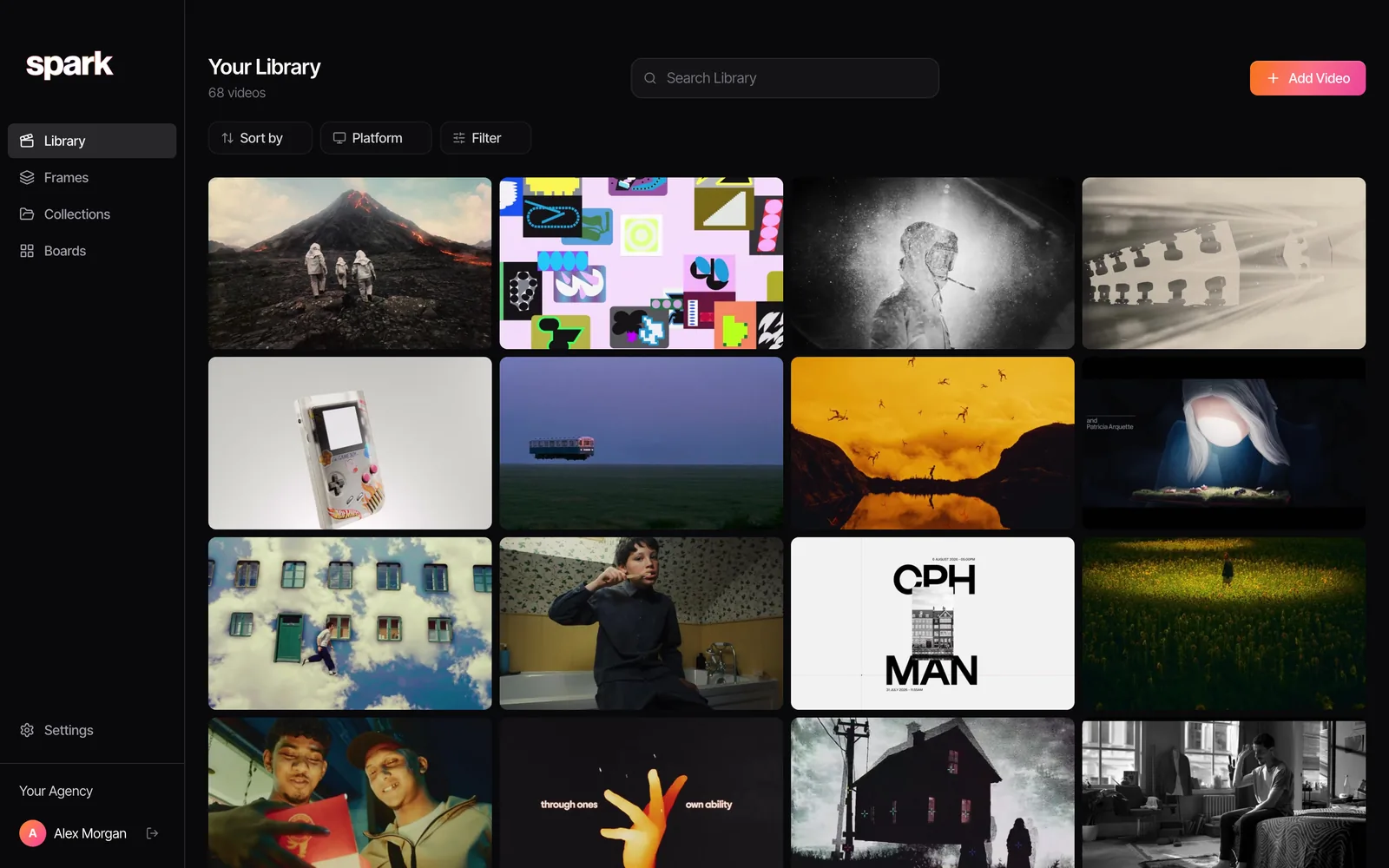
The calculator gives you the number. Spark is for the other half of a good rate: being the freelancer who always has the reference.
FAQs
How much should a freelance video editor charge per day in the UK?
It depends on your costs, how many days you bill and your corner of the market, so work out your own floor first. As an example, a UK editor who wants £36,000 take-home in 2026/27, with about £7,500 of costs and 136 billable days, needs around £420 a day. Bectu's rate cards give union minimums for film and TV work, and marketplaces publish their own averages.
How do I calculate my freelance day rate?
Add the take-home pay you want, the income tax and National Insurance on it, your yearly business costs and a buffer of around 10%. Divide that by the days you'll bill: your working days after holidays, bank holidays and sick days, multiplied by the share you're paid for, often 60 to 70%.
How many billable days does a freelancer have in a year?
A five-day week gives 260 weekdays. Take off 20 days of holiday, 8 bank holidays and 5 sick days and you have 227 working days. At 60% billable, which allows for admin, pitching and gaps between jobs, that's about 136 paid days.
Should I charge a half-day rate?
You can, but price it above half your day rate. A half day rarely leaves room for another paid job, so many freelancers charge 60% or more of a full day. Our calculator uses 60%.
Do I need to charge VAT as a freelancer?
In the UK you must register for VAT once your taxable turnover goes over £90,000 in a rolling 12 months, and then charge it on your invoices. Below that, registration is voluntary. Talk to an accountant before you get close.
Can I use the UK day rate calculator outside the UK?
Yes. Pick your currency and enter your own effective tax rate instead of the built-in UK bands. Everything else (costs, days off and billable share) works the same.
Keep reading
All articles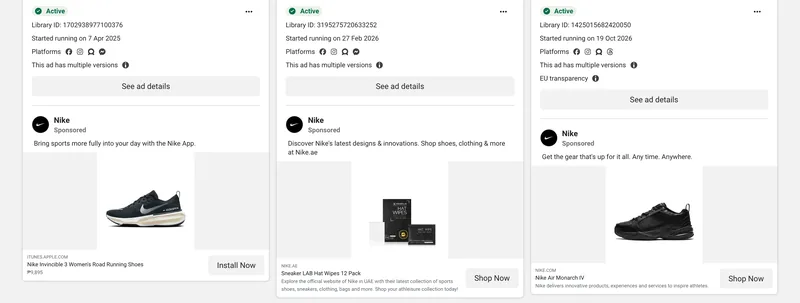
How to Use the Meta Ad Library for Creative Research
The Meta Ad Library is the biggest free archive of working ads on earth, and most guides read it like a media buyer. This one reads it like a director, with real searches from October 2026.
How to Build a Searchable Creative Inspiration Library
Your references live in nine places and none of them has a decent search bar. This is the four-step system we run at our own production company, in whatever tool you like.

How to Make a Moodboard for a Video Project
Twenty well-chosen frames with a line of explanation under each will do more for your shoot than two hundred beautiful pins. Here's how to build that board, section by section.