
How to Build a Lighting Reference Library for Film Shoots
A folder called "Eyes Wide Shut" won't help on the tech recce. Here's how to read light from a frame, file it by setup, and hand a gaffer something they can use.
By the Spark team ·
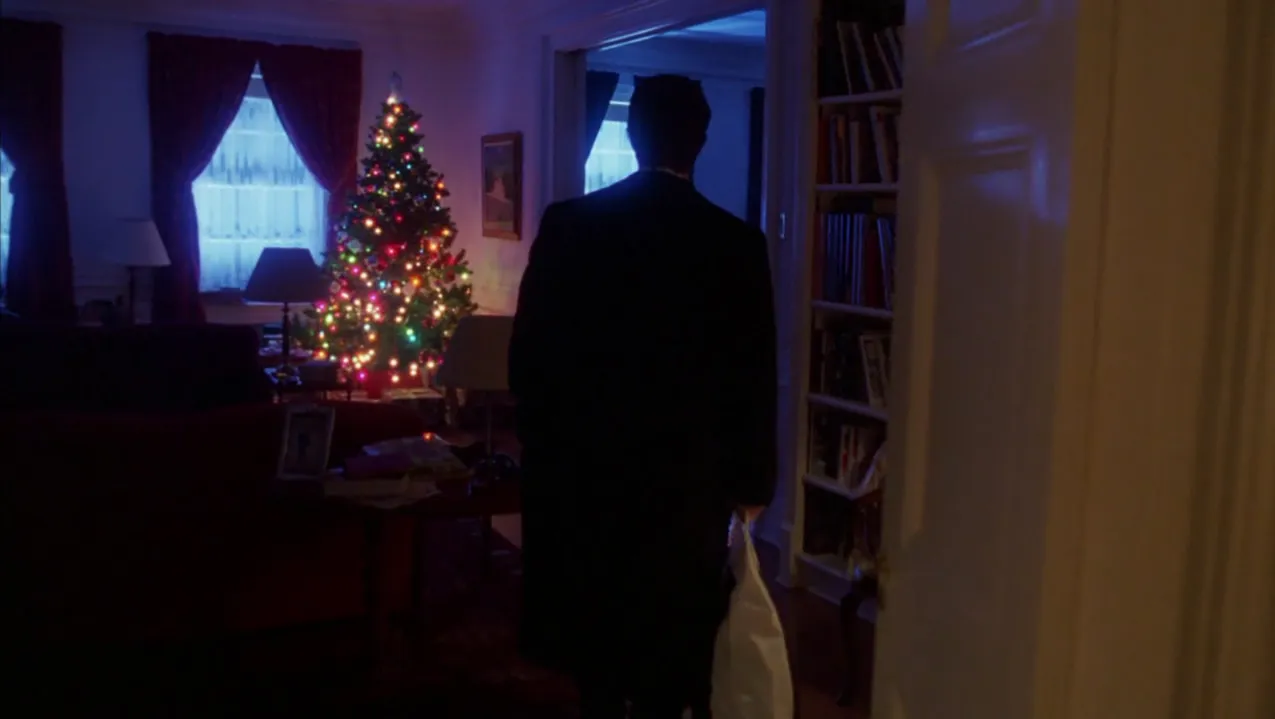
File your lighting references by how a frame is lit, not by the film it came from. That's the whole trick. For each one, write down six things: where the key comes from, whether it's hard or soft, how far the shadows fall, the colour of each source, the practicals in shot, and what in the world explains the light. Keep the clip if the light moves. Then, when the shoot comes round, your gaffer gets one frame per scene with a sentence on each of those six.
The frame at the top of this page is from Eyes Wide Shut, shot by Larry Smith. You could file it under "Kubrick" and never see it again. Or you could file it under night interior, mixed colour temperature, practicals in shot and cool window light, and it turns up the next time a director asks for a flat at night that feels warm inside and cold outside. Same frame. Only one of those libraries earns its keep.
Why we file light by setup, not by film
Nobody on a recce asks what a film looked like. The gaffer asks where the night interior's light is coming from. The DoP asks how dark the shadow side can go. The producer asks whether it's two lamps or a cherry picker. A lighting library has to answer those in under a minute, so the tags have to describe light.
Filing by setup also shows you patterns you'd never spot otherwise. Pull every single source, falls to black frame into one place and a Kubrick interior, a Wong Kar-wai corridor and a music video someone sent you on Instagram turn out to be doing roughly the same thing with roughly the same kit.
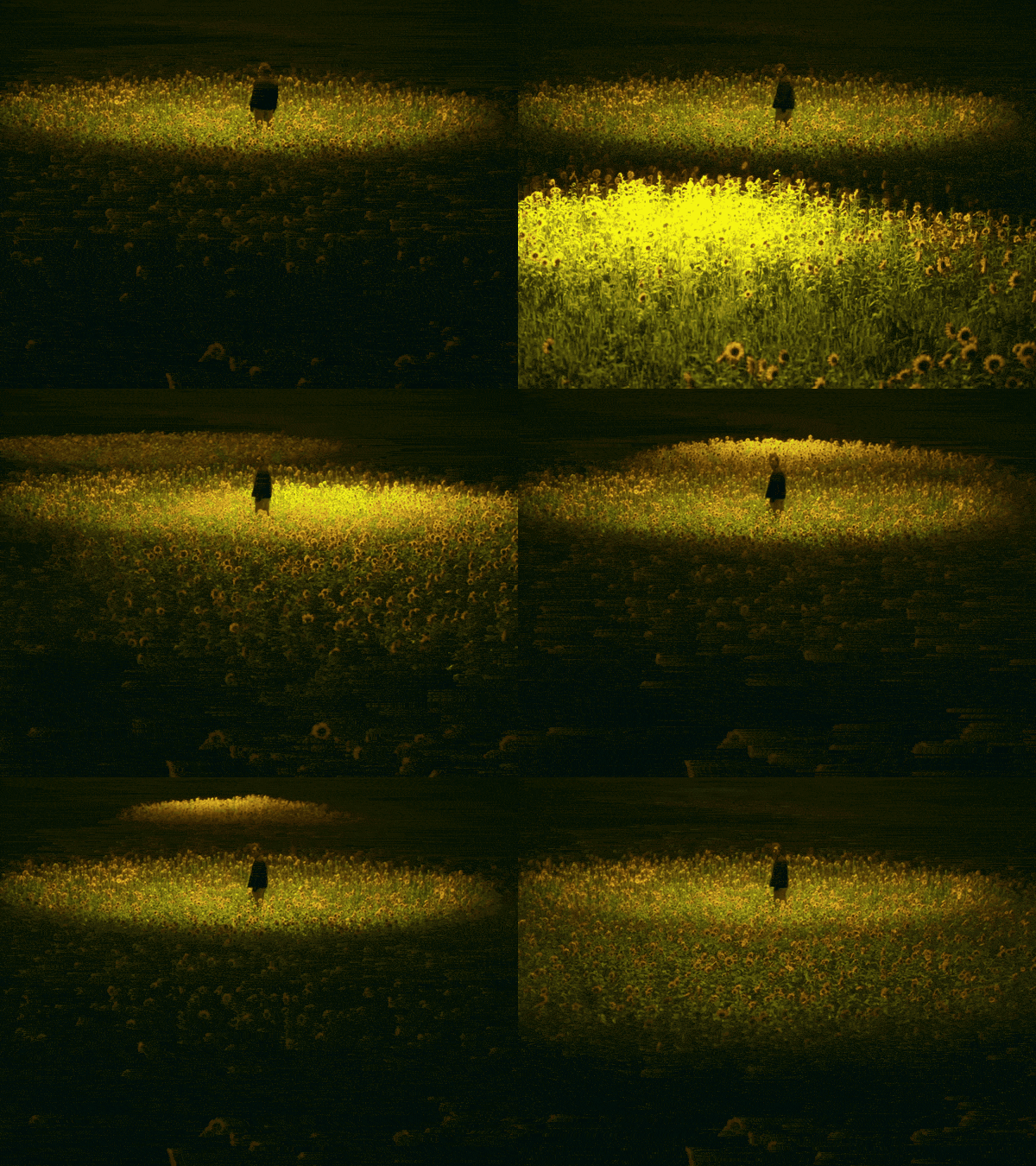
How to read light from a still
Direction: where is the key?
Find the brightest side of the face, then look at the shadow under the nose and chin. Straight down means top light. Down and to one side is a three-quarter key. A face split down the middle is side light. A bright rim on the hair and shoulders with a darker face is backlight.
The catchlights give it away. Their position tells you where the source sits (ten o'clock in the eye means high and camera left). Their shape tells you what it is: a soft rectangle is a window or a big diffused source, a hard dot is a bare bulb or the sun.
Quality: hard or soft?
Look at the edges of the shadows. A crisp line means a small source relative to the subject: sun, a bare fresnel, one bulb. A gradual, feathered edge means a big one: overcast sky, a large window, a bounce, a book light. It's size relative to distance that counts, which is why a big softbox at the far end of a warehouse can still look quite hard.
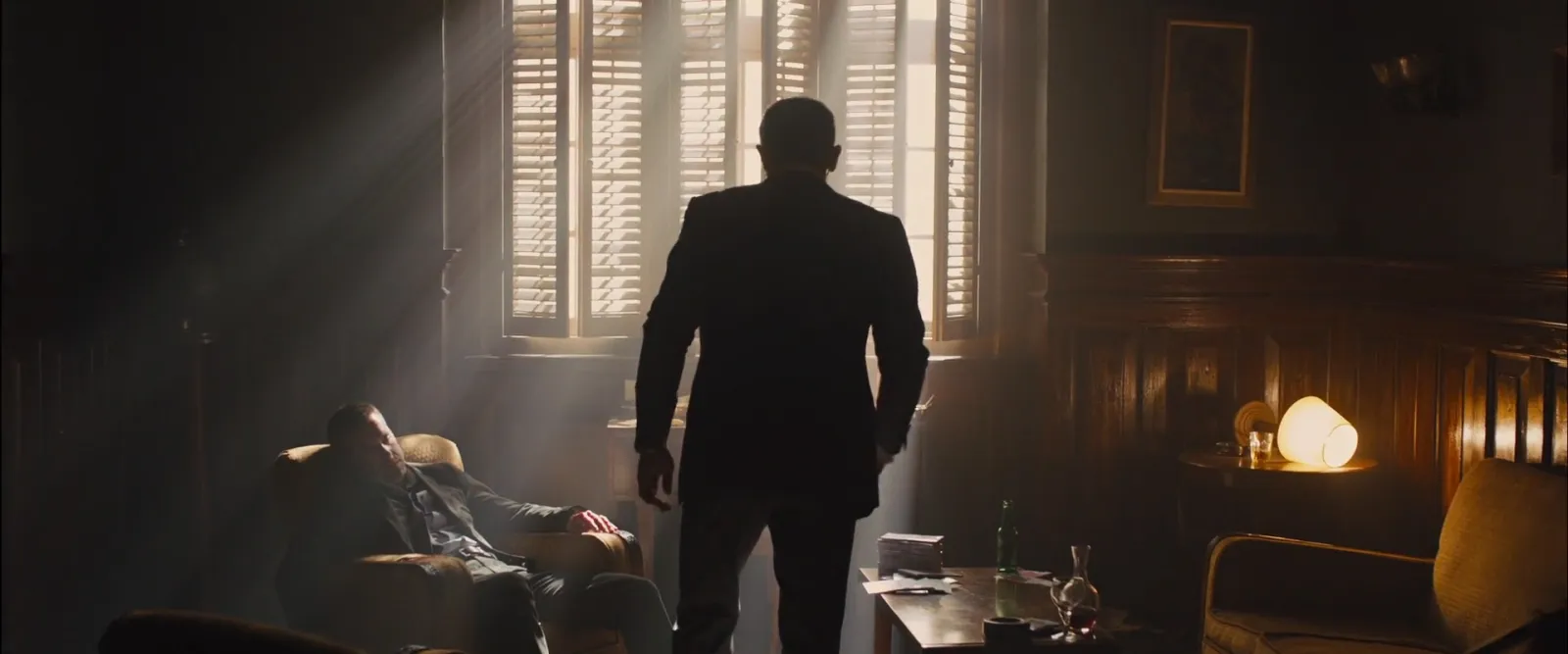
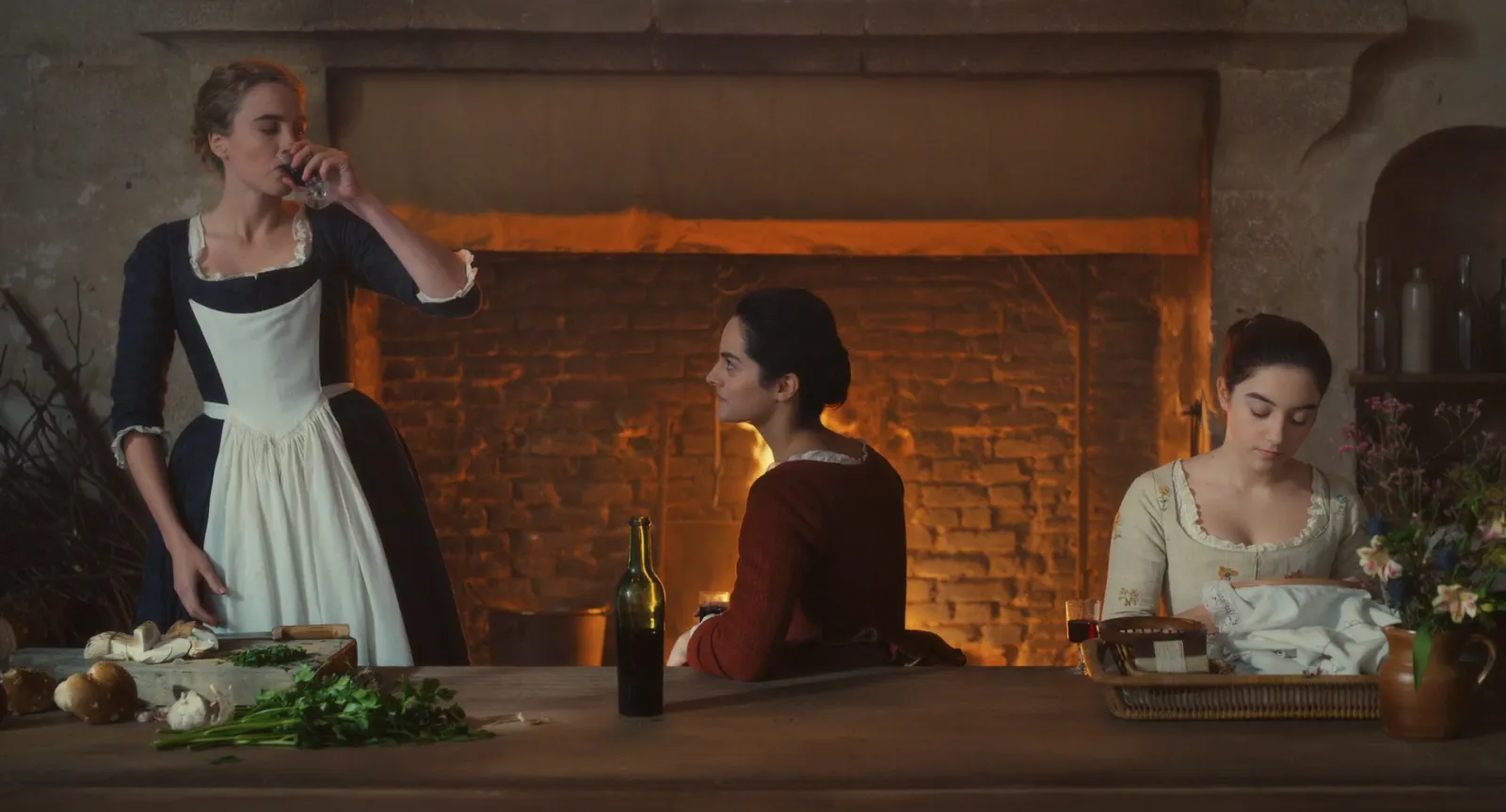
Contrast: how far does the shadow side fall?
This is the one people forget to write down, and it sets the mood more than anything else. Compare the lit side of a face with the shadow side. Plenty of detail in the shadows means a low key-to-fill ratio, around 2:1, which feels open and natural. Clearly darker but readable is roughly 4:1, where things start to feel dramatic. Near black is 8:1 or more. The DoP measures this on the day. In your library, a decent guess is fine.
Note how much of the frame goes to black overall, too. "Everything past arm's length falls off" is a note a gaffer can light to. "Moody" isn't.
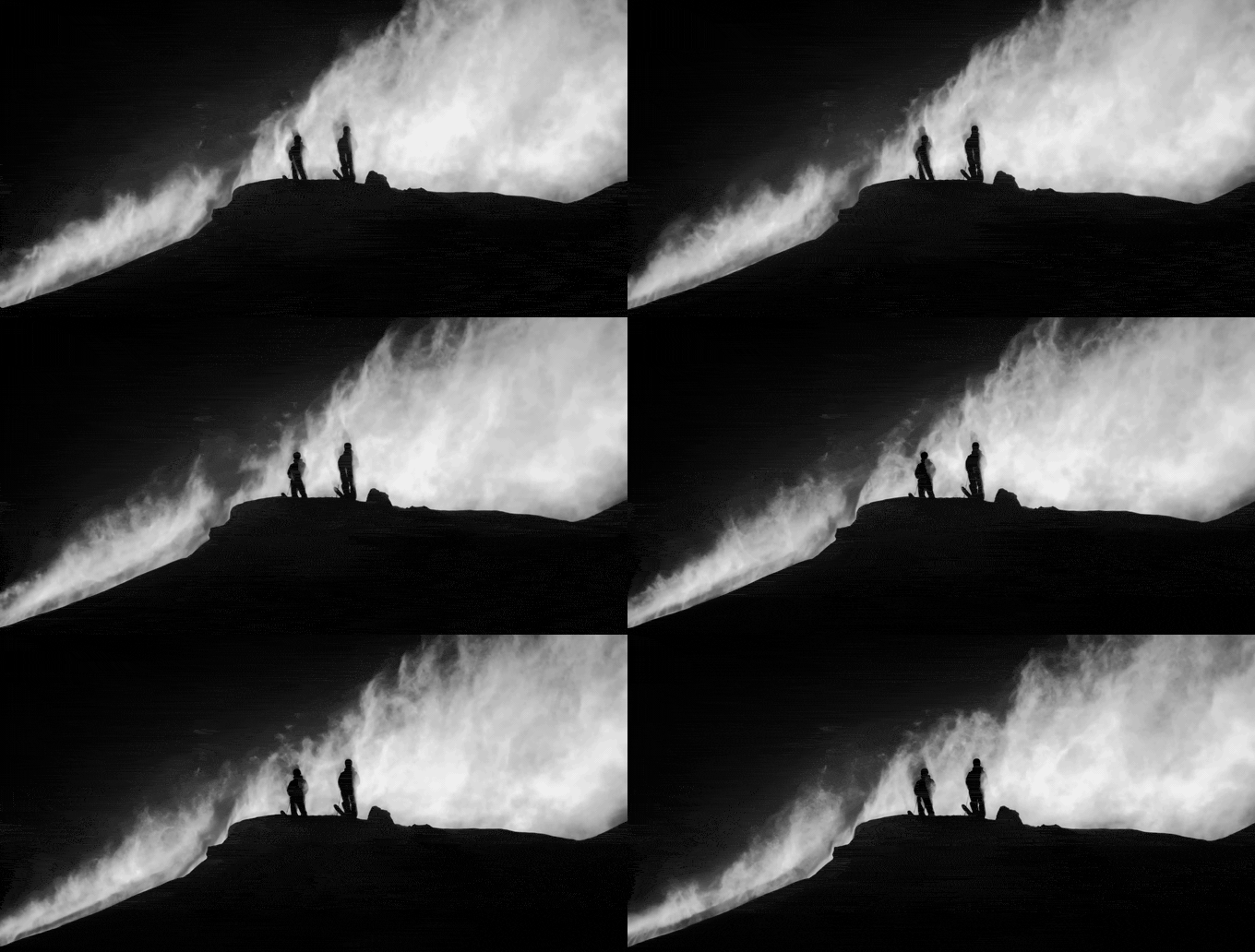
Colour: which source is which?
Tungsten sits around 3200K and reads warm orange. Daylight is around 5600K and goes blue on a camera balanced for tungsten. The frames worth saving often mix the two on purpose, like the hero frame: cold blue at the windows, warm lamps and a lit tree inside. So don't write "warm". Write which source is warm and which is cold.
Practicals: what lights are in shot?
Lamps, candles, neon, screens, festoon. The question is whether they're decoration or doing the work. On Eyes Wide Shut, Smith told American Cinematographer that the practicals on the New York street sets were usually enough on their own, and that he picked the Christmas lights from a catalogue for their quality. The whole film was pushed two stops in processing with lenses mostly around T1.3, which is how low-wattage bulbs carried scenes.
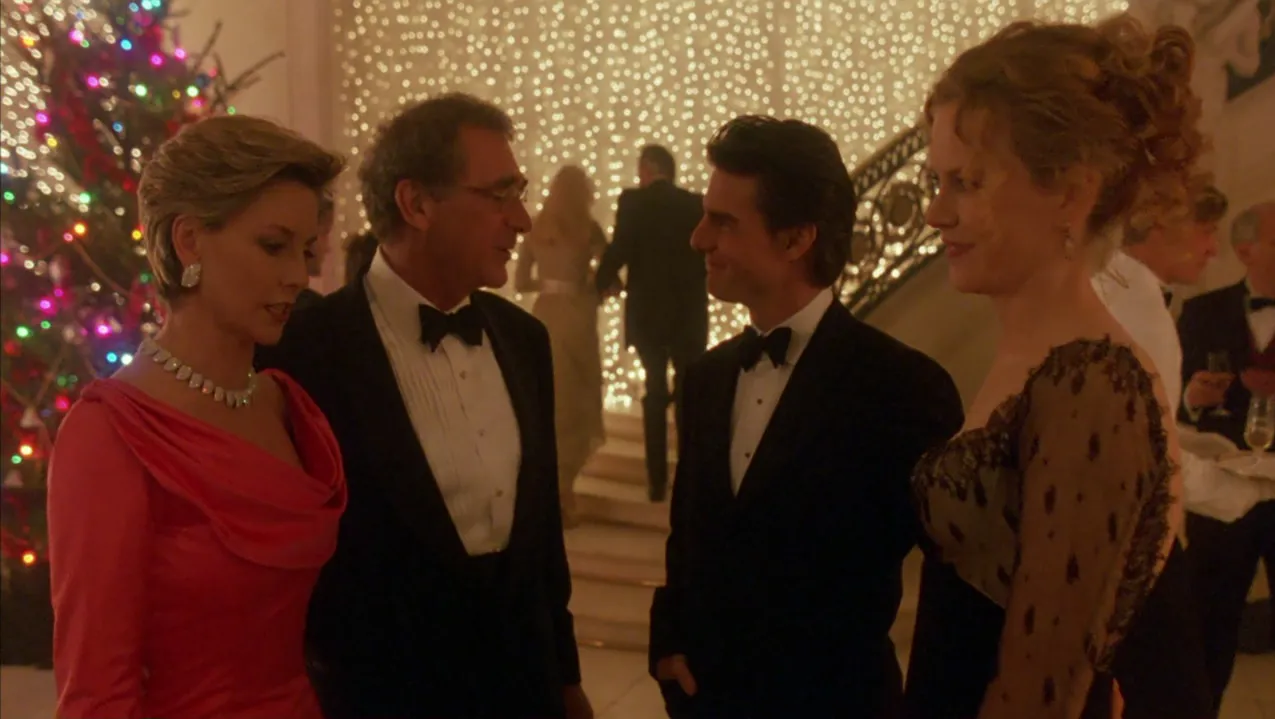
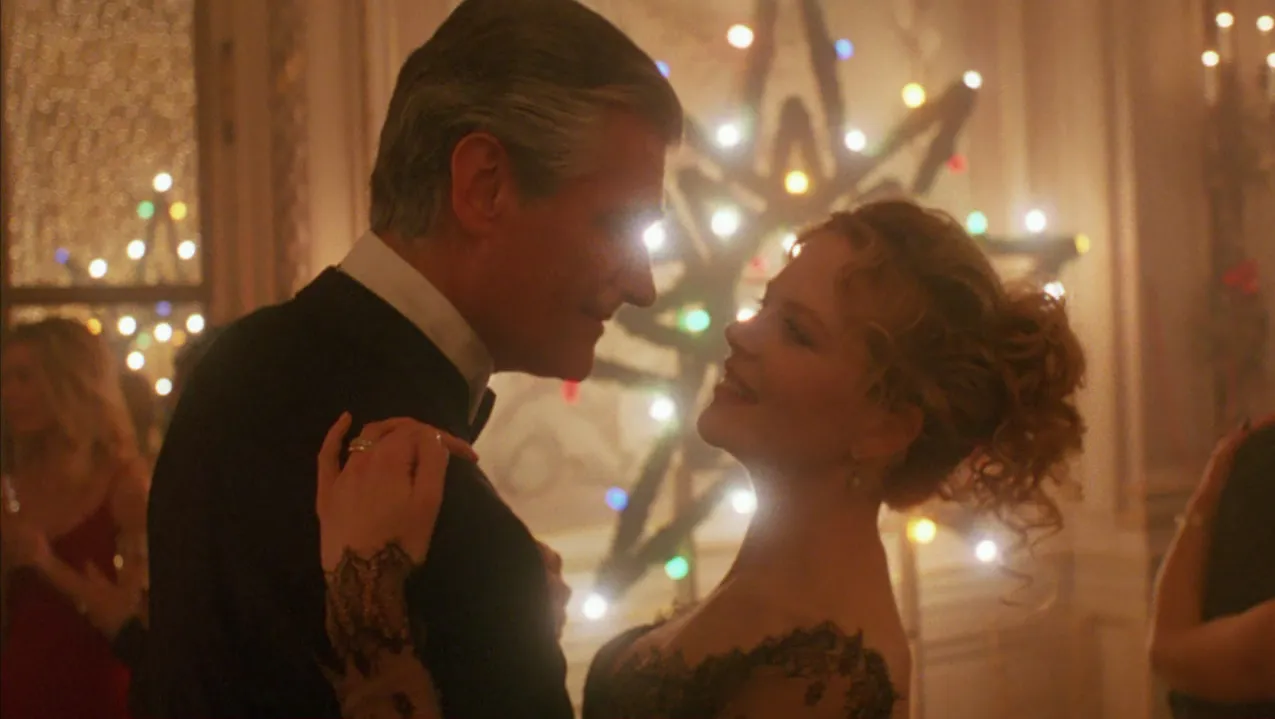
Tell your gaffer that part before you hand these over. The look came from the practicals, the lens and the processing together. Take away the last two and you'll be hiding a lot more light in the set.
Motivation: what explains it?
Motivated light has a reason to exist: a window, a lamp, a fire, an open fridge, a passing car, a sign outside. Even the wildest frames usually have one. In Ex Machina (shot by Rob Hardy), Ava's power cut drops the house into red emergency light, so the film's most extreme colour is also its most logical.
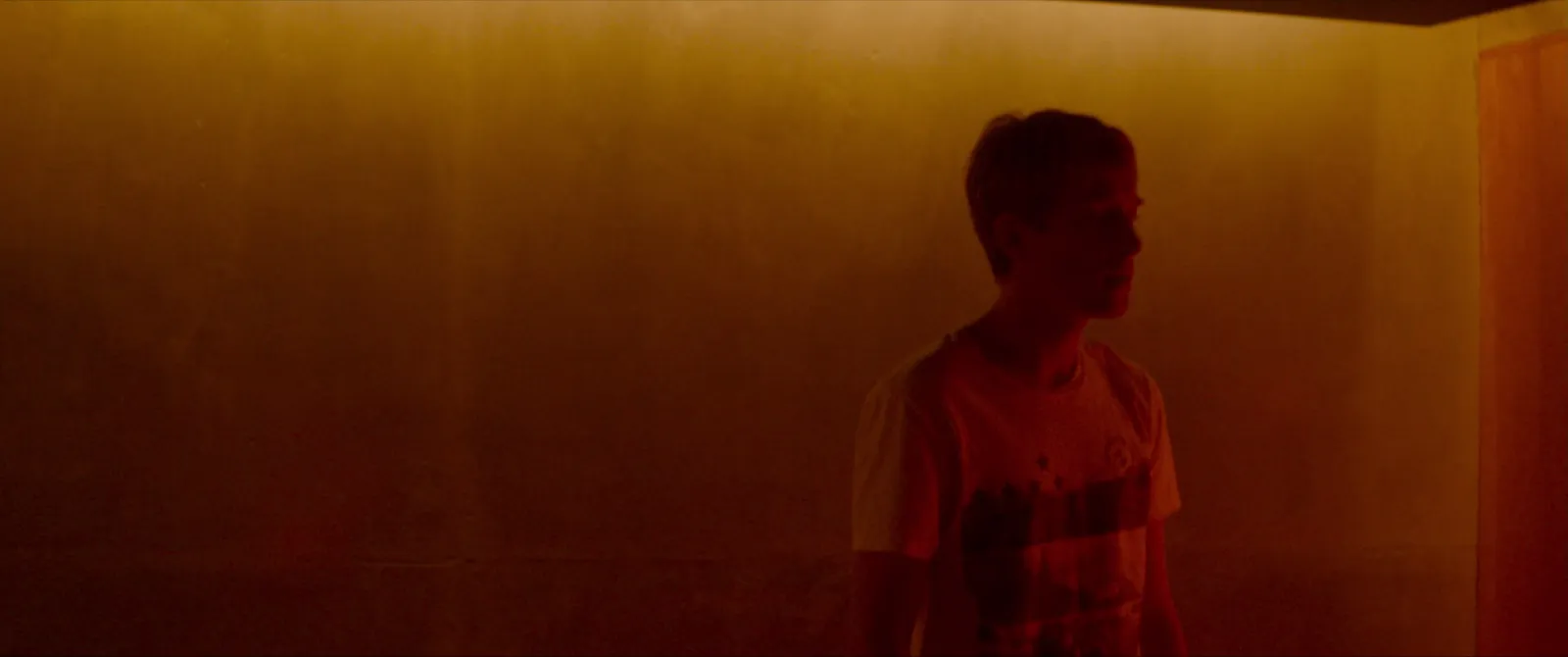
Write the motivation in a few words when you file the frame: emergency light, TV only, sodium street light through blinds. It's the first thing a gaffer asks, and it stops a stylised reference becoming lit-from-nowhere on the day.
Two "moody" frames, read properly
Both of these get called moody. They're lit nothing alike.
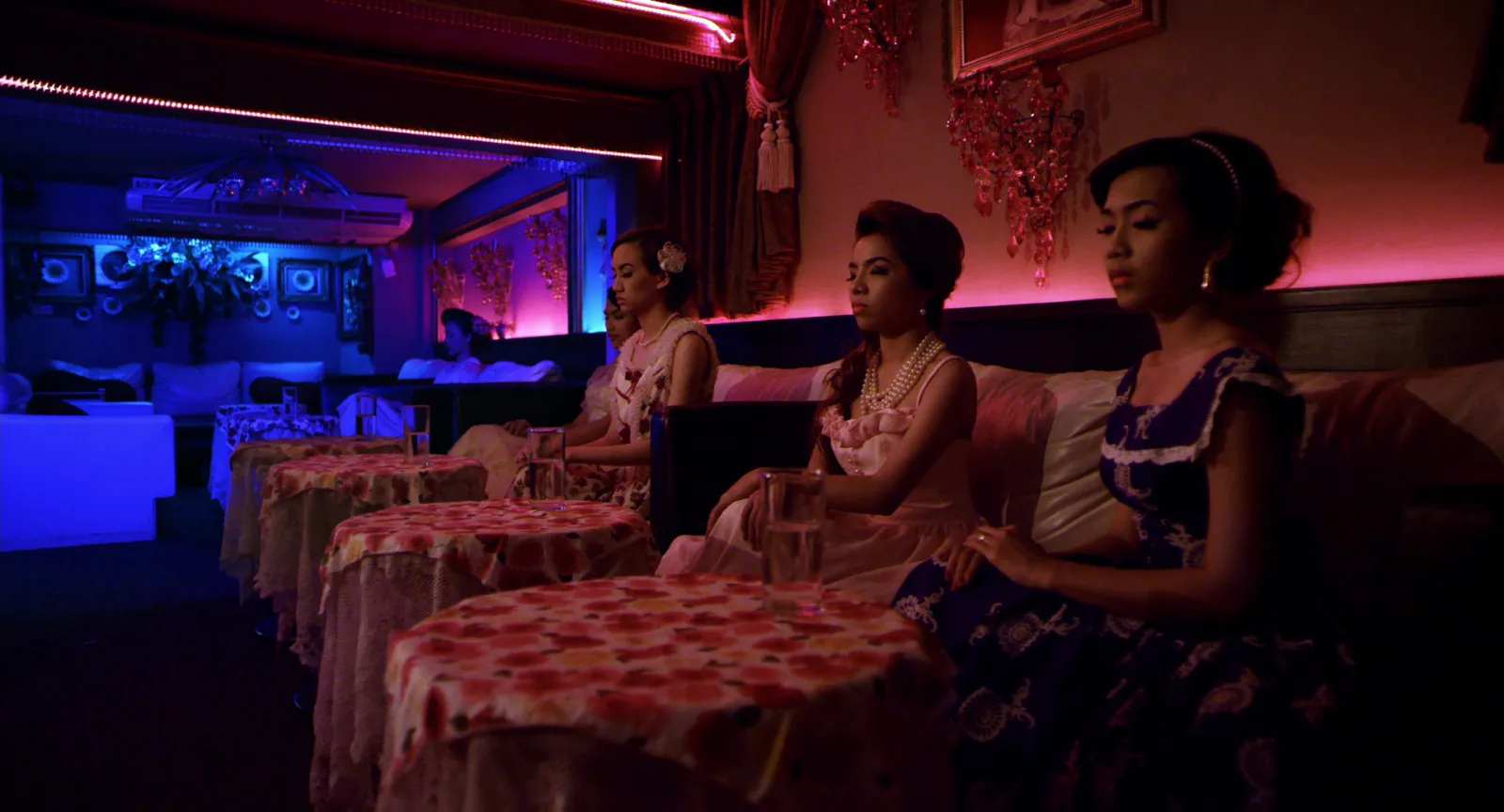
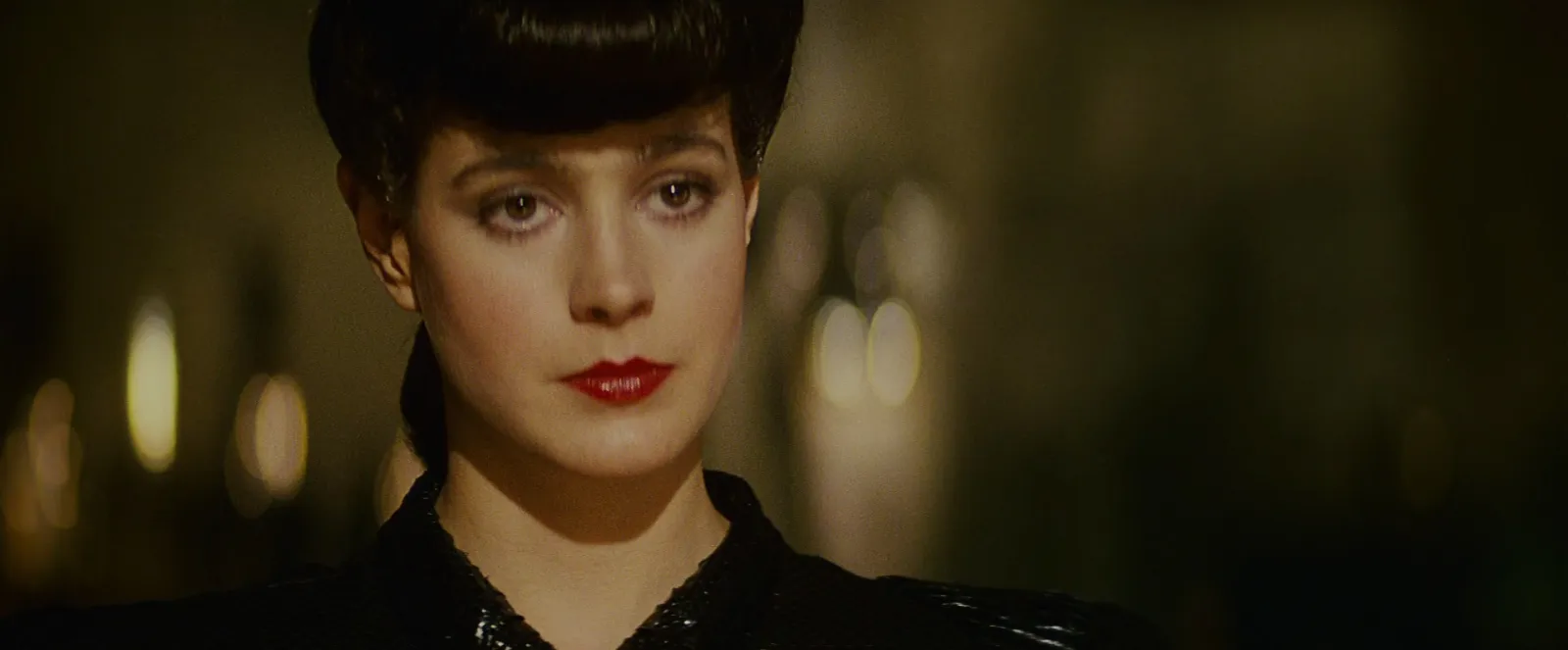
| Check | Only God Forgives (Larry Smith) | Blade Runner (Jordan Cronenweth) |
|---|---|---|
| Direction | Side light from both sides, roughly | Backlight, a little soft light on the face |
| Quality | Soft, broad neon | Backlight spread by smoke, soft front |
| Contrast | Medium, the room has detail | High, olive-brown darkness round the face |
| Colour | Blue one side, pink the other | Warm, smoky, brown-gold |
| Practicals | The neon is the lighting | Not obviously; haze carries it |
| Motivation | The bar's own neon | An unseen source behind her, through smoke |
Both looks are on the record. Refn told American Cinematographer that several Bangkok locations had no windows, so they lit with practicals. The ASC's write-up of Blade Runner describes warm soft foreground light with hard backlight and smoke behind. A frame plus the cinematographer's own account of it is the best reference you can have.
Where we find lighting references
ShotDeck is the obvious one. Its stills are tagged by lighting, time of day, interior or exterior and more, so you can search for the exact setup. It's paid: $12.95 a month or $99.95 a year as of October 2026. It also shows Rosco gel matches for some frames, through a partnership with Rosco.
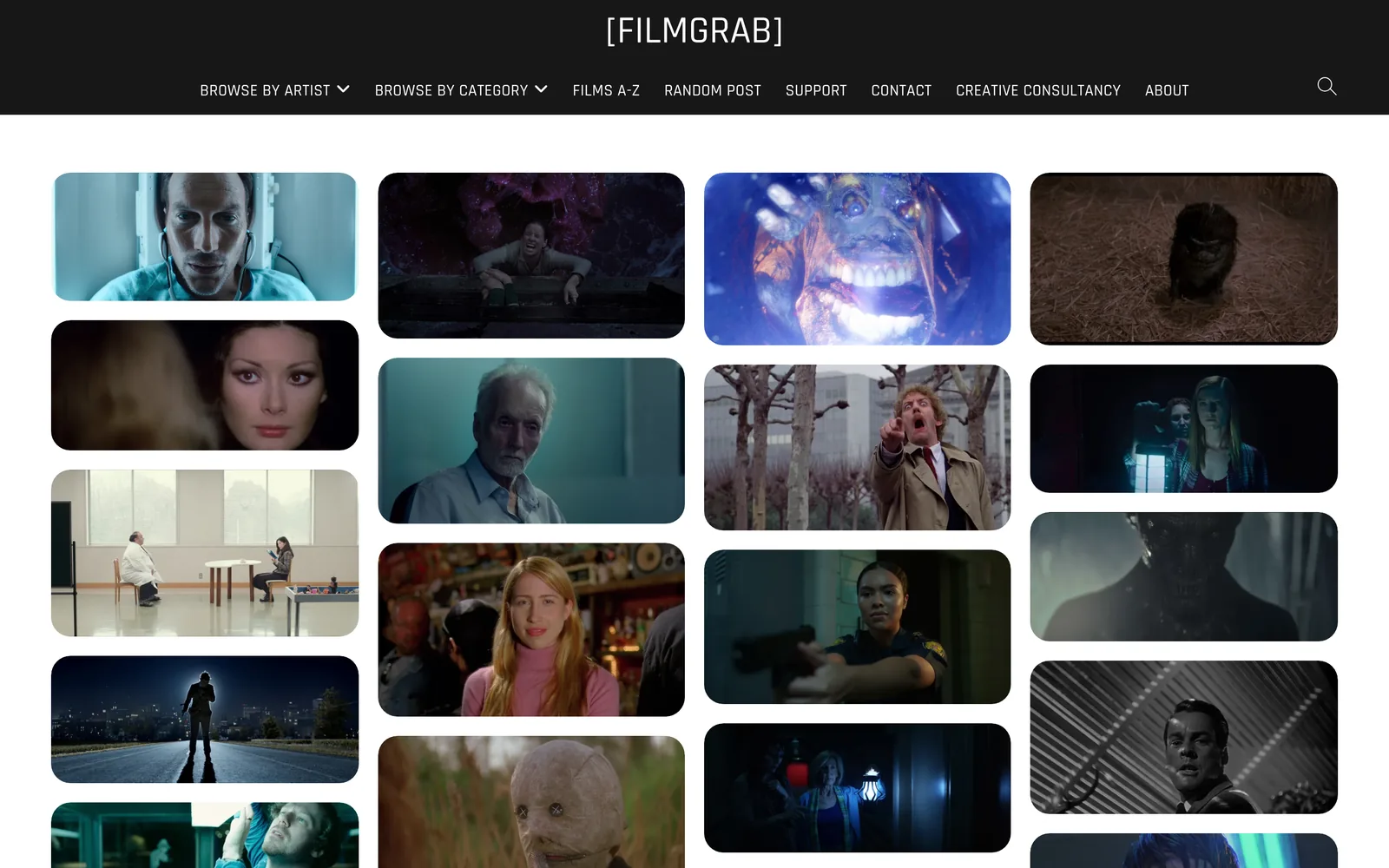
FILMGRAB is free and better for browsing a whole film than hunting one setup. Pick a film you know was lit beautifully and scroll it start to finish; you'll see how the light changes scene to scene, which a single tagged still never shows you.
American Cinematographer and the ASC website are underused. Find the frame, then find the article where the DoP explains it. Knowing Barry Lyndon's candlelit scenes needed Zeiss 50mm f/0.7 lenses originally made for NASA tells you something no still can: what that reference costs.
Painters and photographers. Vermeer and Hammershøi for window light. Gregory Crewdson for suburban dusk lit like a film set. They're often cleaner references for one idea than a film frame, because nothing else is going on.
Your phone. The launderette at 11pm. The kitchen lit by an open fridge. Real light in real places is the best motivation reference going, and it only costs you looking slightly odd on the walk home.
Instagram and Vimeo. Plenty of the best lighting work we've saved this year came from music videos and short experiments, not features. The catch is that they move, and that's the next point.
Keep the clip when the light moves
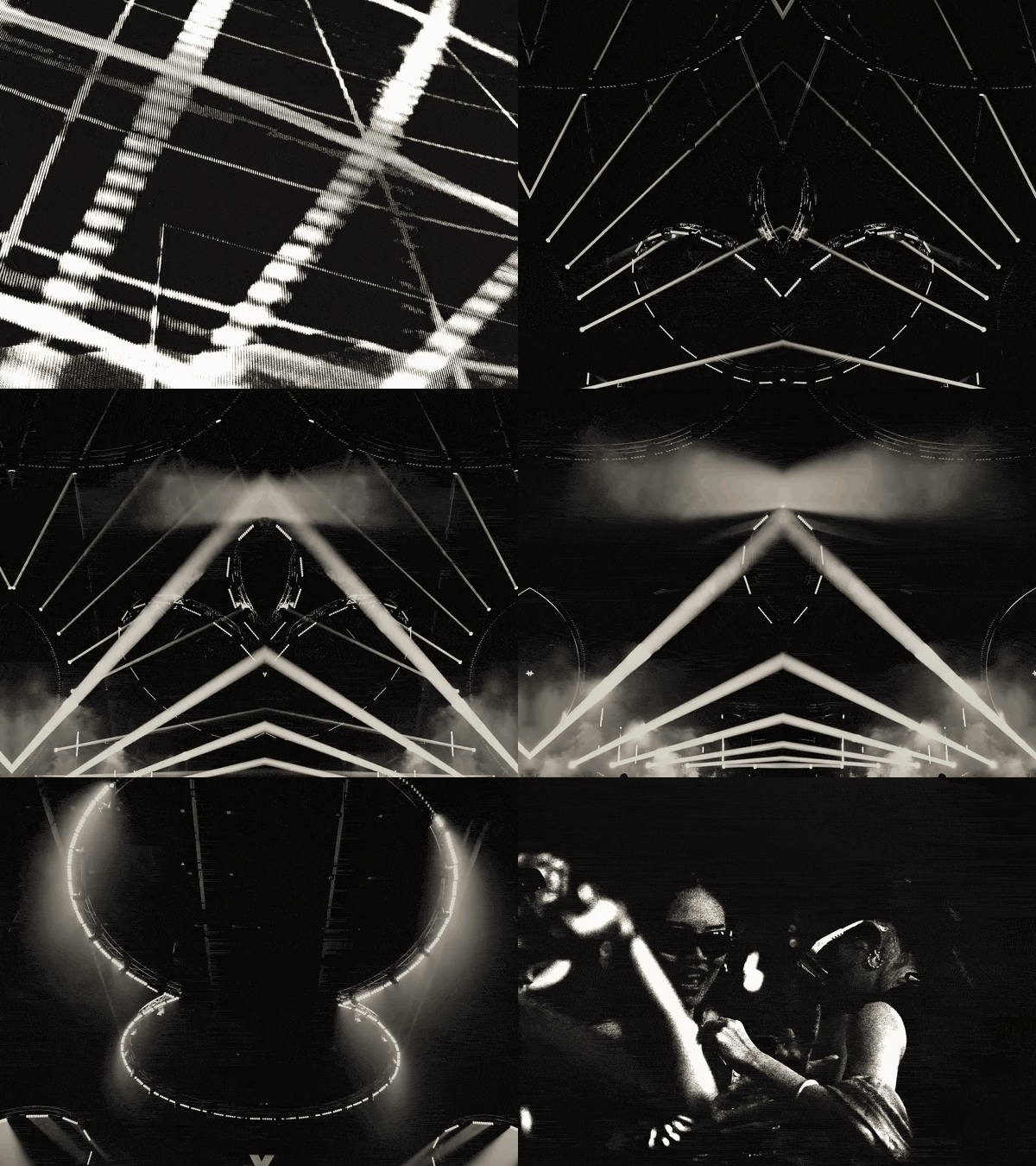
Firelight, a TV flicker, headlights sweeping a wall, neon buzzing on and off, a strobe. A still can't show any of it. A scene lit by headlights from out of frame looks like a moody still and plays like a car going past, and only the clip tells you which.
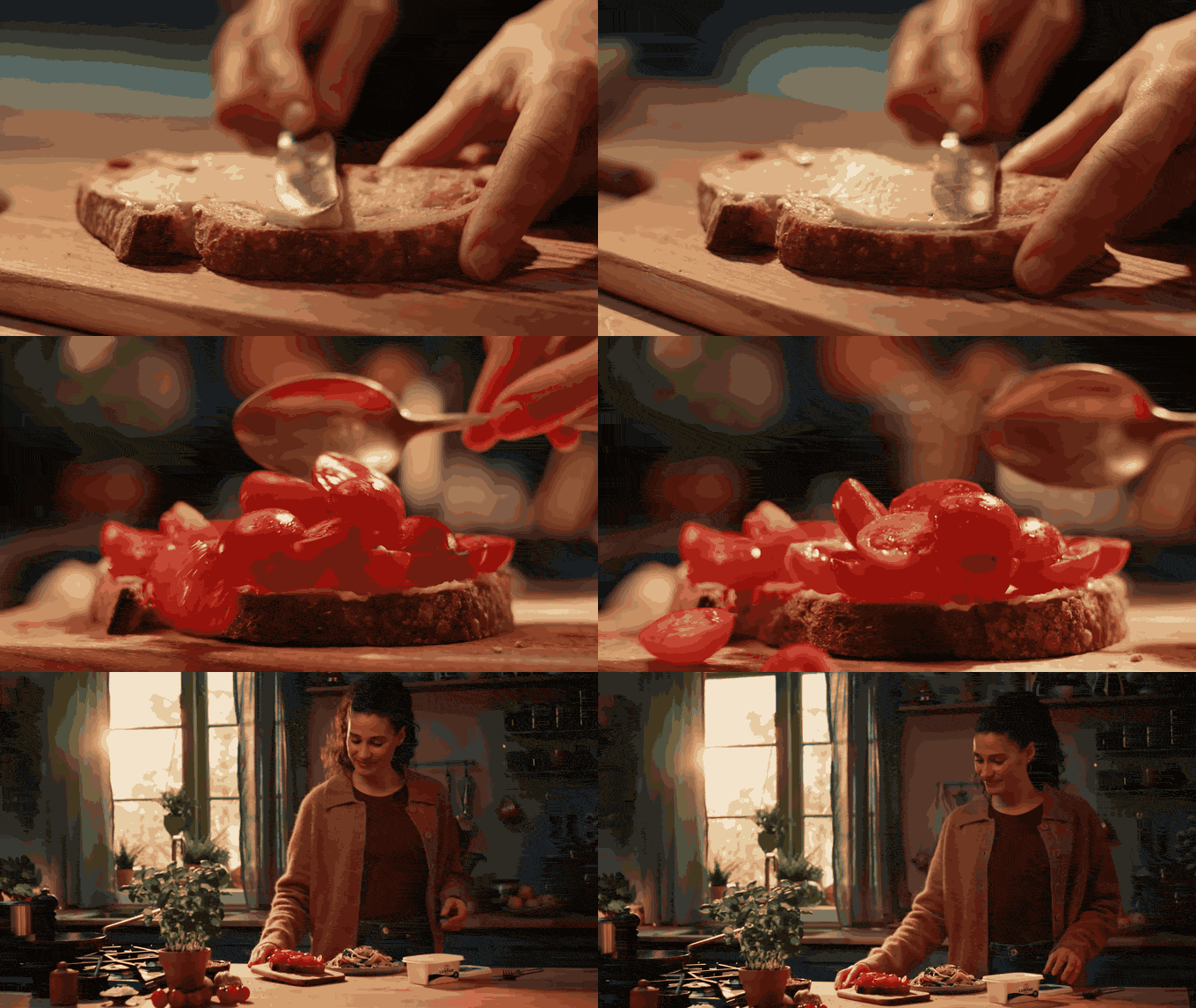
Same with food. Food Hall's Lurpak Soft spot is a lesson in warm tungsten on a macro surface, and half of what makes it work is how the highlights crawl across the bread as the knife moves. If you want that moment in a deck, cut those few seconds into a GIF in the browser rather than screenshotting it.
A tag list for lighting references
Use a fixed vocabulary or you'll end up with moody, dark, low key and lowkey all meaning the same thing. Our full method is in how to tag video references. This is the lighting part we use.
| Group | Tags |
|---|---|
| Setup | day interior, night interior, day exterior, night exterior, dusk, magic hour, overcast |
| Direction | front, three-quarter, side, backlight, top light, under light, silhouette |
| Quality | hard, soft, mixed |
| Contrast | high key, low key, falls to black, open shadows |
| Colour | warm, cool, mixed temperature, coloured light, neon |
| Source | window, practicals, candle and fire, screen, headlights, street light, moonlight, haze |
| Scale | one source, small setup, big setup |
Producers love the scale tag. A night exterior that needed a balloon light on a crane and a rain tower is a very different conversation from one lit by a shop sign.
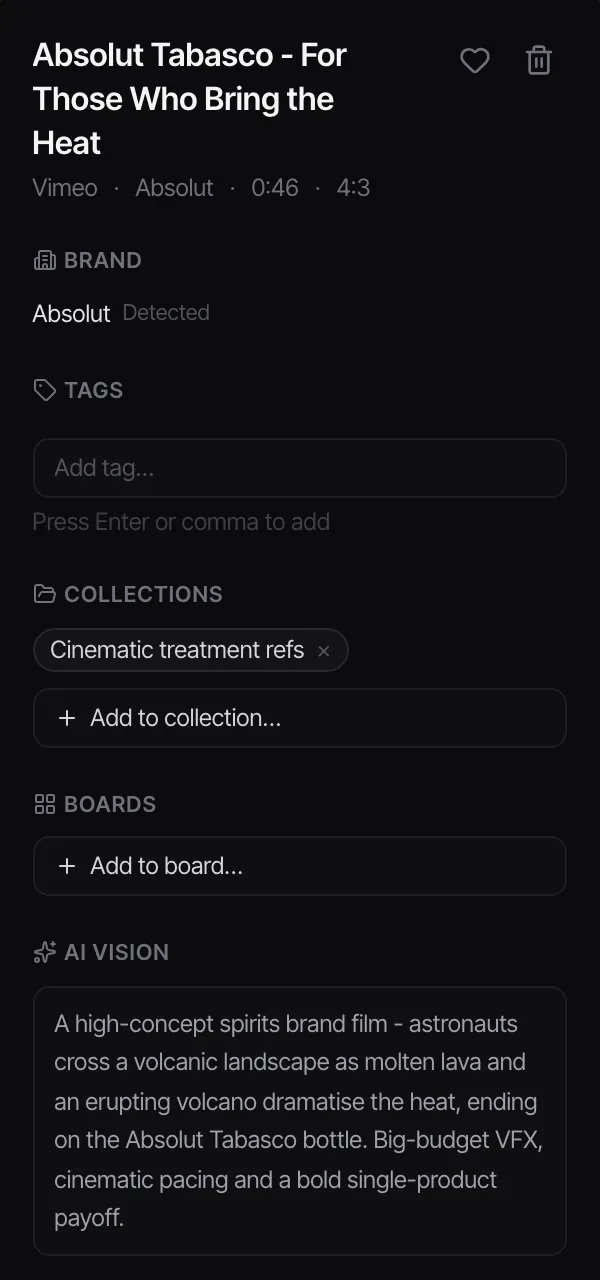
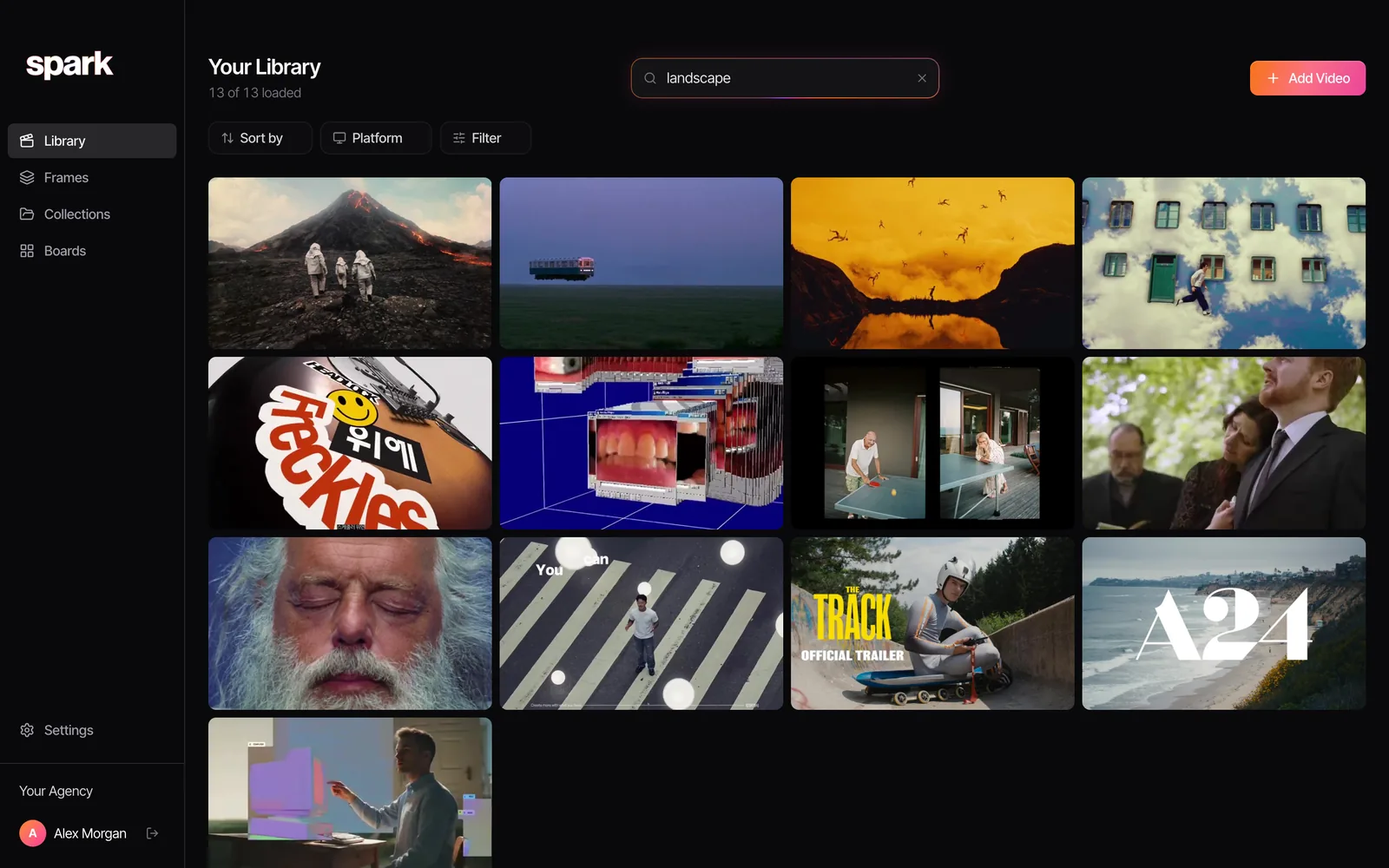
In Spark, those tags go in the Tags field on each saved reference, and you type them yourself. Spark doesn't guess them. What it does do is write its own description of every video and transcribe what's said, and every exported frame gets a five-colour palette, so a search for "blue" or "neon" finds frames by their actual colours as well as by your words.
How to brief a gaffer with references
On most shoots the director briefs the DoP and the DoP briefs the gaffer. On smaller jobs, the director or producer ends up talking to the gaffer directly at the recce. The brief works the same either way.
- One hero frame per scene. Not a wall of twelve. Torn between two? Use both and say "somewhere between these", which gives a range instead of a target.
- A sentence per check. "Key from the window, camera left. Soft. Shadow side falls to near black. Cool window, warm table lamp. Practical in shot, must be dimmable. Late afternoon in winter."
- What's fixed and what isn't. If the warm and cold split matters and the exact direction doesn't, say so. Gaffers solve problems faster when they know what's non-negotiable.
- The practicals list, early. Any lamp in shot is an art department prop and a lighting unit at once. Agree who buys it, what bulb goes in it and whether it needs a dimmer before shoot week.
- Time of day. A sunlit window reference is a reference for 3pm. If the schedule puts that scene at 9am on the wrong side of the building, it's now a lighting job.
- A "not this" frame. One frame of what you don't want is often clearer than three of what you do.
Put the light note in the same row as the shot. Our guide to creating a shot list from video references has a template with a column for exactly that.
If the colour of the practicals is part of the look (neon, coloured bulbs, a sign), pull the real colours out of the reference so the art department and the gaffer are matching the same thing. The palette extractor on this site takes a still or a video frame and gives you HEX values and a palette card, all in your browser.
Keep it alive between jobs
After every shoot, add the frames you got on the day and a line on what it took. "Two tubes and a lot of haze." "Sun did it all, we got lucky." Within a year that's a record of what your own team can light, and it beats any stills site. Light and grade overlap but aren't the same thing (a grade can't put back light that wasn't there), so we keep a separate set for that, covered in finding and saving colour grading references. Light is one facet; the rest of the tag list and the capture habit.
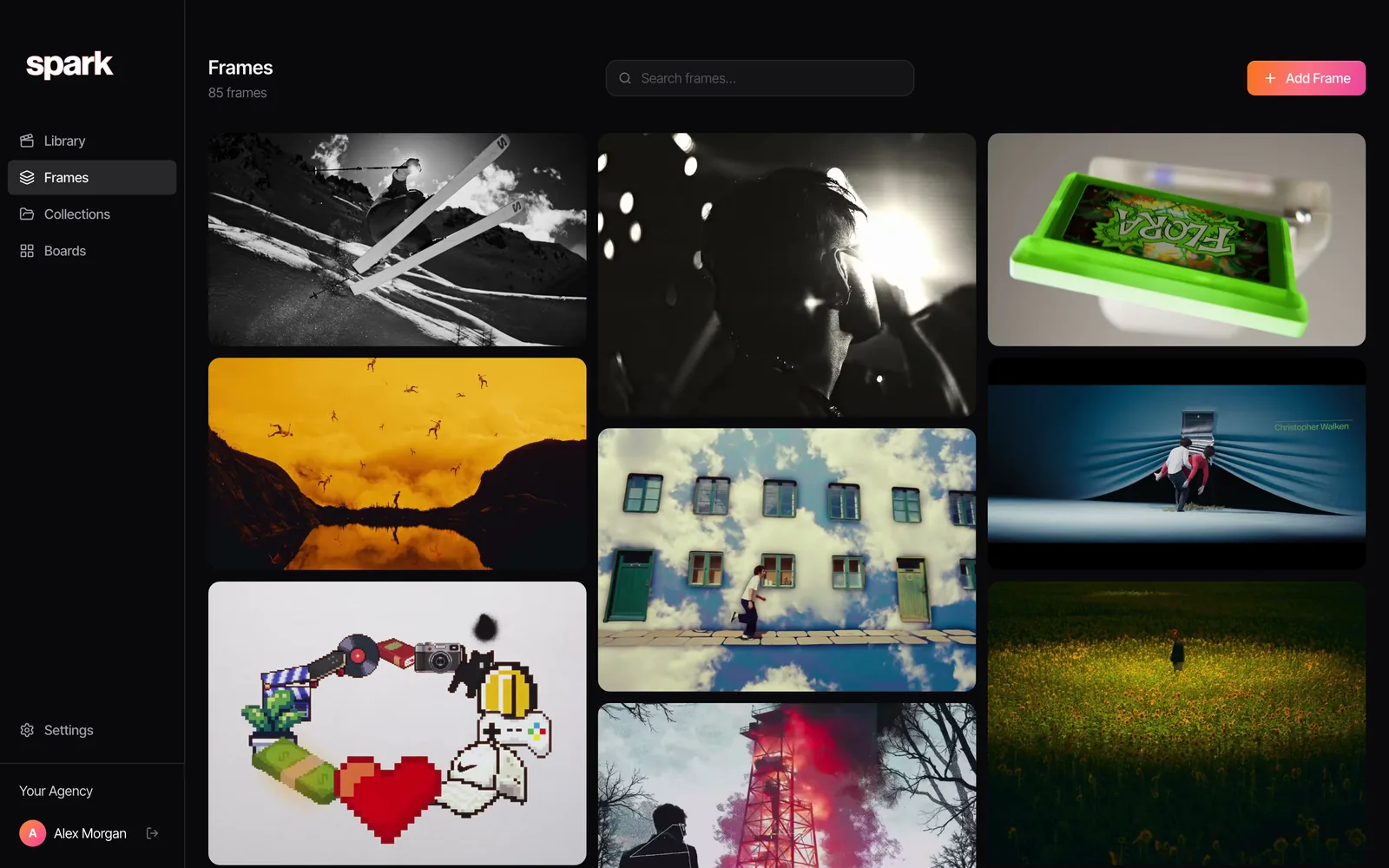
Most lighting references die as screenshots on a desktop called LIGHT REFS FINAL. Ours live in Spark, where the clip and the frame stay together and "candlelight, falls to black" pulls up the right one on the morning of the recce.
FAQs
What is a lighting reference?
A frame or clip that shows the light you want for a scene: where it comes from, how hard it is, how dark the shadows go and what colour it is. Film stills, photographs and paintings all work, and the useful ones come with a short note on what to take from the image.
How do you describe lighting in a film still?
Work through direction, quality, contrast, colour temperature, practicals and motivation. For example: "Three-quarter key from a window camera left, soft, shadow side near black, cool daylight against a warm practical lamp in shot, motivated by a winter afternoon." That's a note a gaffer can light from.
What key-to-fill ratio gives a moody look?
Roughly, 2:1 looks open and natural, around 4:1 starts to feel dramatic, and 8:1 or more lets the shadow side fall to near black. They're rules of thumb. The DoP measures on the day, and your reference just shows which end of the scale you mean.
Where can I find lighting references for cinematography?
ShotDeck lets you search stills by lighting and time of day ($12.95 a month as of October 2026), and FILMGRAB is free for browsing whole films. American Cinematographer articles explain how famous frames were lit. Vermeer and Hammershøi are excellent for window light, and your own phone photos are the best references for motivated light.
How do I brief a gaffer?
Give one hero frame per scene with a sentence on direction, quality, contrast, colour, practicals and motivation. Say what's fixed and what's flexible, list the practicals in shot, and add the time of day from the schedule. The brief usually goes through the DoP, but on small shoots it's often done directly at the recce.
Should I save stills or video clips as lighting references?
Both. A still is enough for a fixed setup. Save the clip when the light moves: firelight, flicker, headlights, strobes or a sun that changes during the shot. A three second GIF of the moment is often the clearest thing to put in the deck.
Keep reading
All articles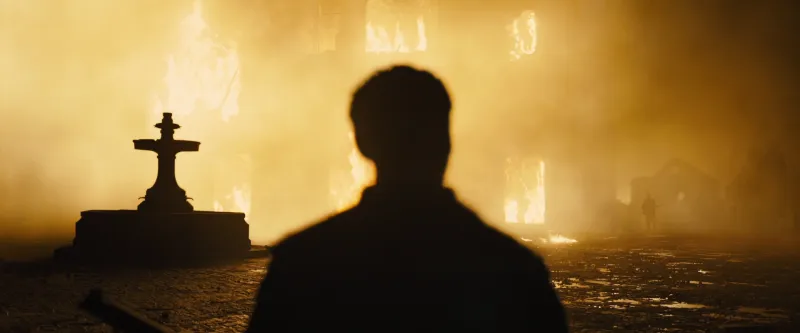
Best Websites for Commercial Film Inspiration in 2026
Every site on this list was checked in October 2026. Some are free, some cost real money, and a couple are only worth it if you know exactly what you're hunting for.
Best Websites for Motion Design Inspiration in 2026
Motion design lists go stale fast. We opened every site on this one in October 2026, and found that one of the most famous places to watch short films no longer opens in the UK at all.
How to Find Examples of Match Cuts and Creative Transitions
The bone and the spacecraft, the match and the sunrise, the scream and the train whistle. The great match cuts by type, who cut them, and how to build your own collection.