
How to Find Examples of Match Cuts and Creative Transitions
The bone and the spacecraft, the match and the sunrise, the scream and the train whistle. The great match cuts by type, who cut them, and how to build your own collection.
By the Spark team ·
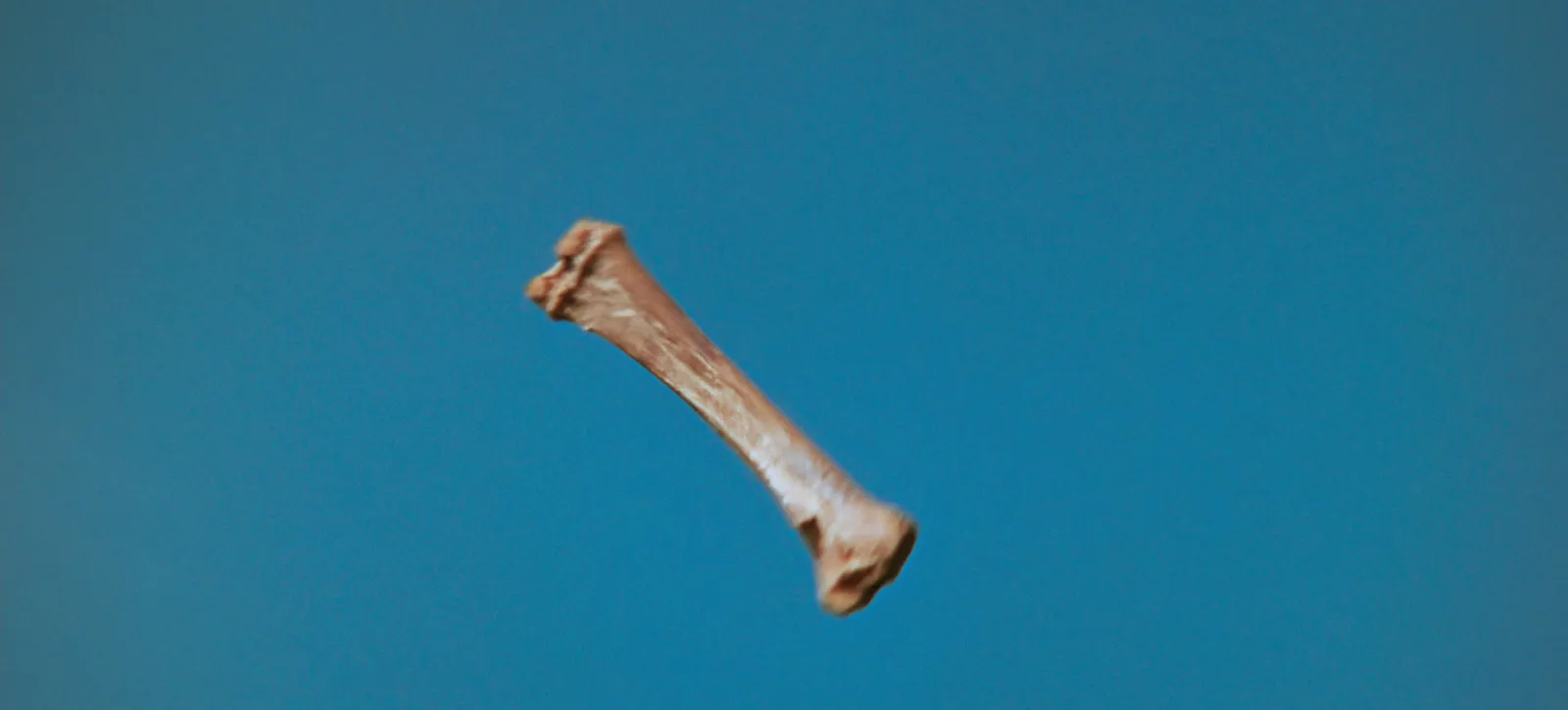
The match cut everyone names first is in 2001: A Space Odyssey (1968). An ape-man throws a bone into the air, it spins, and the film cuts to a spacecraft of almost the same shape drifting above the Earth. Millions of years, gone in one frame. Ray Lovejoy cut it for Stanley Kubrick. The other textbook match cut examples: the match blown out into a desert sunrise in Lawrence of Arabia (Anne V. Coates), Benjamin flopping from a pool raft onto Mrs Robinson in The Graduate (Sam O'Steen), and a scream that turns into a train whistle in The 39 Steps (Derek N. Twist).
They work for different reasons, so we sort them by what's doing the matching: shape, movement, sound or idea. Below are the classics in each group, what makes them land, and how we keep a collection of our own that we can pull from when an edit needs a way out of one scene and into the next.
The bone and the spacecraft
Start with the one everyone quotes, because it does nearly everything at once.
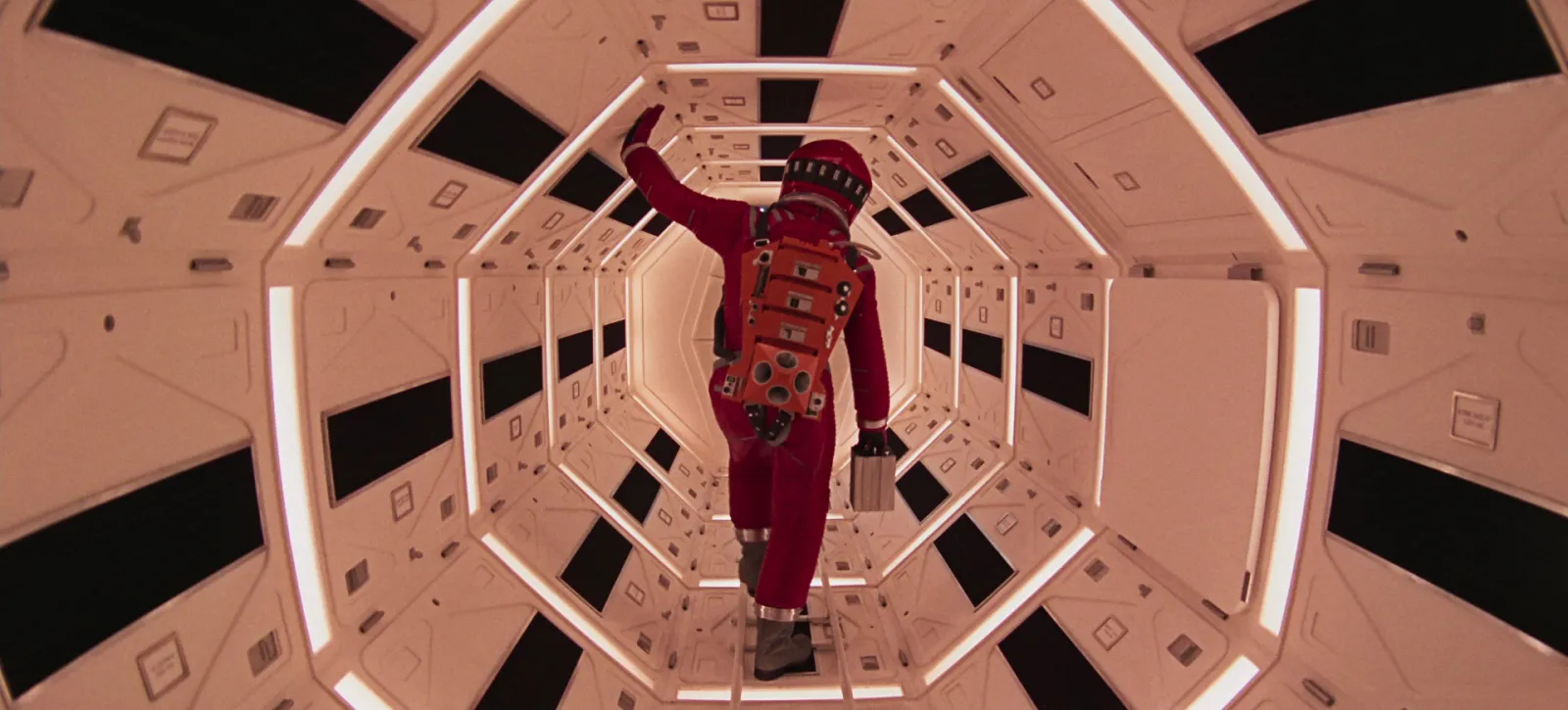
The Dawn of Man sequence ends with the ape-man, who has just worked out that a bone is a weapon, flinging it skywards. Kubrick shows it turning in slow motion against flat blue sky (the frame at the top of this page). As it starts to fall, the cut lands on a long white spacecraft gliding over the curve of the Earth.
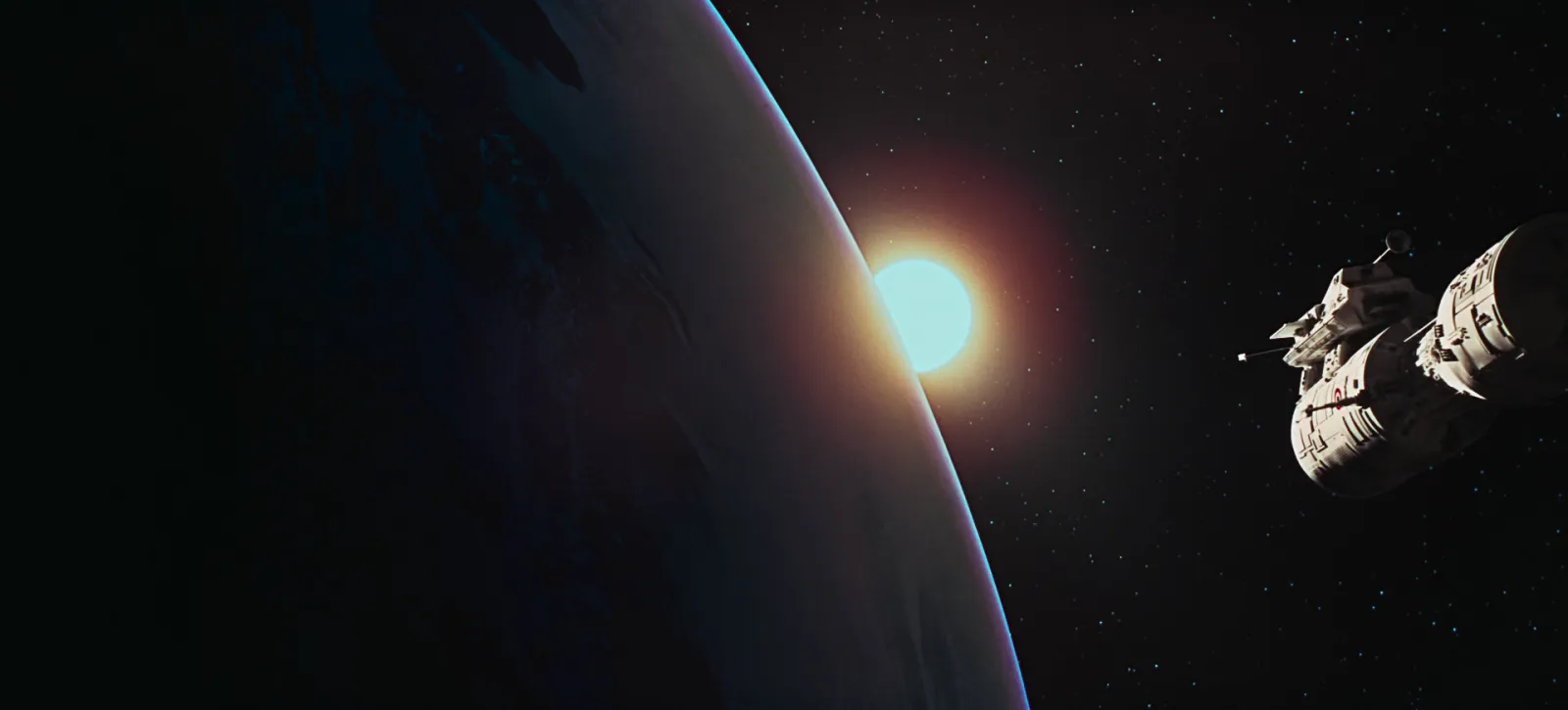
What's matching:
- Shape. A long, pale object against a plain background.
- Position. Roughly the same place in frame on both sides, so your eye doesn't move.
- Movement. Both objects are already moving when the cut lands, so the motion carries over.
- Idea. Tool to tool. Arthur C. Clarke's novel makes the orbiting craft nuclear weapons, and Kubrick reportedly had weapon platforms designed before deciding not to spell it out. The film never says. The idea is there in the cut anyway.
It's also an ellipsis on a ridiculous scale. The cut skips all of human history and trusts you to fill it in, which is the real reason it's famous. A match cut gives the audience a reason to accept a jump that would otherwise feel like a mistake.
The four types of match cut
Most lists lump them together. Sorting by what's doing the matching is more useful, because it tells you what you need to shoot.
Graphic matches: shape, colour, position
Two shots linked because they look alike. A circle becomes a circle, a bright shape lands in the same spot. The 2001 cut is one.
Lawrence of Arabia (1962), edited by Anne V. Coates. Lawrence blows out a match and the film cuts straight to the desert horizon at sunrise. The script asked for a dissolve. Coates cut it straight and later credited the French New Wave for the nerve; other accounts say it was found while she and David Lean were assembling the rough cut. Either way, the tiny flame and the enormous sun rhyme in colour and shape, and the hard cut gives it a jolt no dissolve could. (David Bordwell argues it's more precisely a graphic match than a match cut, which is exactly the kind of argument film critics enjoy.)
Sixty years on, John Wick: Chapter 4 (2023) did it again on purpose. Editor Nathan Orloff has said he matched the exact number of frames between the flame going out and the cut to the sunrise. For an editor that's the most useful fact on this page. A famous cut is a timing as much as a picture.
Psycho (1960), edited by George Tomasini. After the shower scene, water spirals down the plughole and dissolves into an extreme close-up of Marion's eye. Strictly a match dissolve, but it belongs here: two round shapes, two spirals, a dead stare where the drain was.
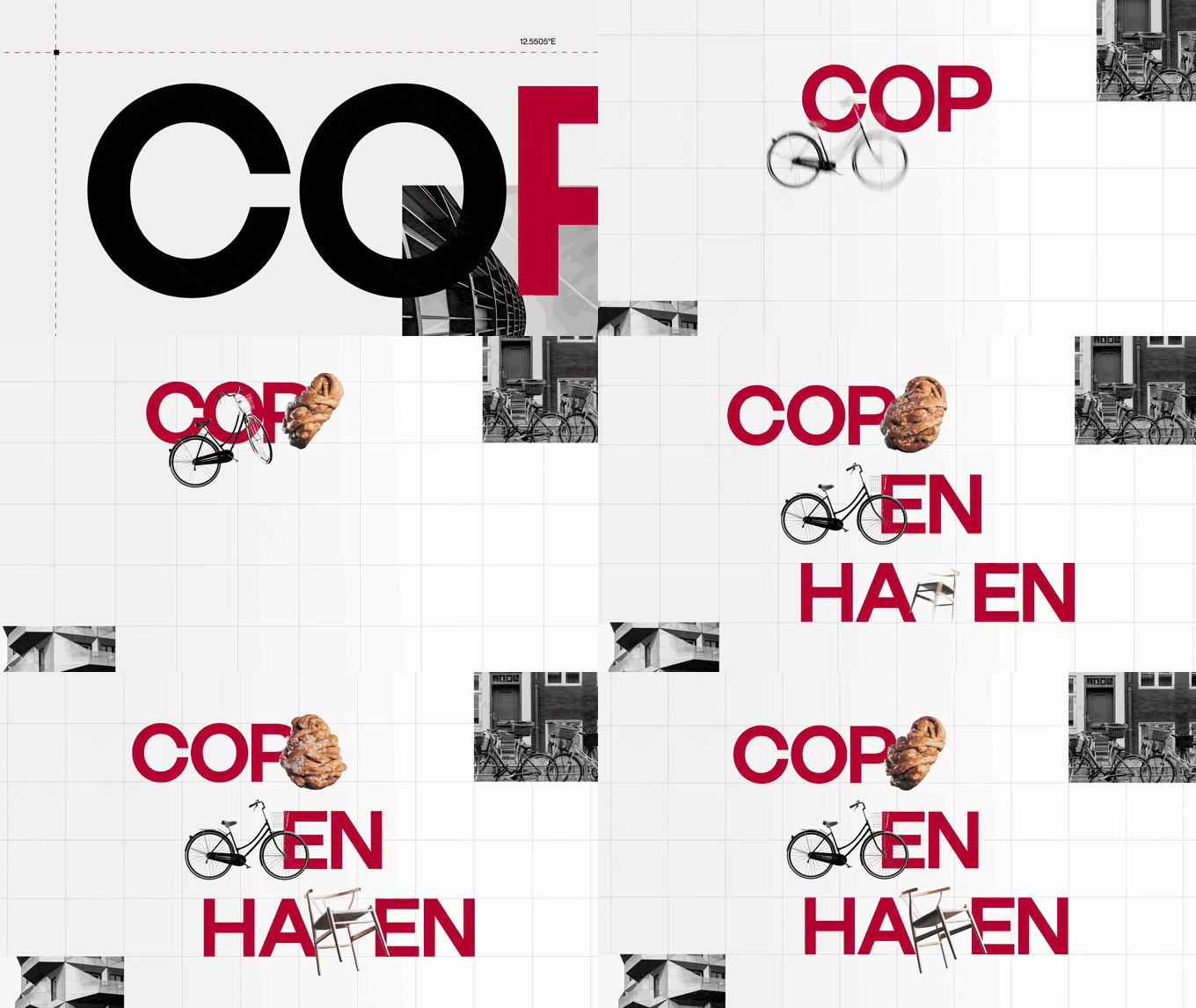
Motion designers do graphic matches all day long, they just don't call them that. A shape becomes a letter, an object takes a letter's place, and the eye goes along with it because nothing in the frame has jumped.
Action matches: movement carried across the cut
The movement carries on across the cut while everything else changes. It's the same technique as cutting on action in a dialogue scene, used to jump time or place instead.
The Graduate (1967), edited by Sam O'Steen. Benjamin pushes himself up onto a raft in his parents' pool and, on the cut, lands on Mrs Robinson in a hotel bed. One movement, two places, and his whole aimless summer in a single motion.
North by Northwest (1959), George Tomasini again. Cary Grant hauls Eva Marie Saint up the face of Mount Rushmore, and the cut continues the pull as he lifts her into the upper bunk on a train. It skips the proposal and the wedding, and nobody minds.
Commercials love this, because they have thirty seconds and no plot to carry you. Oscar Hudson's Bounce for Apple is one long exercise in it: a man bounces, and the bounce keeps going while the city around him changes.
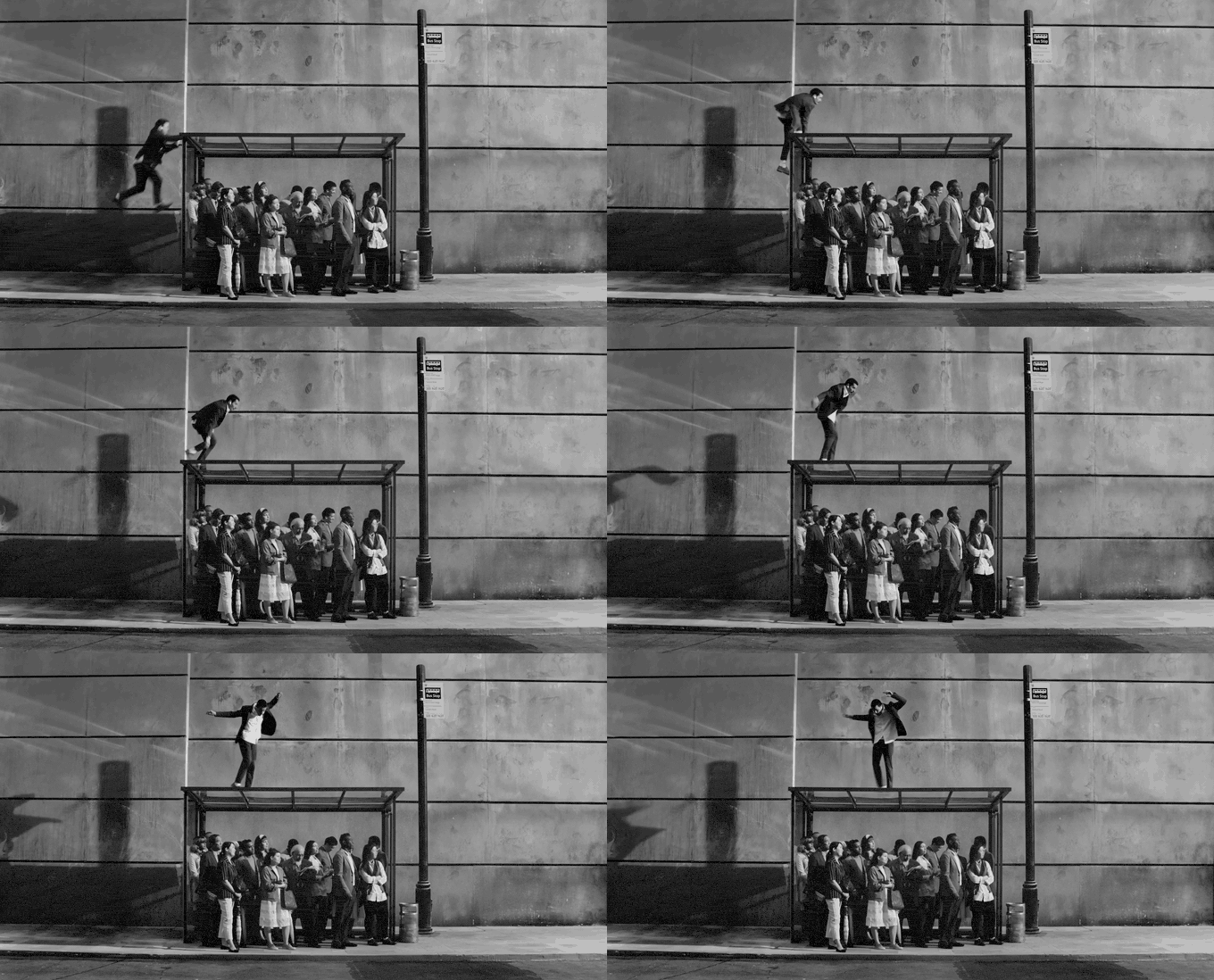
Modern comedy does it at speed. Tony Zhou's Every Frame a Painting essay on Edgar Wright lists matching scene transitions as one of Wright's signature moves, and it's required viewing if you cut comedy.
Sound matches: one sound becomes another
The picture can change completely as long as the sound connects.
The 39 Steps (1935), edited by Derek N. Twist. A woman finds a body and screams, and the scream becomes a train whistle as Hannay escapes north. The jump in place plays as one continuous jolt.
Citizen Kane (1941), edited by Robert Wise. Thatcher wishes the young Kane "Merry Christmas" and the film cuts forward about seventeen years for him to finish the line, "and a Happy New Year", to the adult Kane. Welles called this a lightning mix: the sound carries over while time leaps.
Apocalypse Now (1979). The ceiling fan above Willard's bed in Saigon, and the helicopter blades of the war in his head. Walter Murch was the film's sound designer and one of its picture editors, and the opening blends the two sounds (and images) so you can't tell where the room ends and the memory starts. It's a superimposition rather than a clean cut, but nothing shows sound doing the matching better.
Idea matches: the cut makes an argument
The two shots don't have to look alike. The cut puts them side by side and you draw the conclusion.
Strike (1925), Sergei Eisenstein. Striking workers being massacred, intercut with a bull being slaughtered. Nothing matches visually. The meaning comes from the collision. Eisenstein called it intellectual montage, and every ad that cuts from a product to a metaphor is its distant grandchild.
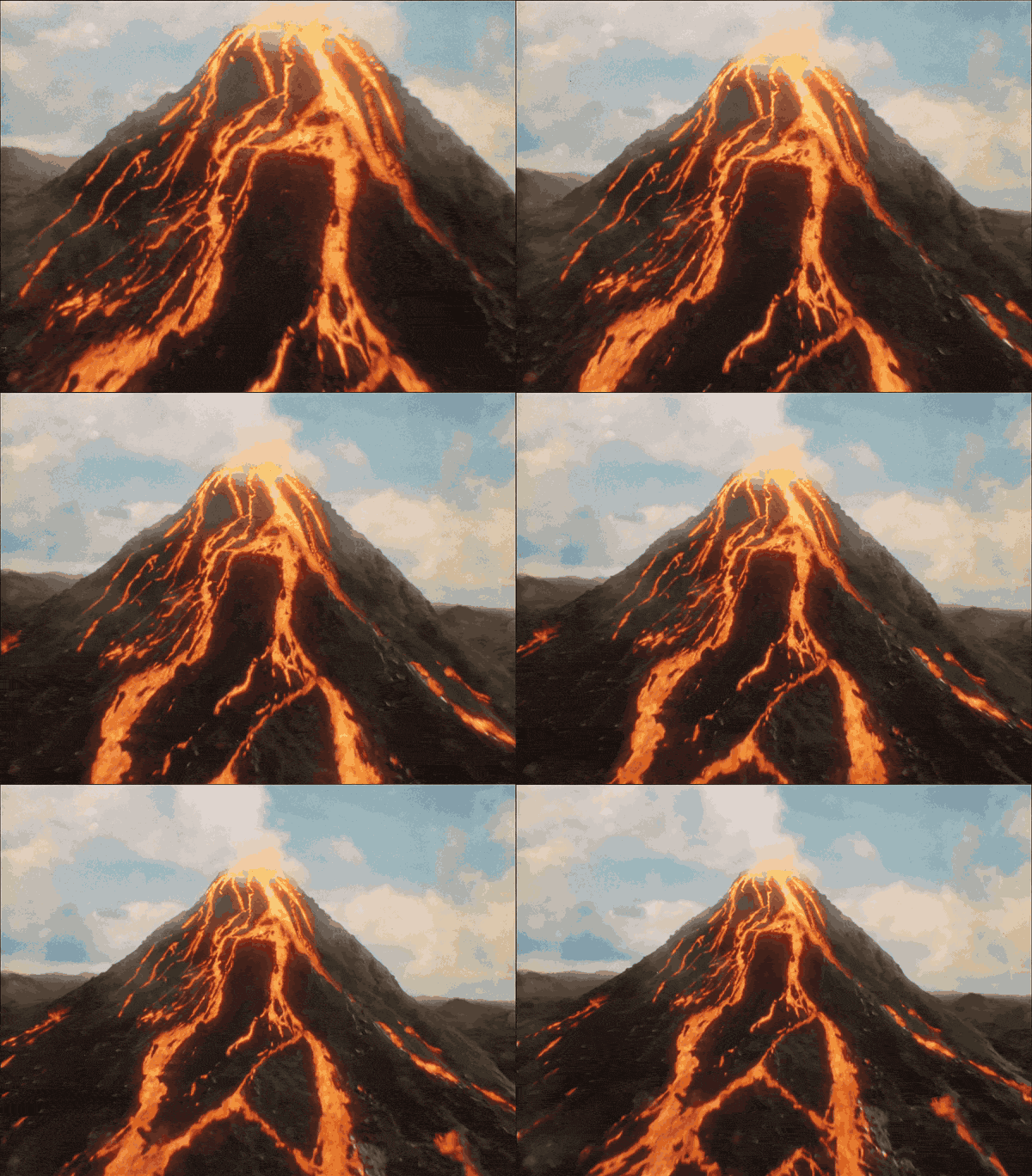
2001 belongs here too, which is part of why people remember it. The best match cuts work on two levels: your eye accepts the shape, then your brain gets the joke.
Where to find more match cut examples
Stills sites mostly won't help. A match cut lives between two frames, and stills libraries are built one frame at a time. You need clips.
- Video essays. Every Frame a Painting (Tony Zhou and Taylor Ramos) is still on YouTube and still the best grounding. Search YouTube and Vimeo for "match cut supercut" too, but check the film and year of every example. Supercuts get things wrong.
- Music videos and commercials. This is where transitions get pushed hardest, because there's no story to carry you between shots. Director and editor reels on Vimeo are full of them.
- Short-form. Transition edits on TikTok and Instagram (outfit changes behind a hand over the lens, a jump that lands in another city) are match cuts and wipes made on a phone. Plenty are gimmicks. Some are brilliant, and those are worth keeping.
- Editors on their own cuts. CineMontage, the Motion Picture Editors Guild's magazine, and American Cinema Editors interviews often walk through how a specific transition was built. The Orloff interviews on John Wick 4 are a good example.
- Your own watching. When a cut makes you sit up, write down the film and the timecode then and there. You won't find it again from memory. We've all tried.

How we save match cuts so they're usable
A link to a two hour film isn't a match cut reference. This is what we do instead.
- Save the clip with handles. A few seconds either side. The cut only makes sense with the movement leading into it.
- Note the timecode of the cut. "Cut at 42:10, on the pull" saves the next person ten minutes of scrubbing.
- Tag by type and by what's matching. graphic match, action match, sound match, idea match, plus the link: circle, flame, pull up, scream, whip pan. Then what it skips: time jump, place jump. Our guide to tagging video references has a vocabulary to build on.
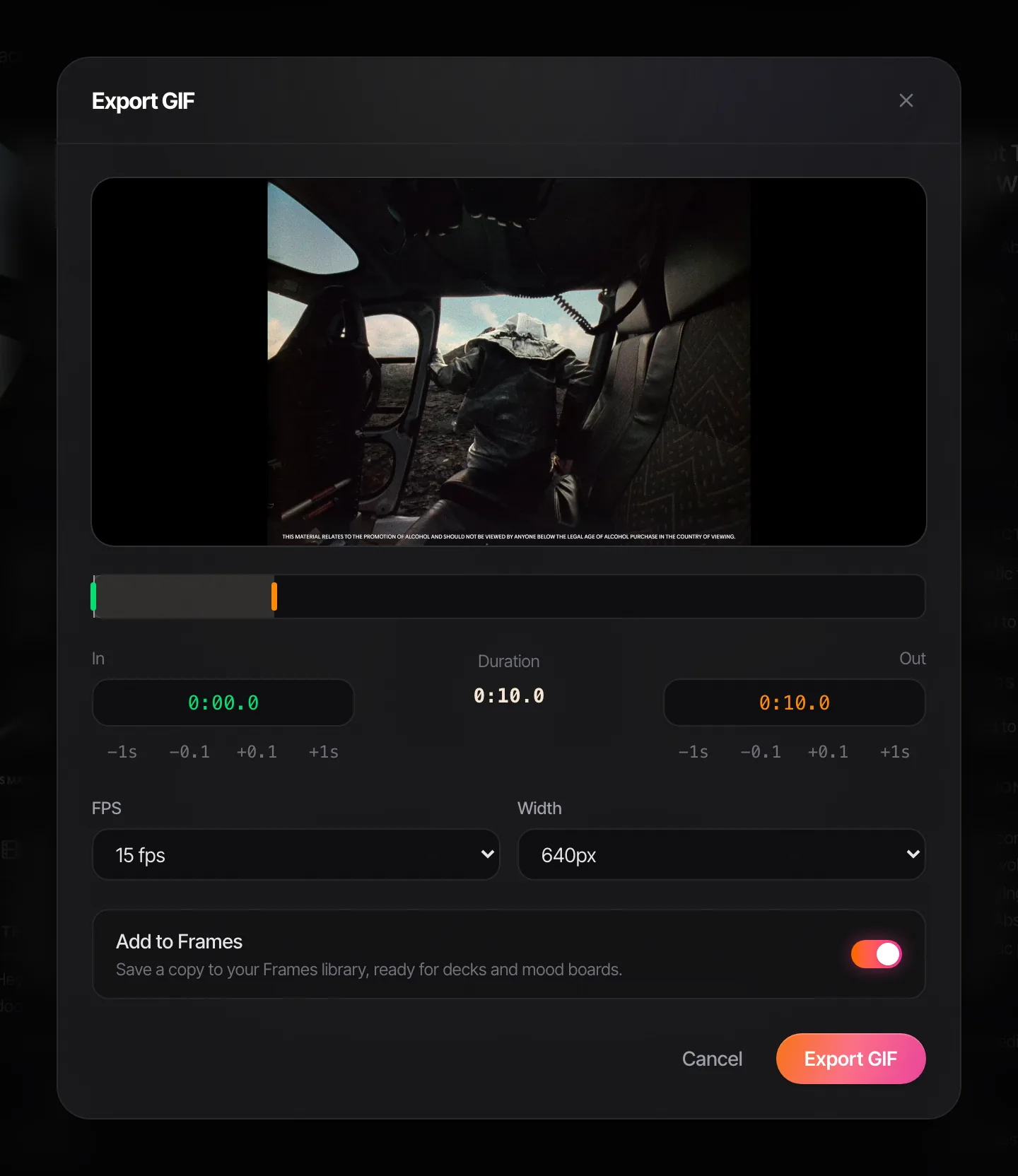
- Make a GIF for the deck. A looping GIF of the cut plays in a treatment without anyone pressing anything. Two or three seconds around the cut is plenty.
- Keep the version with sound. A GIF is silent, so a sound match turns into two unrelated shots. Link the clip, or play the video in the room.
Finding the exact frame is the fiddly part. You want to step through it, not drag a playhead and hope.
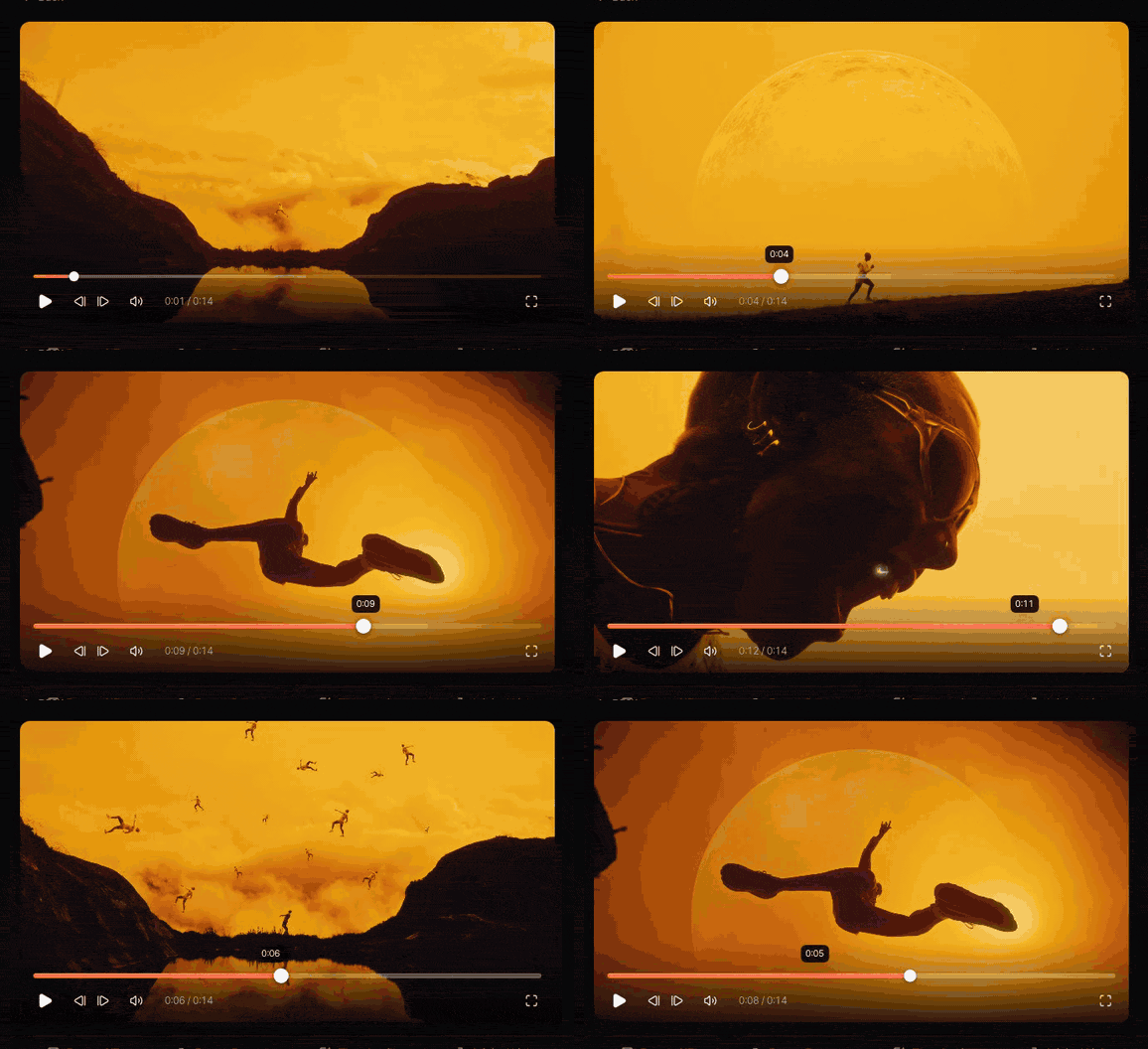
The GIF maker on this site does the same frame-accurate trimming in your browser: comma and full stop nudge the in and out points, and nothing gets uploaded.
In Spark, the saved clip stays in the library with your tags, and Export GIF cuts the two seconds you need into Frames when the deck wants it. The full video, sound and all, is still there for the edit.
For dialogue-led transitions like the Kane cut, being able to search what was said helps. If you remember the line but not the shot, a transcript search beats scrubbing. We've covered the options in searching videos by dialogue and transcript.
Planning a match cut before the shoot
The great ones are rarely found in the edit by luck (Lawrence notwithstanding). Most are planned, because both shots have to be framed to fit.
- Put both shots in the shot list together. Same shot size, matching position in frame, same direction of movement. Our guide to creating a shot list from video references shows how to attach the reference clip to each row.
- Match the lens, or at least the perspective. A shape on a 25mm one side and a 100mm the other won't feel like the same shape, however hard the editor tries.
- Collect pairs, not just cuts. Tag frames by their dominant shape and composition (one-point corridor, circle centre frame, silhouette on horizon) and possible matches start turning up between films you'd never have put together.
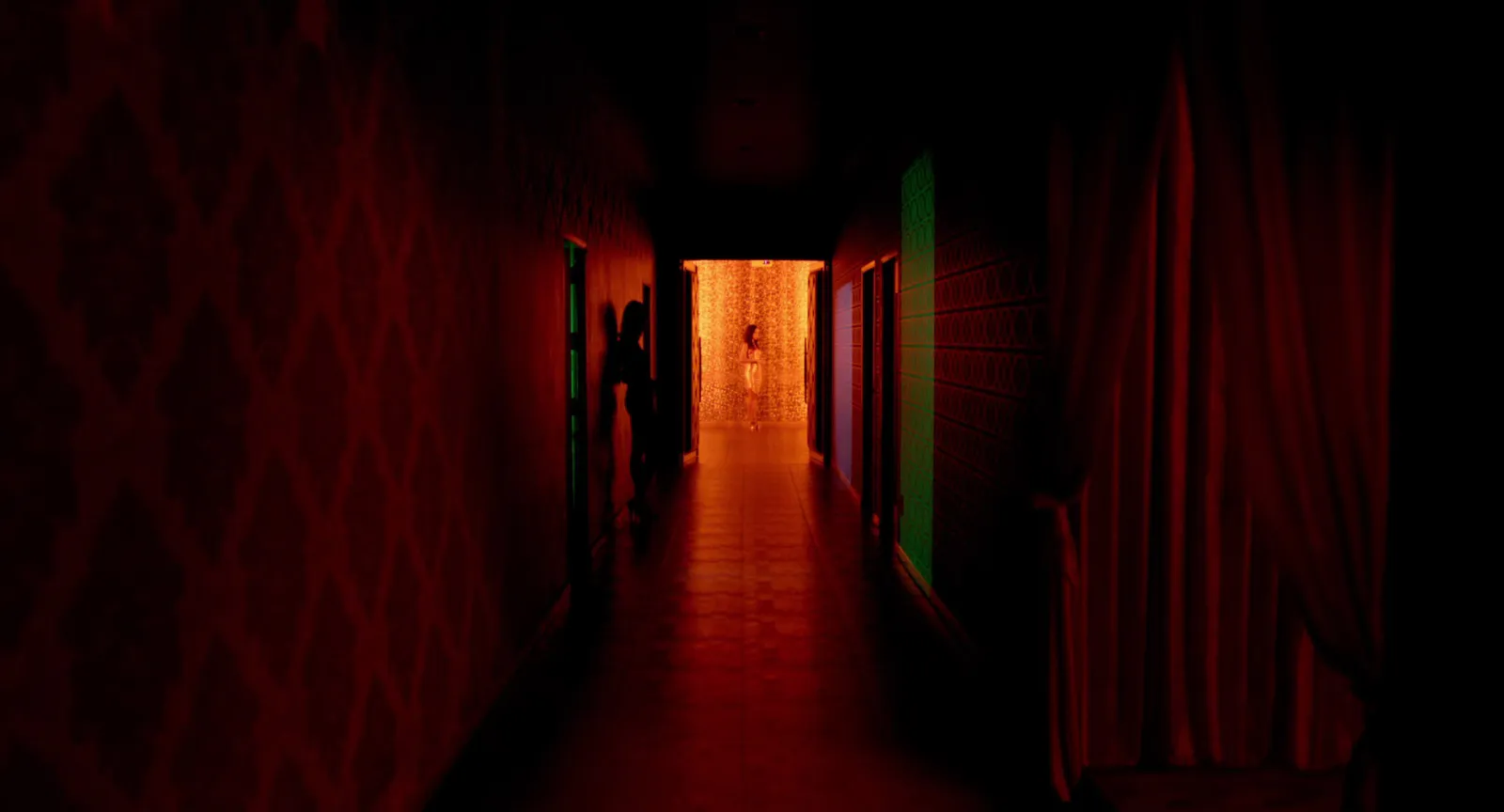
- Shoot extra movement on both sides. The editor needs room to pick the frame where the two line up.
- Line them up with opacity in the edit. In Premiere Pro or DaVinci Resolve, put the incoming shot on the track above, drop it to about 50% opacity, and nudge position and scale until the shapes sit on top of each other. Back to 100%, then trim frame by frame. One or two frames either way is the difference between a match and a jolt.
Still pitching? A match cut is a great thing to put in a treatment. Two frames with an arrow between them tells a client you've already thought about how the film moves.
The best match cuts get borrowed, on purpose, all the time. Orloff borrowed from Coates, and everyone has borrowed from Lovejoy. The trick is having your own collection to hand when the edit needs a way through, and the capture, tag and find habits from building a searchable creative library are how you get one.
FAQs
What is a match cut?
An edit between two shots that share something: a shape, a movement, a sound or an idea. The match makes the jump feel connected, even when the shots are years or miles apart. The bone-to-spacecraft cut in 2001: A Space Odyssey is the best-known example.
What is the most famous match cut in film?
The bone-to-spacecraft cut in 2001: A Space Odyssey (1968), edited by Ray Lovejoy, is usually named first. The match blown out into a desert sunrise in Lawrence of Arabia (1962), edited by Anne V. Coates, is the other contender. Steven Spielberg has spoken about the Lawrence cut as a turning point for him.
Is the Lawrence of Arabia cut a match cut?
It's usually called one, though film scholar David Bordwell argues it's more precisely a graphic match: the flame and the sun match in colour and position rather than in action. The script called for a dissolve, and Anne V. Coates cut it straight instead.
What's the difference between a match cut and a jump cut?
A match cut hides or justifies a change by connecting the two shots. A jump cut does the opposite: it cuts within the same shot or setup so the jump is obvious and jarring. Match cuts smooth over a leap; jump cuts point at one.
How do you make a match cut in Premiere Pro or Resolve?
Put the incoming shot on the track above the outgoing one, lower its opacity to around 50%, and adjust position and scale until the matching shapes line up. Set the opacity back to 100%, then trim the edit point frame by frame until the movement flows across the cut. It's far easier if both shots were framed for the match on the day.
How do I save a match cut as a GIF for a deck?
Trim two or three seconds around the cut, at 480 or 640 pixels wide and 12 to 15 frames a second. A browser converter like ours does it without uploading anything. Remember a GIF has no sound, so keep the original clip for any sound match.
Keep reading
All articles
Best Websites for Commercial Film Inspiration in 2026
Every site on this list was checked in October 2026. Some are free, some cost real money, and a couple are only worth it if you know exactly what you're hunting for.
Best Websites for Motion Design Inspiration in 2026
Motion design lists go stale fast. We opened every site on this one in October 2026, and found that one of the most famous places to watch short films no longer opens in the UK at all.
How to Build a Lighting Reference Library for Film Shoots
A folder called "Eyes Wide Shut" won't help on the tech recce. Here's how to read light from a frame, file it by setup, and hand a gaffer something they can use.