
How to Write a Music Video Treatment (Template and Example)
The song is the script, the artist is the star and the client, and the budget is fixed before you start. Here's the template we'd use, and an invented video built with it.
By the Spark team ·
A music video treatment is a short pitch document, usually five to ten pages, that sells your idea for a video to the artist, their management and whoever commissioned it. It says what kind of video it is (performance, narrative, concept or a mix), what the artist does in it, how the idea follows the song, what it looks like, and how it fits the budget and the schedule. Below is a section by section template and a filled example for an invented track.
We're the team behind Spark, a reference library for video. Our general guide to building a film treatment covers commercials. Music videos share the craft but not the rules, and the differences decide who wins.
What makes a music video treatment different
The song is the script. There's no agency script to interpret. The track gives you the length, the structure and the emotional shape, and the treatment has to show how the idea moves with it: what happens in the verses, what changes at the chorus, what the bridge is for.
The artist is the star and a client. They will read it, and so will their manager. A commercial treatment sells a film to a brand; a music video treatment also sells the artist an image of themselves. Say how they'll look, what they'll do and how much of their time you need.
Somebody commissioned it. A brief usually comes from the artist, their label or a music video commissioner, and several directors pitch on it, according to Wrapbook's guide to music video treatments. In the UK the commissioner is a recognised role: the UK Music Video Awards give an award for best creative commissioner, and on the production side the Music Video Producers Association pushes for a standard production agreement with labels. Find out who's reading before you write, because a commissioner and an artist want different things from page two.
The budget is fixed before you start. The same awards run a category for videos made for £5,000 or less, and cap their newcomer categories at £20,000. Whatever the number in your brief, the idea has to be shootable for it, and saying how is part of the pitch, not an afterthought.
The schedule is tied to a release. Ask for the shoot window and the delivery date before writing anything. Wrapbook's guide lists both, along with the budget and whether the artist already has an idea of their own.
Performance, narrative or concept
Most videos are one of three types, or a blend. Name yours early in the treatment, because it tells the reader what kind of pages to expect.
Performance
The artist performs the song, and the video is about where, how it's lit and how the camera sees them. The treatment sells the setting, the light and the camera, and it has to make the artist want to be there. Performance is also the safety net: narrative and concept videos often shoot a performance pass too, so the edit has somewhere to go.

Narrative
A story, with or without the artist in it. The treatment reads more like a short film: characters, a world, a turn. The risk is a story too big for three minutes and the budget, so keep it to one situation and one change.
Concept
One idea or technique carries the whole video: a single take, a visual trick, a rule the world obeys. The treatment's job is to make the idea clear in a line and prove it can be done, often with a test or a reference that shows the technique working.

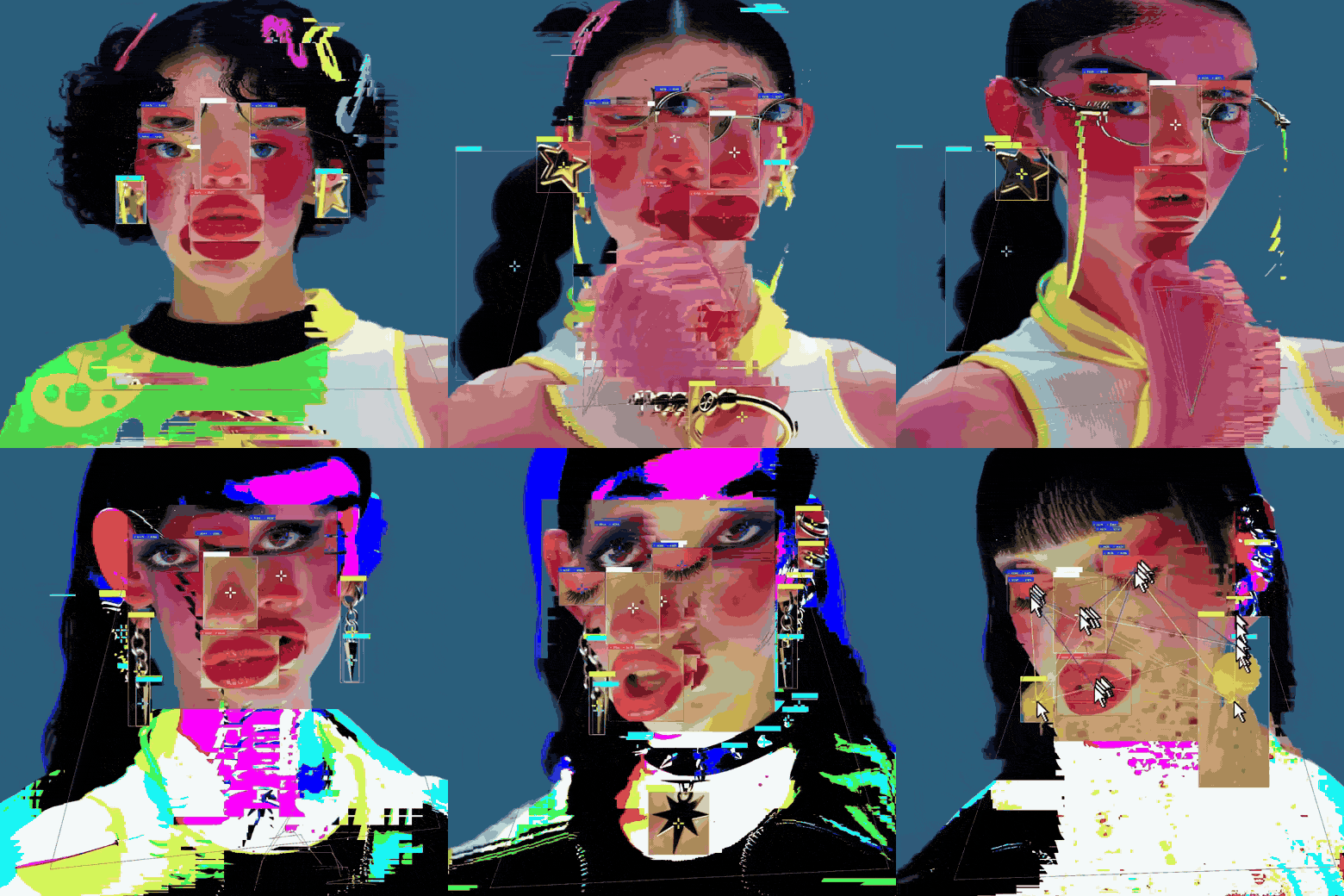
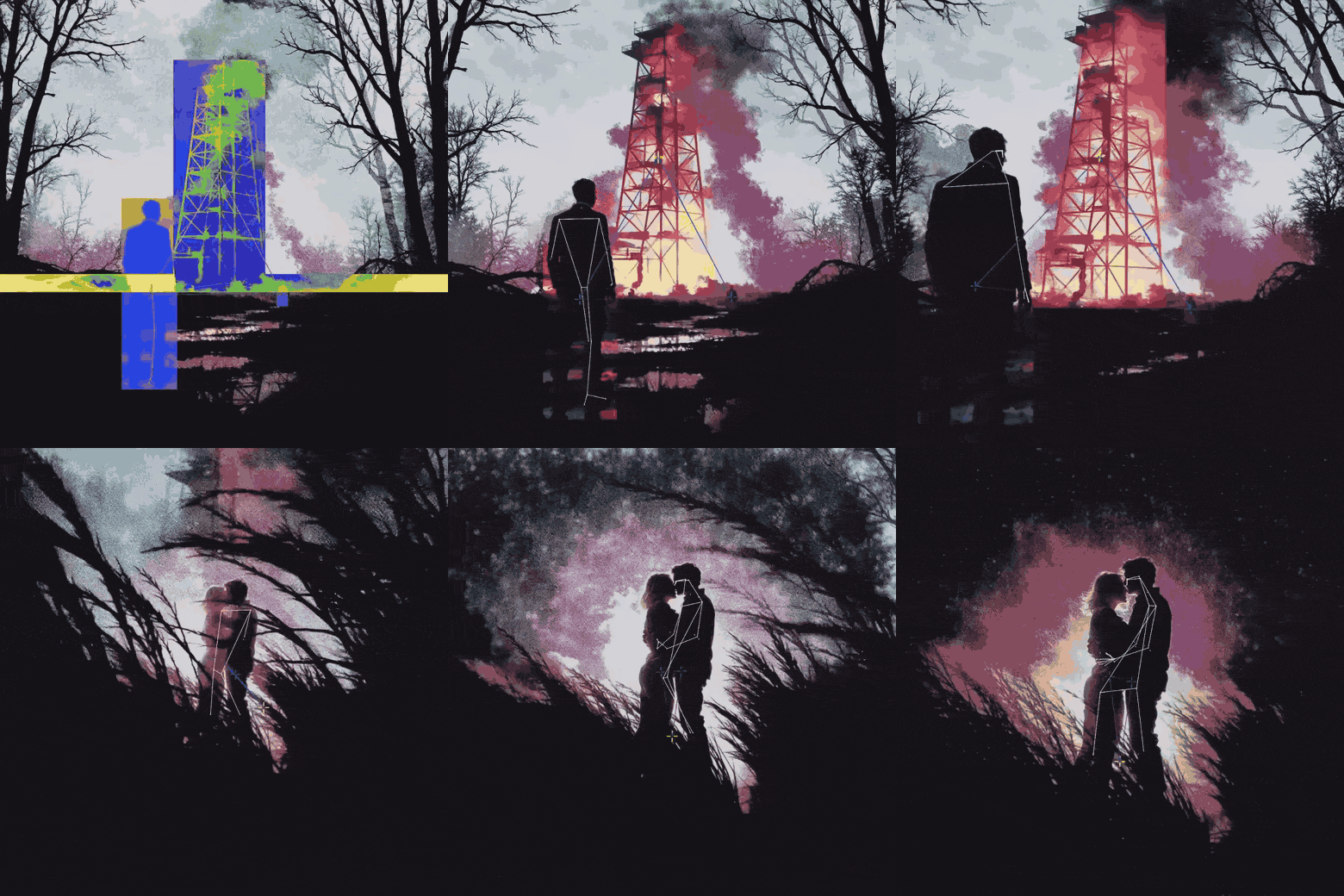
Most videos end up as a hybrid: a performance thread cut against a story or an idea. Say which one leads.
The music video treatment template, section by section
Copy these headings into Keynote, Google Slides or whatever you design in. One section per page, except where noted.
- Cover. Artist, track, your name, one image from the world of the video.
- The idea. One sentence. If the artist only reads this page, they still get it.
- A note to the artist. Half a page: what you heard in the song, why this idea belongs to it, and the one thing you'd do that nobody else will.
- Type and song map. Performance, narrative, concept or hybrid, then the idea laid against the song: intro, verses, choruses, bridge, outro, and what happens in each.
- The artist. How they look, how they perform, styling references, and how many hours you need them on set.
- The world. Look, light and colour, three or four frames to a page with a line under each.
- Camera and edit. How the camera behaves and how the cut relates to the music: on the beat, against it, or one shot.
- Locations and cast. Where, and who else appears.
- How it gets made. Days, locations, what's in camera and what's post, and what you'd drop first if money runs short.
- Deliverables. The main video plus whatever the label asks for: a vertical version, cutdowns for socials, stills.
- Close. The last frame, and a link to your reel.
Keep it short. Wrapbook's guide warns against treatments of 20 pages or more, and our treatment examples post shows how much one picture and one sentence can do per page.
A filled example: Night Service
Everything here is invented to show the template working: the artist, the track and the brief. The brief asks for a performance-led video for a three minute twenty song, on a small budget, shot within a fortnight.
The idea: She falls asleep on the last train and wakes in a city that has come loose.
A note to the artist: The song sounds like the bit of a night out when everyone else has gone home. We want to film that feeling literally: you, alone, in a carriage that keeps going after the city has stopped making sense.
Type: Hybrid, performance led. She sings to camera in every scene; the concept is the world slowly coming apart around her.
Song map: three scenes, one for each act of the song.
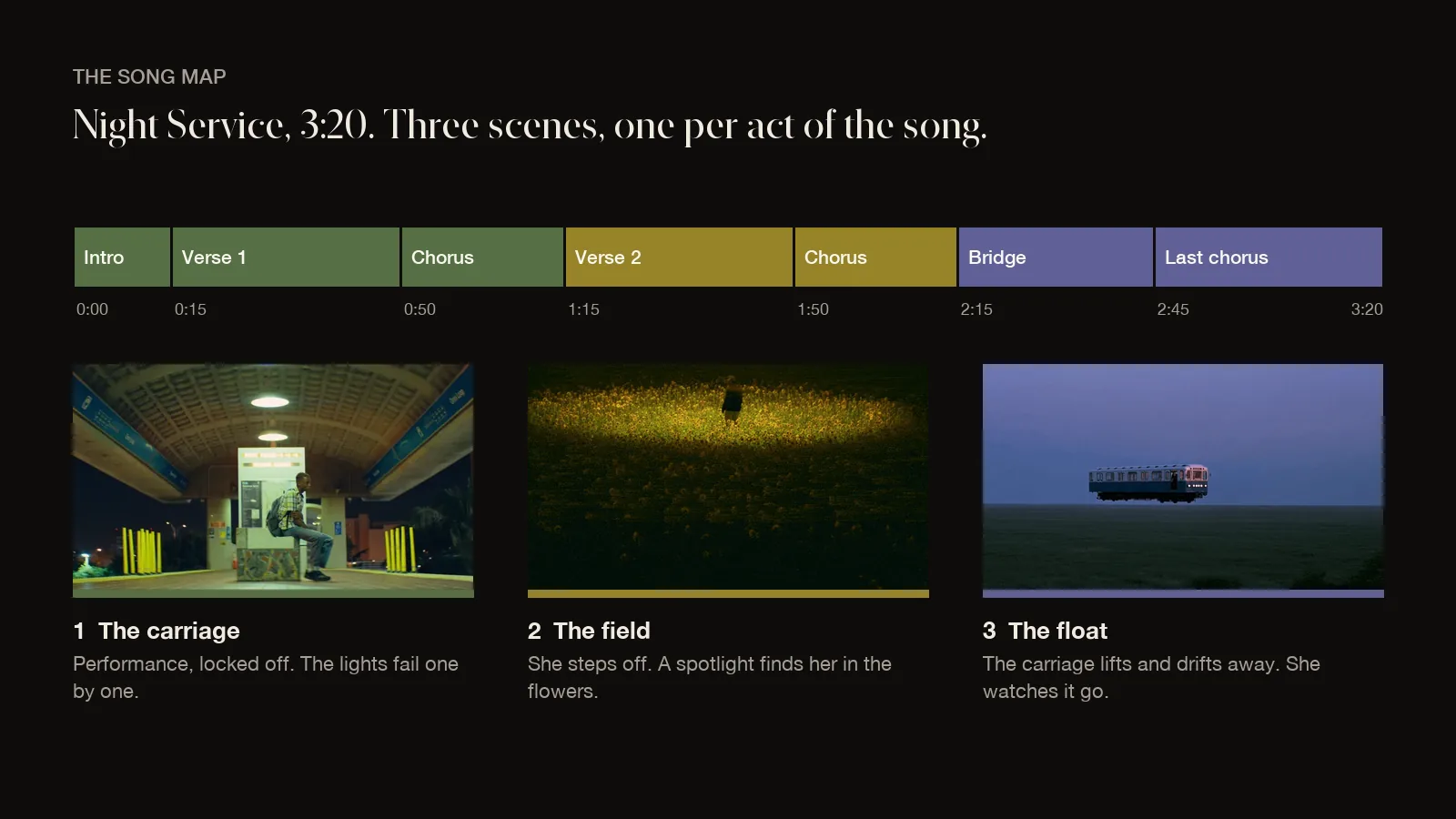
The artist: one shoot night. Four full performance passes in the carriage, three in the field. Slow motion lip sync for the choruses, which means the track plays at double speed on set. Styling is one coat she can sleep in.
The world: fluorescent green in the carriage, then a single warm spotlight in a dark field, then dusk. Everything practical except one shot.


How it gets made: one location type (a heritage railway carriage with a field beside the line), one night and one dusk, a locked off camera for the float so the composite is simple. If the money falls short we drop the float and end on the spotlight going out, which still works with the song. Saying that in the treatment is what makes a commissioner trust the rest.
Deliverables: the main video, a 9:16 version of the second chorus for socials, and stills from the field.
The shot list for this example, with frame rates and playback notes, is in our shot list template post. If the commissioner wants to see the pace before the shoot, cut the references to the track as a ripomatic.
Read it as the commissioner will
Before you send it, go through the treatment once as the person who has to choose between you and four other directors.
- Is the idea on page two, in one sentence? If it takes a paragraph, it isn't finished.
- Does every part of the song have a job? A video that peaks at the first chorus and repeats itself for two minutes shows up on the song map.
- Can it be shot for the money, and does the treatment say how? One page on days, locations and what you'd cut is what separates a pitch from a wish.
- Will the artist like how they look? Styling and performance references are where artists say yes or no.
- Does it open on a phone? Treatments get forwarded. A huge PDF that won't load is a no by default.
Finding the references, and making them move
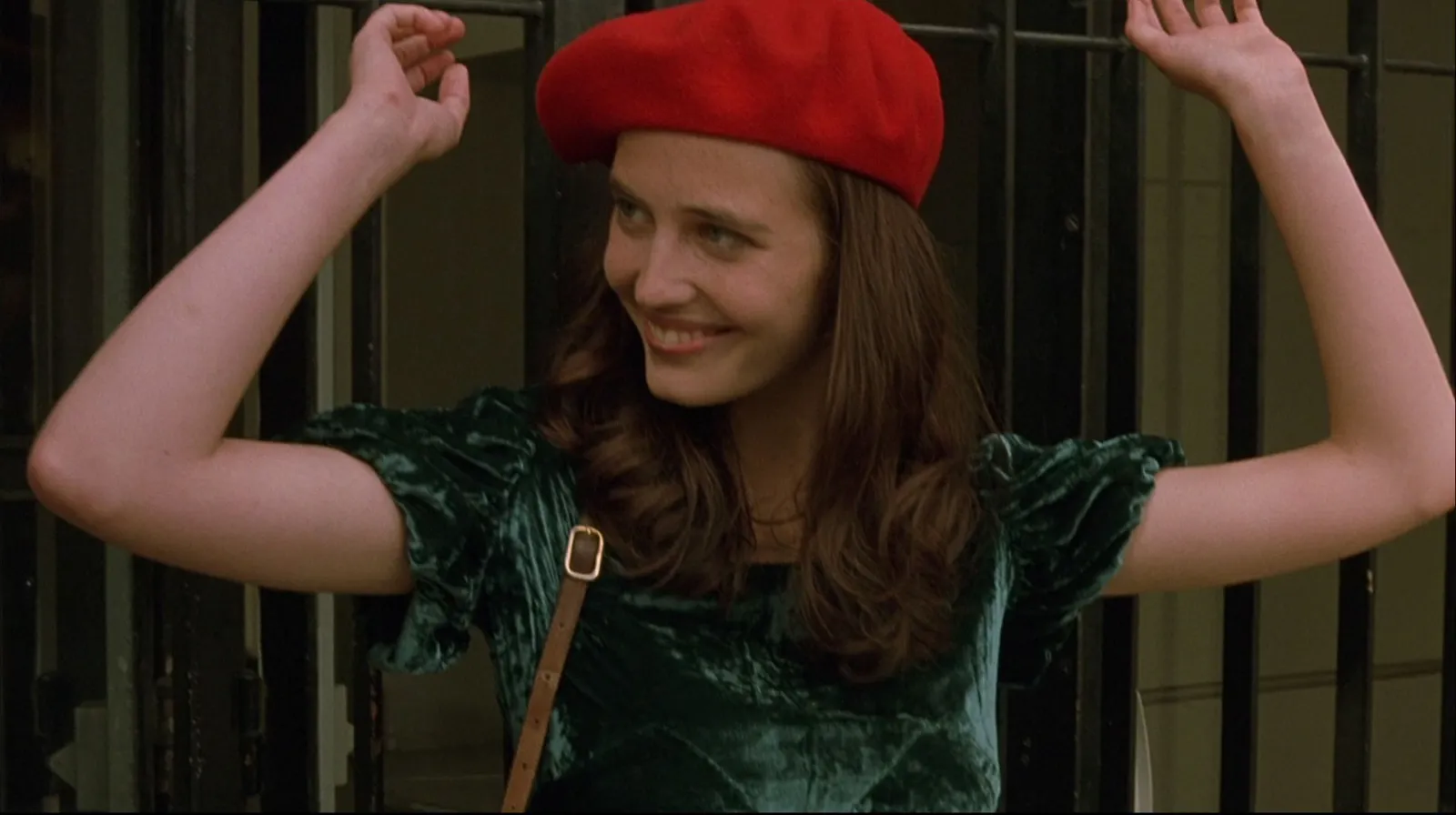
A music video treatment lives or dies on references that feel like the track, and the right one is usually a reel or a clip you saw months ago. Search by feel, not title.
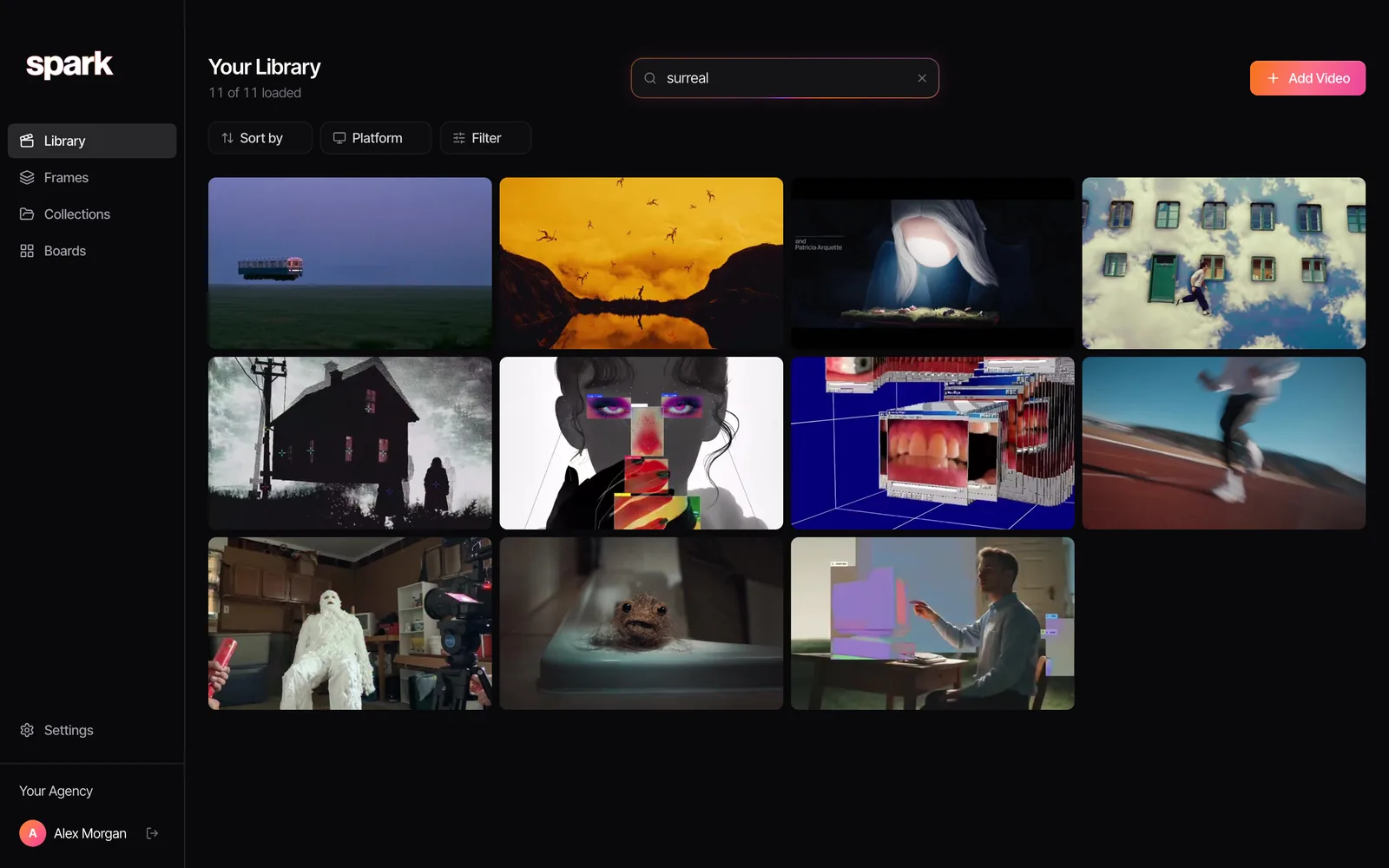
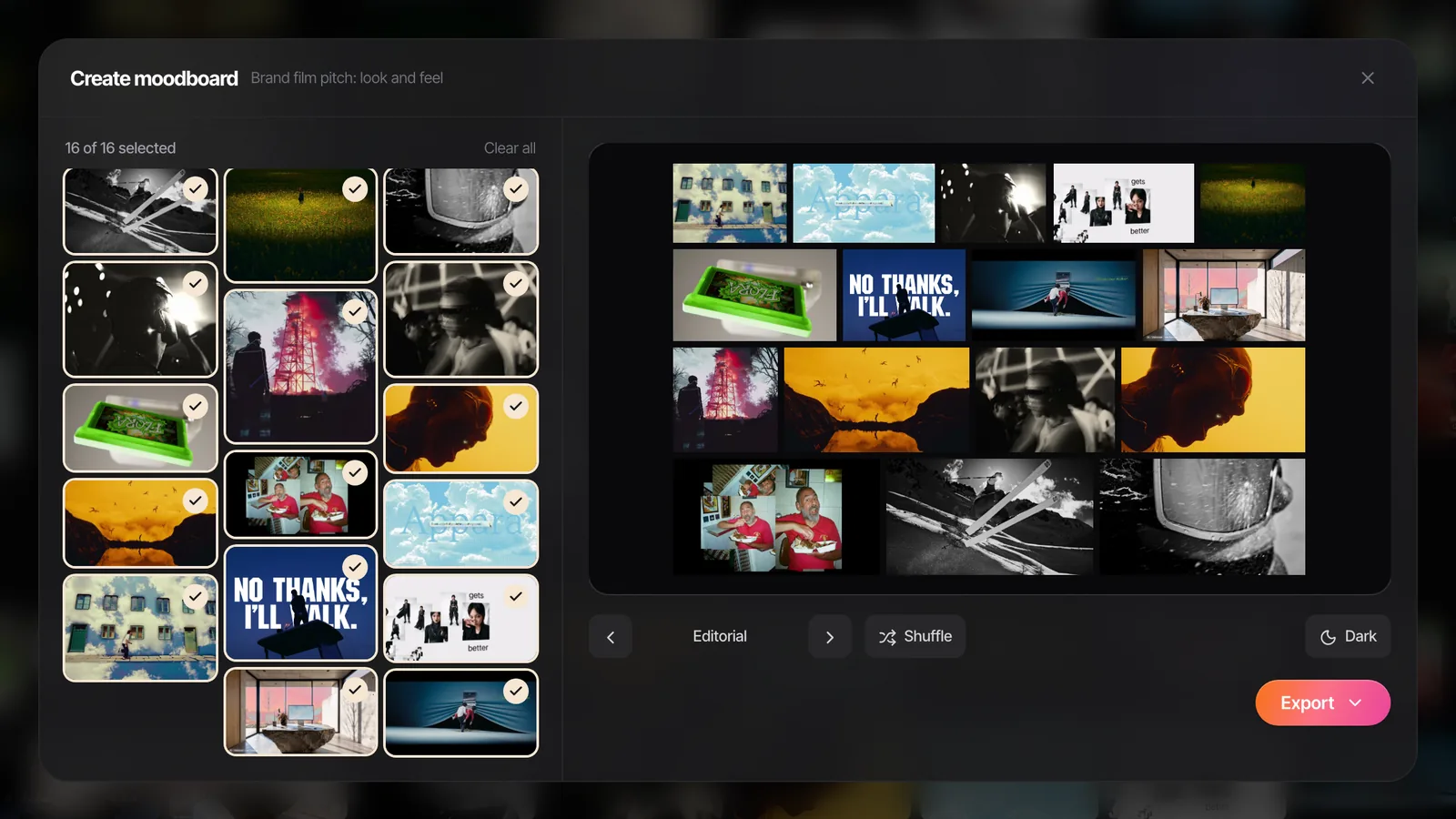
Then make the important ones move. Send the treatment as Keynote or PowerPoint and GIFs play on the page; a PDF freezes them. Our free video to GIF converter cuts a loop from any clip you're allowed to use, frame accurate, in the browser. Our guide to video moodboards covers layout and playback across apps, and colour grading references helps when the grade is the idea.
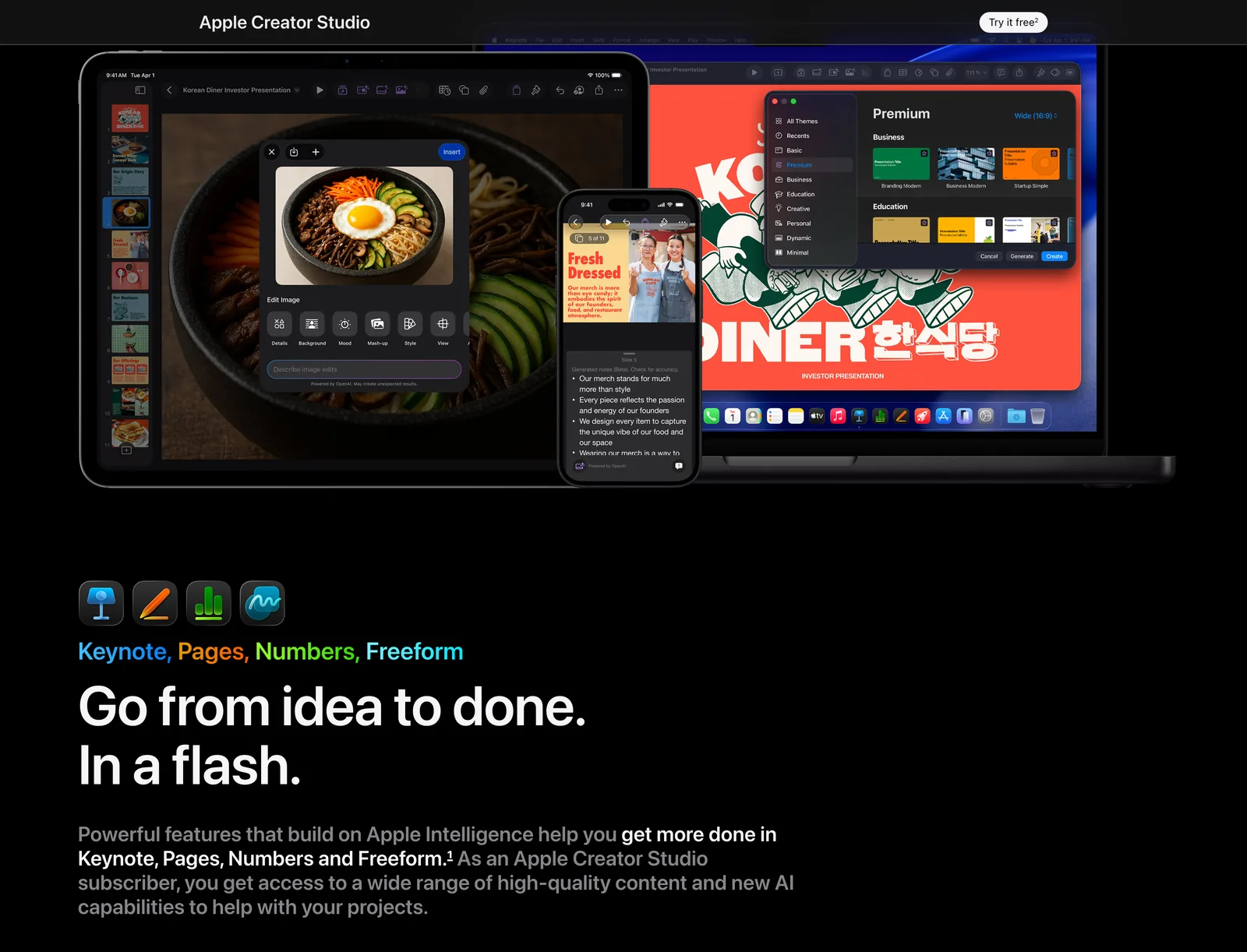
If a cut or transition is the concept, give it a page of its own with the reference that inspired it; our guide to match cuts and creative transitions has the vocabulary.
Real music video treatments worth reading
- Daniels, Turn Down for What. No Film School published the original treatment as a PDF. The directors say their ideas often sound bad on paper, and the treatment pitched an ending that was dropped. Read it for confidence and tone.
- Hype Williams, If I Ruled the World. Wrapbook's guide walks through Williams' treatment for the Nas video featuring Lauryn Hill, which opens by describing the whole video as an abstract painting. Read it for how much one opening line can carry.
- The WDMV Treatment Database. We Direct Music Videos runs a free, moderated database of treatments on Reddit for education. Read a lot of them, for range.
FAQs
What is a music video treatment?
A short pitch document that sells a director's idea for a music video to the artist, their management and the label or commissioner. It explains the idea, the type of video, how the idea follows the song, the look, the artist's role, and how it fits the budget and schedule. It's mostly pictures, with short text.
How long should a music video treatment be?
Five to ten pages is typical, and shorter is often better. Wrapbook's guide advises against treatments of 20 pages or more. The idea should be clear from the first two pages.
What's the difference between performance, narrative and concept music videos?
A performance video is built around the artist performing the song. A narrative video tells a story, with or without the artist in it. A concept video is carried by one idea or technique. Most videos mix them, usually with a performance thread cut through a story or concept.
Who reads a music video treatment?
Usually the commissioner who sent the brief, the artist and their management. The commissioner checks it fits the brief, budget and schedule; the artist checks how they'll look and whether the idea feels like theirs. Write for both.
How do you write a treatment for a low budget music video?
Pick an idea that's strong in one location and one shoot day, and lean on light, performance and camera over effects. Say in the treatment how it gets made and what you'd drop first if money runs short. A clear plan for the money is part of the pitch.
Do music video treatments include a song map?
The good ones do, even if it isn't called that. Laying the idea against the song's sections shows the artist and commissioner what happens in every verse and chorus, and proves the video builds with the track.
Keep reading
All articles
How Much Does Video Production Cost in the UK? (2026 Guide)
Every video quote is the same handful of lines in different sizes. Here they are, priced from published 2026 rates, with three worked budgets and the questions that get you a quote you can compare.
How to Collect References From Clients (Without 40 WhatsApps)
A client who sends forty links has told you everything and nothing. Ask for four, each with a sentence and a timecode, and you'll learn more.
Video Production Proposal Template (and What Clients Actually Read)
Clients read three things in a proposal: whether you understood them, what they'll get, and what it costs. Here's a template built around those, with every budget line explained.