
Video Creative Brief Template: What to Ask Before the Shoot
A production company can only pitch on what you tell them. Here are the fields, the answers that get you a sharp treatment back, and the four references that save a week of guessing.
By the Spark team ·
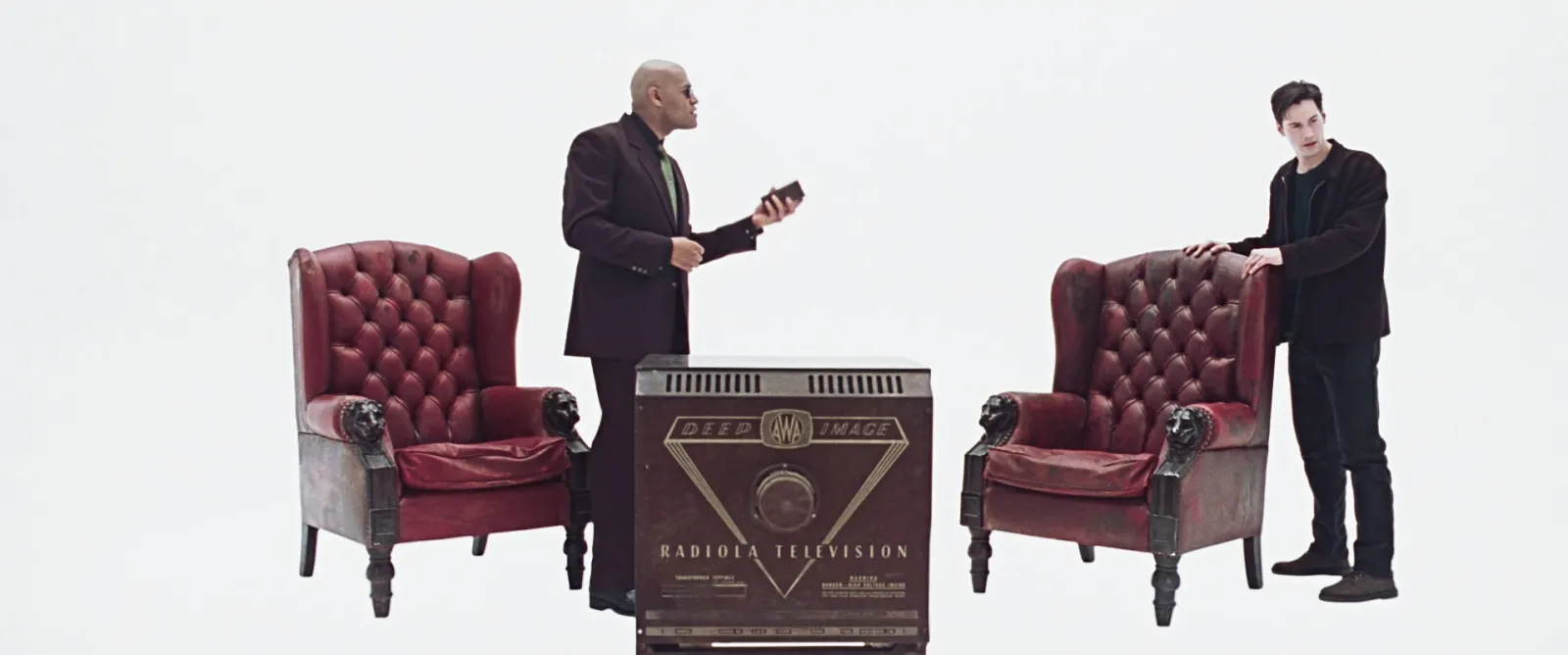
A video creative brief tells a production company what the film has to do, for whom, in which formats, for how much and by when. The fields that matter are background, objective, audience, the one thing to say, tone, mandatories, deliverables, usage, budget, timeline, approvals, and a references section with three films you love and one you don't, each with a timecode. Keep it to two pages and send your brand guidelines, previous films and any script with it. The template is below, with examples of weak and good answers.
Spark's founder read briefs from the production side of the table for more than ten years, and we make Spark, a reference library for creative teams. This is the brief every production company would love to receive. It's for agencies and in-house brand teams briefing a production company or director, and it works whether you want a treatment, a quote or both.
Why the brief decides the film
A director writes a treatment from your brief in a few days. Every gap gets filled with a guess, and three production companies will guess three different ways. Then you're comparing three films that answer three different briefs.
The research agrees with how it feels. In the BetterBriefs Project's global study of marketing briefs, only 7% of agencies said the briefs they receive use clear and concise language, and 54% said briefs are too long (BetterBriefs FAQ). Short and specific beats long and thorough.
The video creative brief template
Copy this into a doc and answer every heading. If a heading doesn't apply, write "not applicable" so the production company knows you thought about it.
VIDEO CREATIVE BRIEF

1. Project and contacts
   Name, brand, who writes the brief, who signs off.

2. Background
   What's happening for the brand, and why this film now.

3. Objective
   What the film has to do. One thing, observable.

4. Audience
   Who, where they'll see it, and what they think now.

5. The one thing to say
   One sentence. Not a list.

6. Tone
   Three words, then the references that show them.

7. References
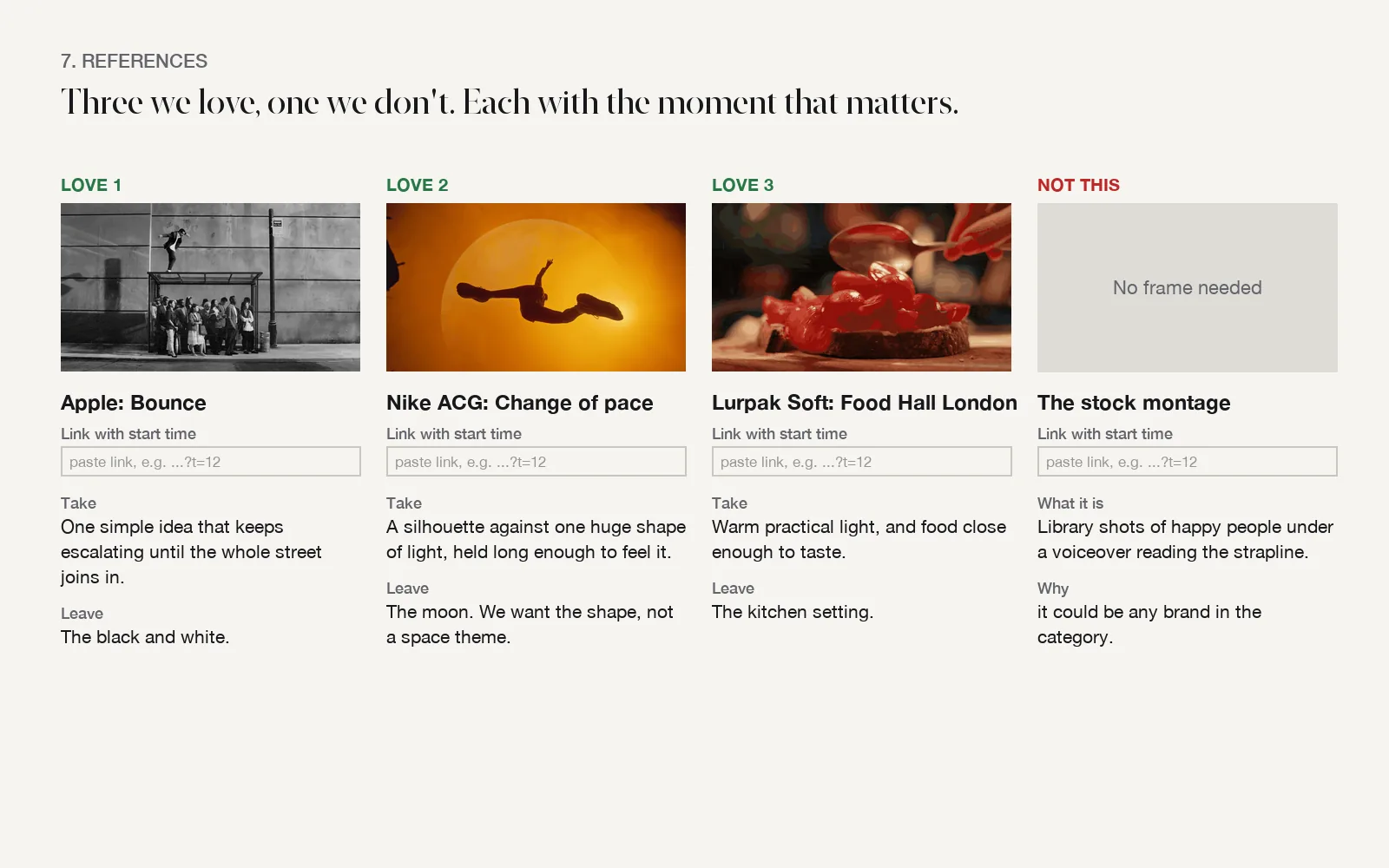
   Three films you love and one you don't.
   For each: link with start time, what to take, what to leave.

8. Mandatories
   Logo, product, legal lines, subtitles, brand rules.

9. Deliverables
   Every version: length, aspect ratio, platform.

10. Usage
    Where, which media, which territories, for how long.

11. Budget
    A range, and what it does and doesn't cover.

12. Timeline
    Treatment due, decision, shoot window, first cut, delivery, launch.

13. Approvals
    Who signs off at each stage, and how many rounds.

14. What already exists
    Script, assets, previous films, product, locations, talent.

15. What you want back
    Treatment, costs, schedule, and by when.
What good answers look like
The difference between a brief that gets you a sharp treatment and one that gets you three generic ones is usually in a handful of fields.
| Field | Weak answer | Good answer |
|---|---|---|
| Objective | Raise awareness | Get people who already buy the brand to try the new flavour in its first month |
| Audience | 18 to 35 | People who cycle to work in cities, see us on Instagram and think we're a bit corporate |
| One thing to say | Fresh, sustainable, premium and fun | It tastes like the morning you didn't oversleep |
| Tone | Premium but approachable | Warm, dry, a bit funny. See references 1 and 3 |
| Deliverables | A hero film and social cutdowns | One 60 second 16:9; three 15 second 9:16 with burned in subtitles; one 6 second bumper |
| Usage | Online | Paid social and online video, UK and Ireland, 12 months from first post |
| Budget | TBC | A range, all in except media, with music and talent buyouts included or listed separately |
| Timeline | ASAP | Treatments by the 10th, decision by the 14th, shoot window in the last week of the month, delivery four weeks later |
Objective and the one thing to say
These two fields carry the film. An objective is something the film can make happen, not a marketing aspiration. The one thing to say is a single sentence a director can build an idea around. "Fresh, sustainable, premium and fun" is four briefs. Pick one; the others can live in the brand guidelines.
Tone
Tone words on their own are close to useless, because "playful" means something different to everyone. Write three words, then point at the references that show them.

Deliverables
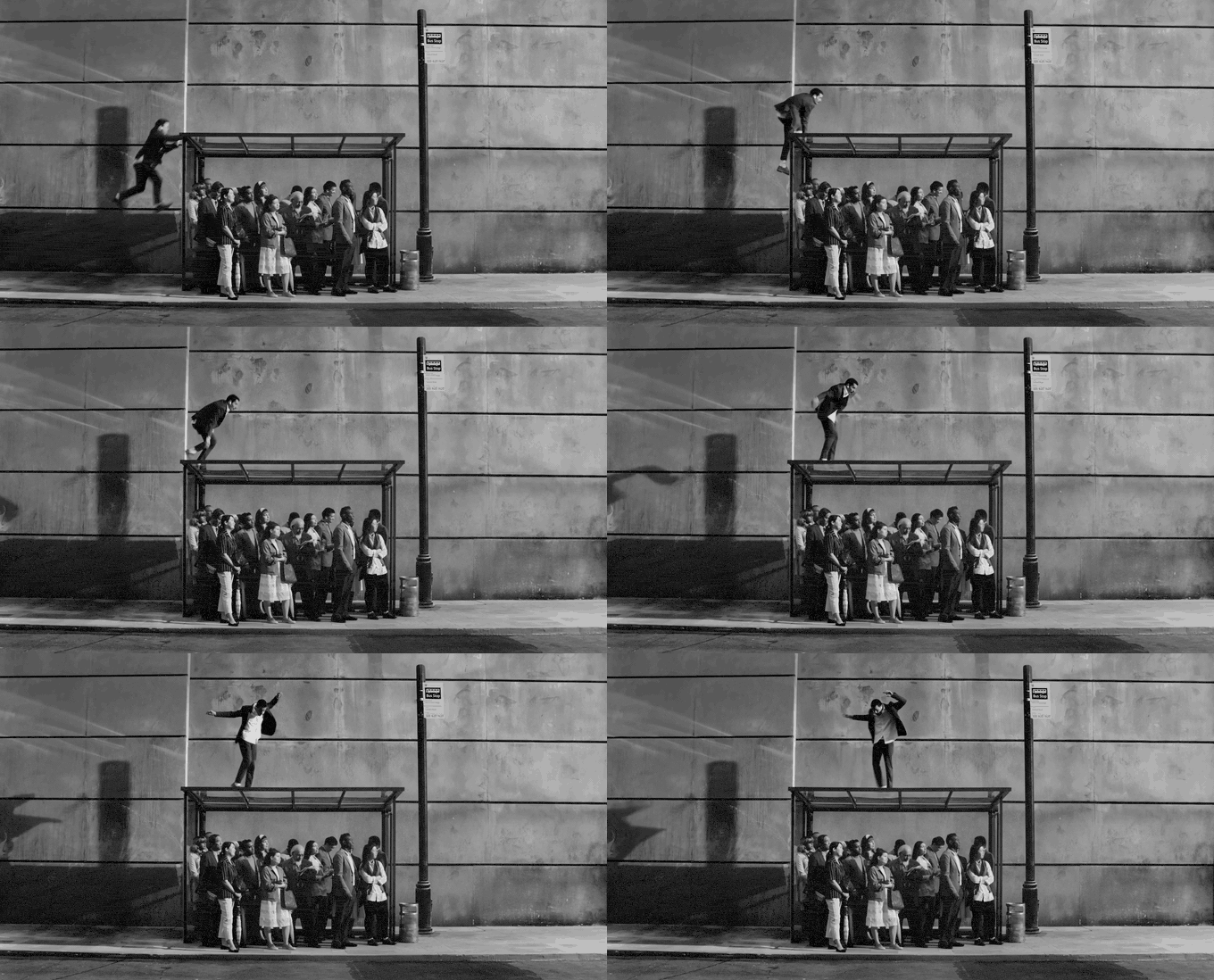
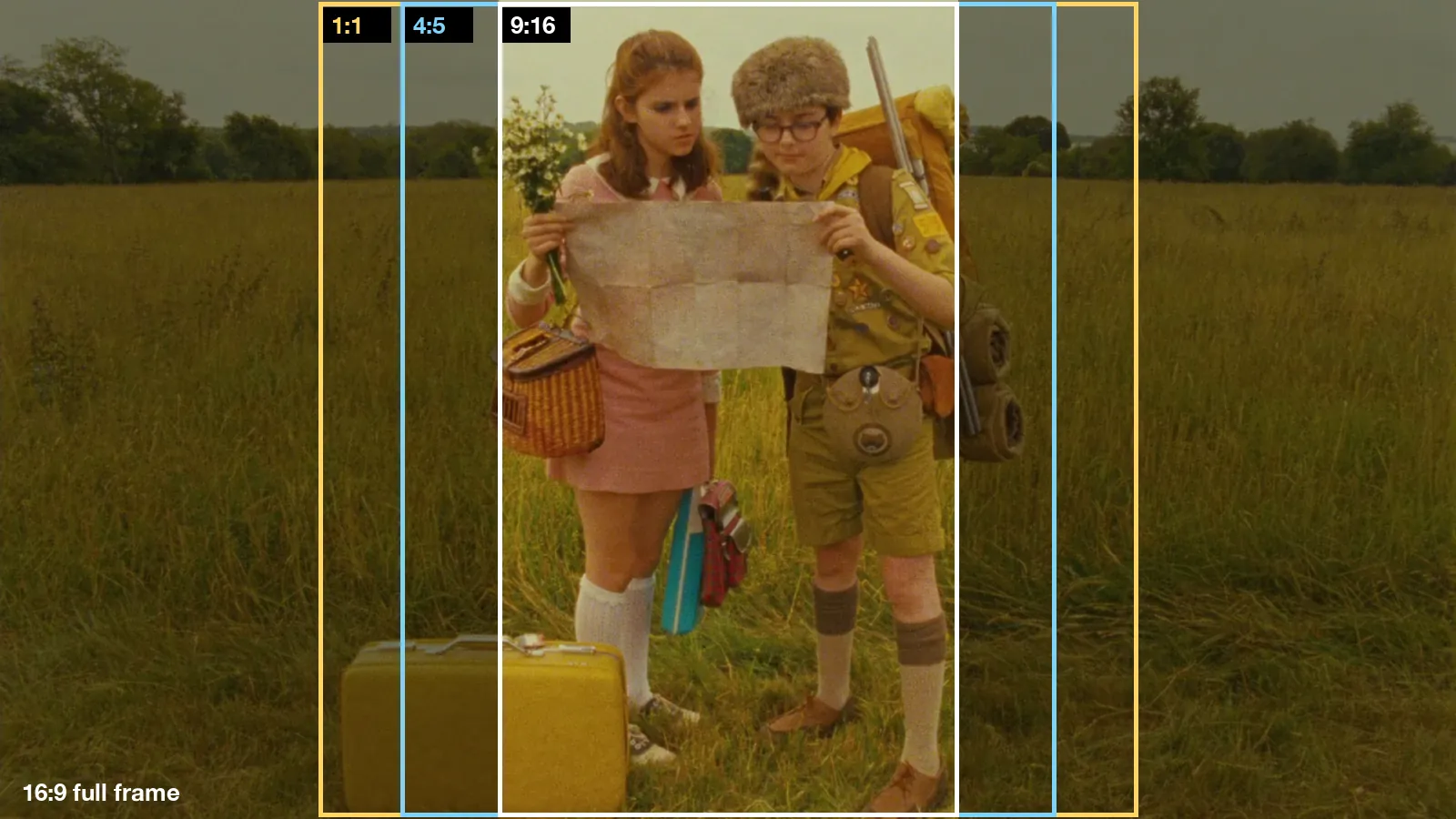
List every version you need, with its length, aspect ratio and platform. This changes how a director frames every shot: a film that must work in 16:9 and 9:16 gets composed for the centre of the frame from the first day of prep. If you don't know yet, say which platforms and the production company will suggest the versions.
Usage
Where the film runs, in which media, which countries and for how long. Usage changes the cost of talent and music, because buyouts for actors and licences for tracks are priced against it. Be honest about the maximum you might need, and check the final terms with your legal team or a specialist adviser; a brief is not a contract.
Budget
Give a range and say what it includes. Production companies can't design an idea for an unknown number, and a brief with no budget tends to get treatments that are either too big or too cautious. If media, music or talent buyouts sit in another budget, say so.
Timeline and approvals
Dates for every step, and who signs off at each one. The approvals line is the one people skip, and it's the one that moves shoots: if the client's CEO sees the edit for the first time at final approval, write that down so the schedule has room for it.
An example brief, filled in
Invented for illustration: a brand team launching a canned iced coffee briefs a production company for a set of vertical social ads. The short version of each field:
- Objective: get people who already drink our hot coffee to try the can in its first month on shelf.
- Audience: commuters in their twenties and thirties who cycle or walk to work, see us on Instagram, and think we're an office brand.
- One thing to say: cold coffee for the ride, not the desk.
- Tone: quick, bright, a bit dry. References 1 and 3.
- Deliverables: three 15 second 9:16 ads for Reels and TikTok with burned in subtitles, one 6 second bumper, and stills cropped to 4:5.
- Usage: paid social in the UK for 12 months.
- Budget: a range, all in except media, with music included.
- Timeline: treatments in a week, shoot within three weeks of the decision, delivery two weeks after the shoot.
- Approvals: the brand team at treatment and first cut, the marketing director at final cut, legal on any health claim.
- What exists: guidelines and can renders; physical cans arrive a week before the shoot.
That fits on one page, and a director can pitch from it. The shot list that answers it is the vertical ad example in our shot list template.
The references section: three you love, one you don't
This is the most useful page in any brief, and the easiest to get wrong. One reference is a wish. Three show a pattern. One you dislike marks the edge. For each, give the link with a start time, one line on what to take, and one line on what to leave.
Three tips for this page:
- The timecode is the point. A 60 second film can hold thirty shots. On YouTube, use Share and tick Start at (YouTube's help page); on Vimeo, add
#t=and the time to the link; for Instagram and TikTok, write the time next to the link. - Say what to leave. If you love a film's casting but not its black and white, the director needs to know, or the treatment will come back in black and white.
- Describe the one you don't want as a type. "Stock montage with a voiceover" is clearer, and kinder, than naming another brand's ad.
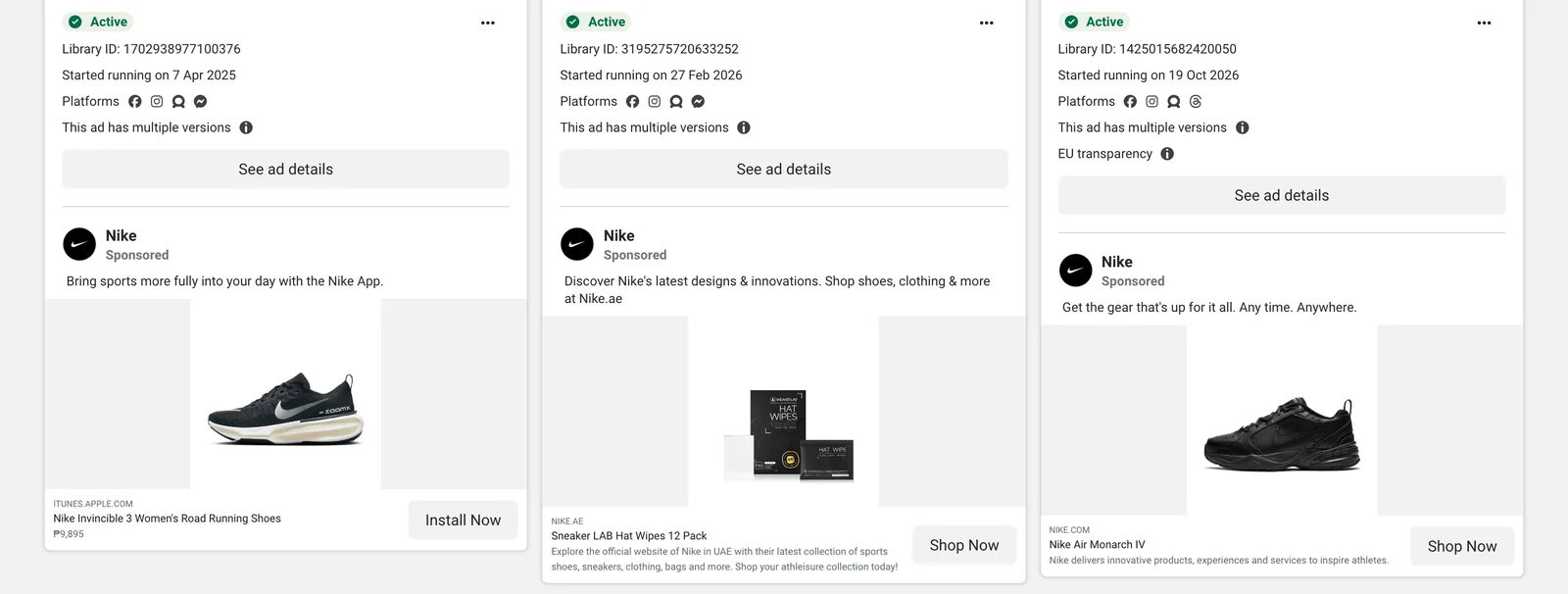
If your team runs paid social, the Meta Ad Library is the quickest place to find references for this page: real ads running now, with their start dates. Our Meta Ad Library guide shows the searches that work. For creator-style ads, our guide to UGC moodboards explains what to point at. Teams that collect ads at scale use dedicated tools, compared in the best ad swipe file tools.
Producers on the receiving end have their own version of this ask; our guide on collecting references from clients is the other half of the conversation.
What to send with the brief
The brief is two pages. The pack around it can be bigger.
- Brand guidelines, logo files and fonts, plus any visual style guide from earlier campaigns.
- The script or idea, if the agency already has one. Say how fixed it is.
- Previous films, with one line on what worked and what you'd change.
- The product: when samples are available, and any versions that aren't launched yet.
- Mandatories in writing: legal lines, claims that need support, accessibility requirements.
- Anything already contracted: talent, music, locations, a photographer on the same shoot.
- The references, in one place. A single link to a board beats a document of loose links, and far beats forty messages.
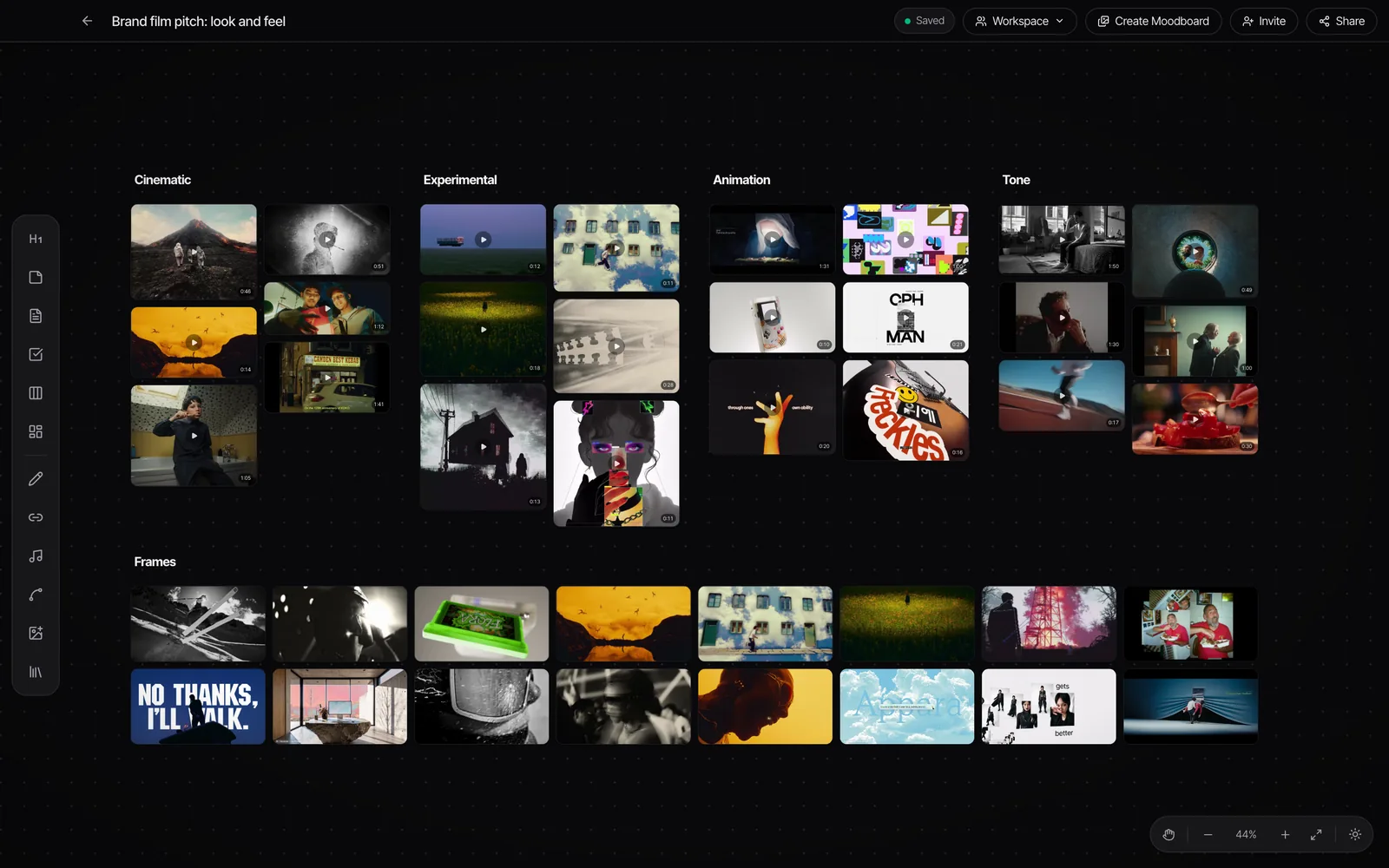
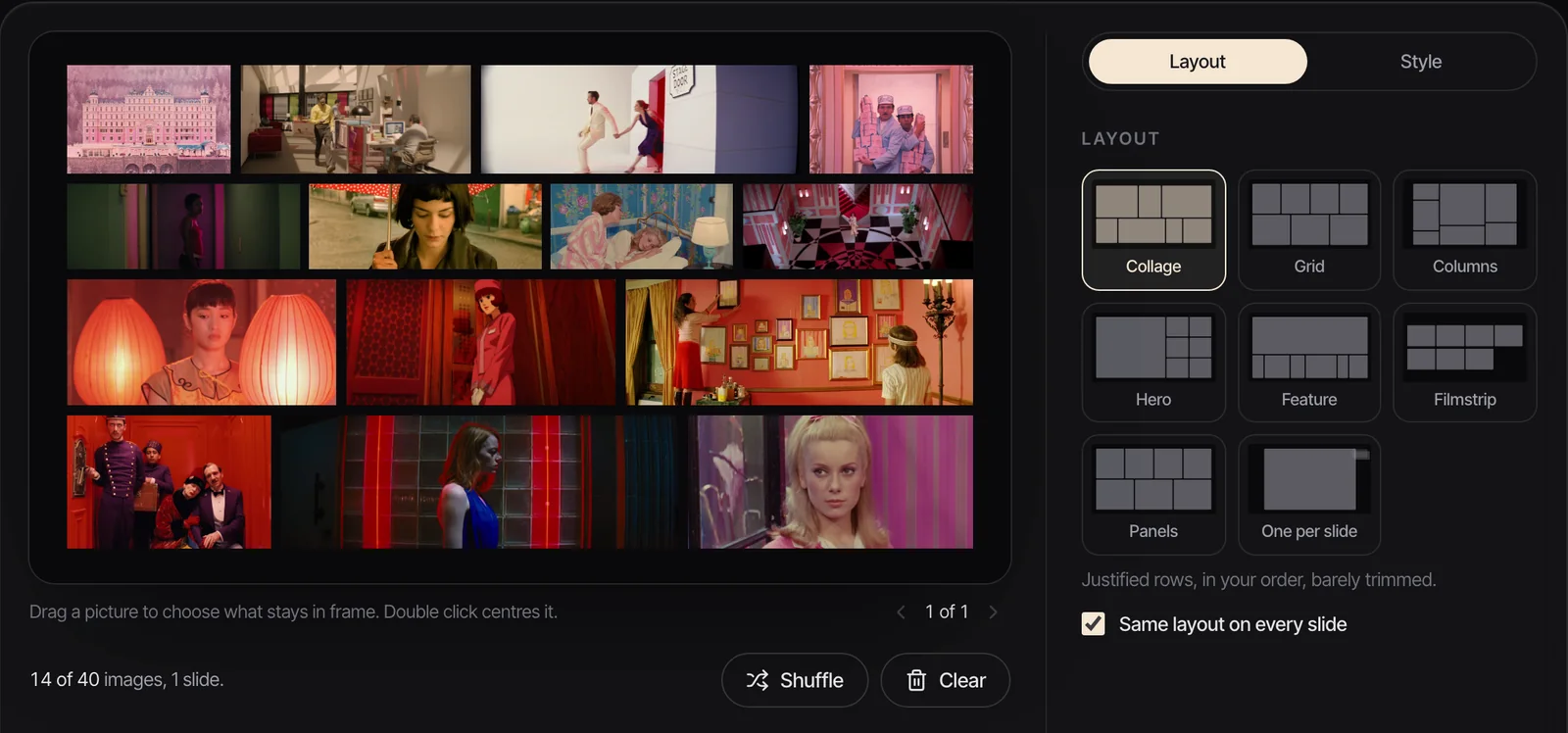
If you'd rather send a short PDF or slides, our free moodboard maker lays your reference frames out in eight layouts and exports a .pptx or PDF in a minute, without uploading anything.
What you should get back
A good production company replies with questions first, then a treatment from the director, and a proposal with costs and a schedule from the producer. Our posts on director's treatment examples and how to build a film treatment show what the creative half looks like. The costed half is covered in our video production proposal template.
Book a briefing call as well as sending the document. BetterBriefs makes the point that a brief and a briefing are different things, and a call is where the production company asks what the page couldn't answer.

FAQs
What should a video creative brief include?
Background, objective, audience, the one thing to say, tone, references, mandatories, deliverables, usage, budget, timeline, approvals, what already exists and what you want back. The references section should have three films you love and one you don't, each with a timecode and a note on what to take from it.
How long should a video brief be?
Two pages is plenty for the brief itself, with guidelines and references attached. In the BetterBriefs Project's research, 54% of agencies said the briefs they receive are too long. Put supporting material in an appendix and keep the brief to decisions.
Should I include the budget in a video brief?
Yes. A range, with what it covers, lets production companies design an idea that fits. Without one, treatments tend to come back too big or too cautious, and the quotes can't be compared.
How many references should a creative brief have?
Three you love and one you don't is a good rule. Three show a pattern, and one dislike marks the edge. Give each a link with a start time and a line on what to take and what to leave.
What's the difference between a brief and a treatment?
The brief comes from the agency or brand and says what the film must do. The treatment comes back from the director and says how they'd make it. A clear brief is what makes treatments from different directors comparable.
What does usage mean in a video brief?
Where the film will run, in which media, in which countries and for how long. It affects the cost of actors' buyouts and music licences, so put the maximum you might need in the brief and check the final terms with your legal team.
Keep reading
All articles
How Much Does Video Production Cost in the UK? (2026 Guide)
Every video quote is the same handful of lines in different sizes. Here they are, priced from published 2026 rates, with three worked budgets and the questions that get you a quote you can compare.
How to Collect References From Clients (Without 40 WhatsApps)
A client who sends forty links has told you everything and nothing. Ask for four, each with a sentence and a timecode, and you'll learn more.

Video Production Proposal Template (and What Clients Actually Read)
Clients read three things in a proposal: whether you understood them, what they'll get, and what it costs. Here's a template built around those, with every budget line explained.