
Moodboard vs Storyboard vs Shot List: What Each One Is For
Six documents, six different questions. Ask for the wrong one and you get a beautiful answer to something nobody asked, usually a day before the shoot.
By the Spark team ·
A moodboard shows how a film should feel: its colour, light, texture and world, usually in references borrowed from other work. A storyboard shows what happens, shot by shot, in order. A shot list turns those shots into a numbered list the crew can schedule and shoot. Style frames show a few finished frames of an animation before it's made, a treatment argues for the whole idea in words and pictures, and a lookbook shows the look as a sequence, one image per page.
The quickest way to keep them apart is the question each one answers. Here's the whole set on one table, then each in turn with an example. All six turn up on commercial jobs, and mixing them up wastes prep time.
| Document | The question it answers | Who reads it | When in the job | What goes in it |
|---|---|---|---|---|
| Moodboard | How should it feel? | Client, director, heads of department | Pitch and early prep | 8 to 20 references: frames, clips, colour, texture |
| Storyboard | What happens, shot by shot? | Client, agency, director, DoP, editor | Once the idea is agreed, before the shoot | A drawn or photographed panel per shot, with action and camera notes |
| Shot list | What exactly do we shoot, and how? | DoP, first AD, camera and lighting crews | Prep and on set | Numbered shots with size, lens, movement and setup |
| Style frames | What will a finished frame look like? | Client, designers, animators | Pitch and design stage of animation and motion | A handful of designed frames at final quality |
| Treatment | Why this idea, and why this director? | Client, agency, commissioner | Pitch | The approach in words, with story, tone, look and casting pages |
| Lookbook | What is the look, page by page? | Crew, buyers, partners | Once the direction is chosen | A sequence of images, one per page, with little type |
Moodboard: how should it feel?
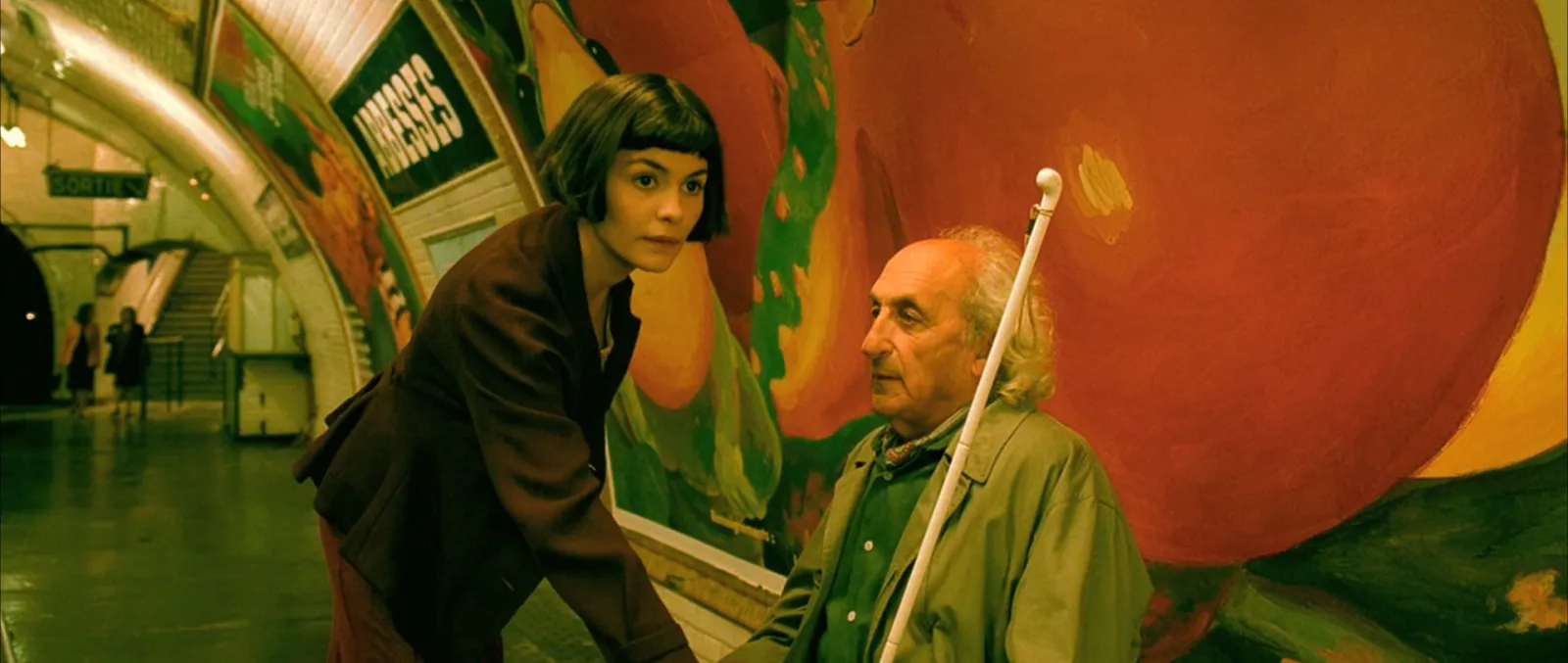
A moodboard sets the feel of the whole film in one look. It's made of other people's frames, and that's fine, because it isn't a plan of shots; it's an agreement about colour, light, texture and tone. Nothing on it is numbered or in order. A good one answers one question, such as how the night scenes are lit, and could be summed up in a sentence.
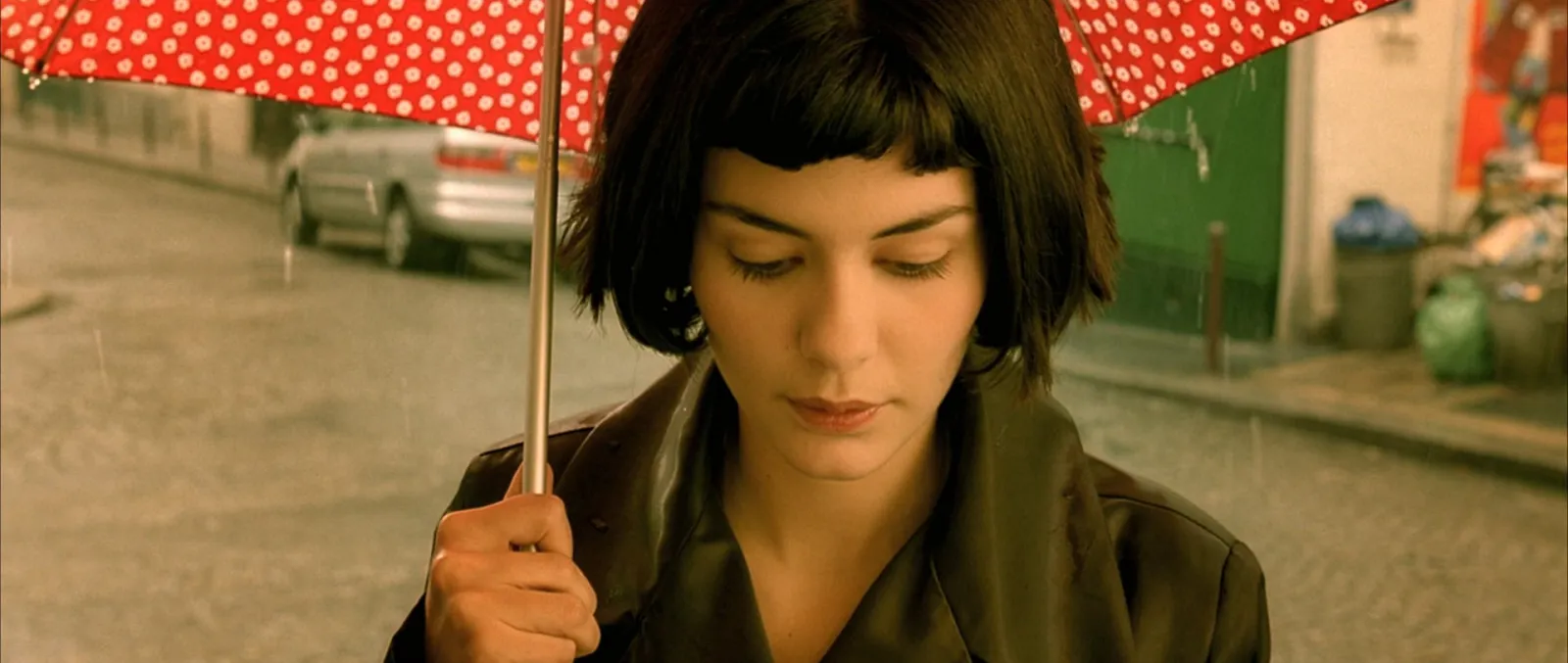

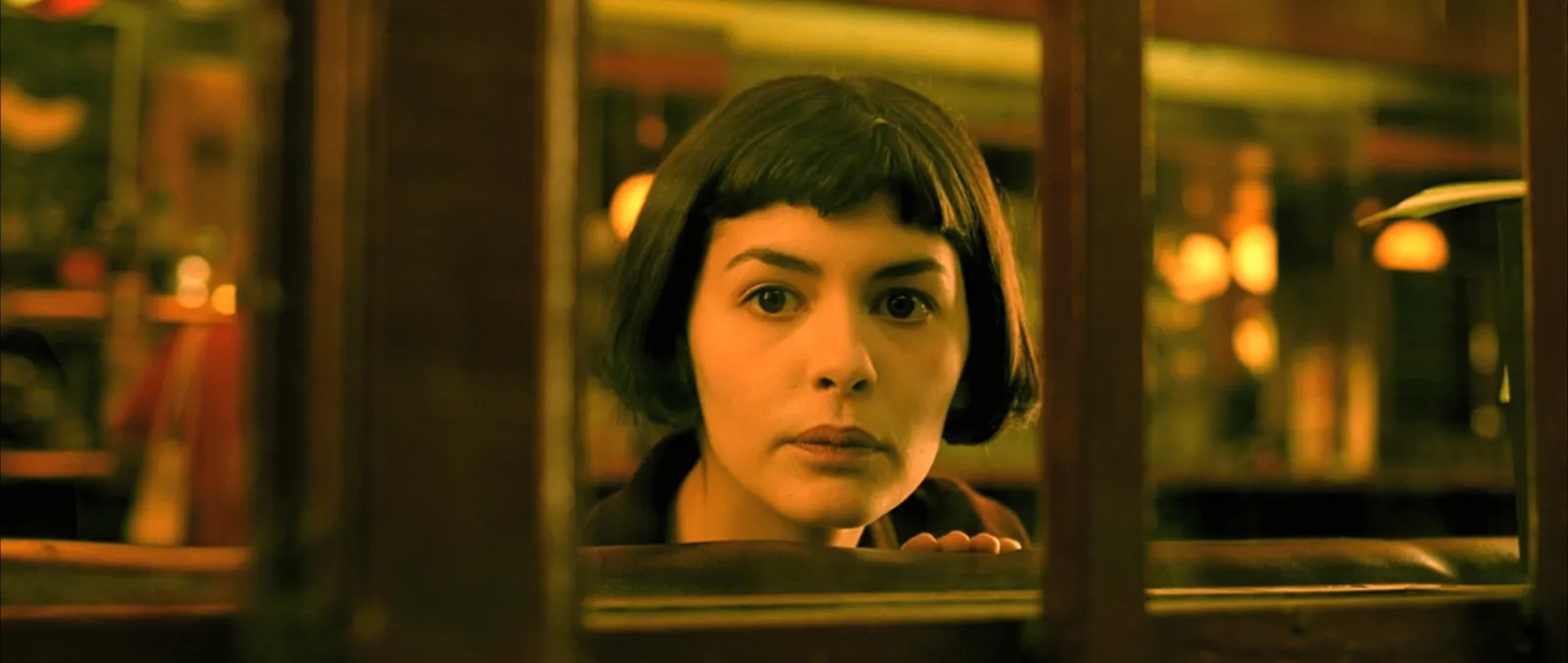
Moodboards come first. They're in the pitch, often inside the treatment, and they guide the heads of department through prep. Our guide to making a moodboard for a video project covers the method, and our free moodboard templates post shows eight layouts with real boards.
Storyboard: what happens, shot by shot?
A storyboard draws the film in order, one panel per shot, with notes on action, camera and sometimes dialogue. It's about content and sequence, not mood. Panels can be rough stick figures and still do the job, because the questions are "what's in frame?" and "what comes next?". On commercials, the storyboard is often what the client signs off before the shoot.
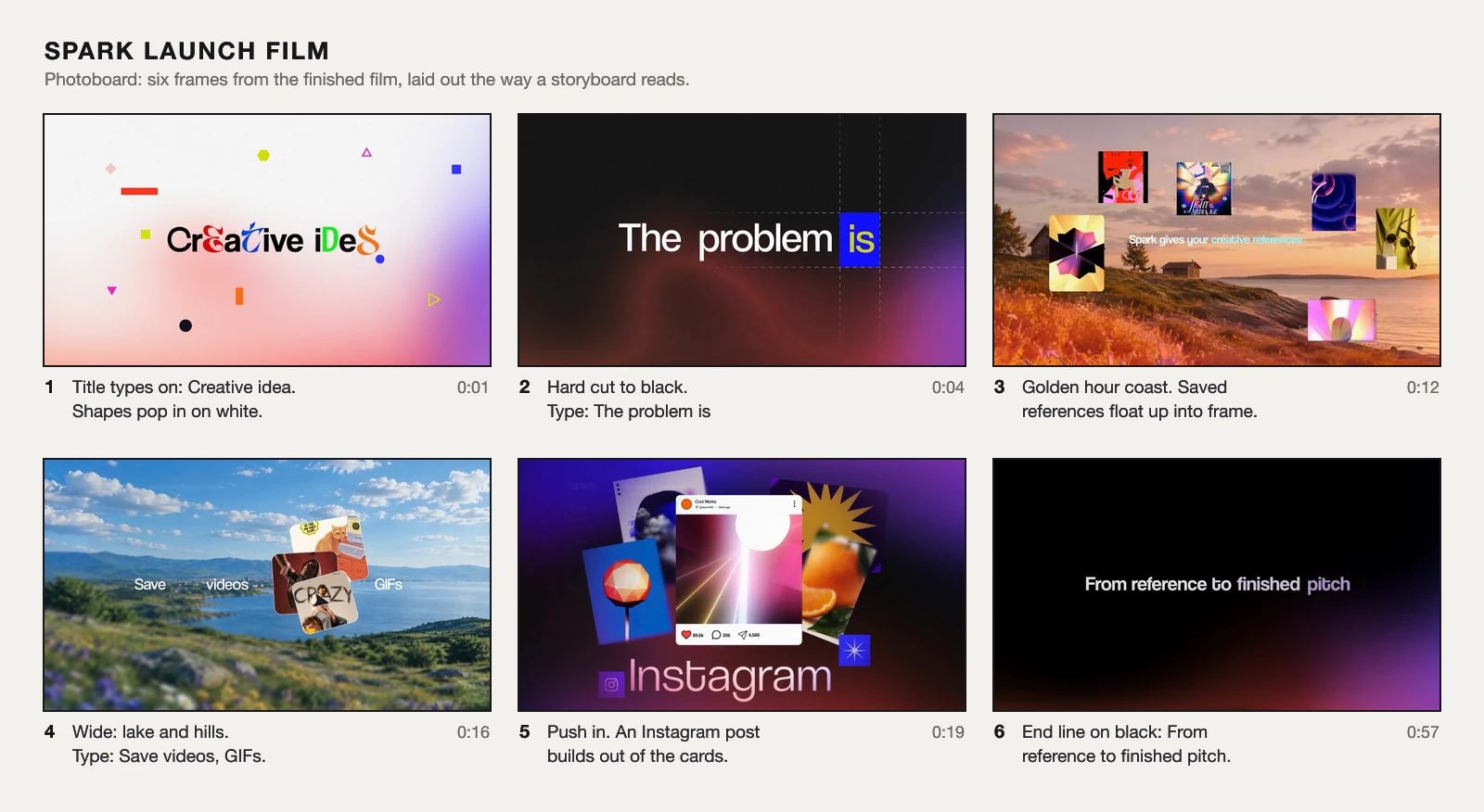
Two close relatives. An animatic is a storyboard cut to time with sound, so you can feel the pace before the shoot or the animation. A ripomatic does the same with borrowed footage instead of drawings, which is how agencies test an idea; our guide to making a ripomatic explains how. For the tools, see our round up of the best storyboard software.
Shot list: what exactly do we shoot?
A shot list is the working document. Every shot gets a number, a size (wide, mid, close), a lens or lens feel, movement, the setup it belongs to and notes for camera, lighting and the AD. It's what gets scheduled into a day. The storyboard tells you the shot exists; the shot list tells the crew how to get it.
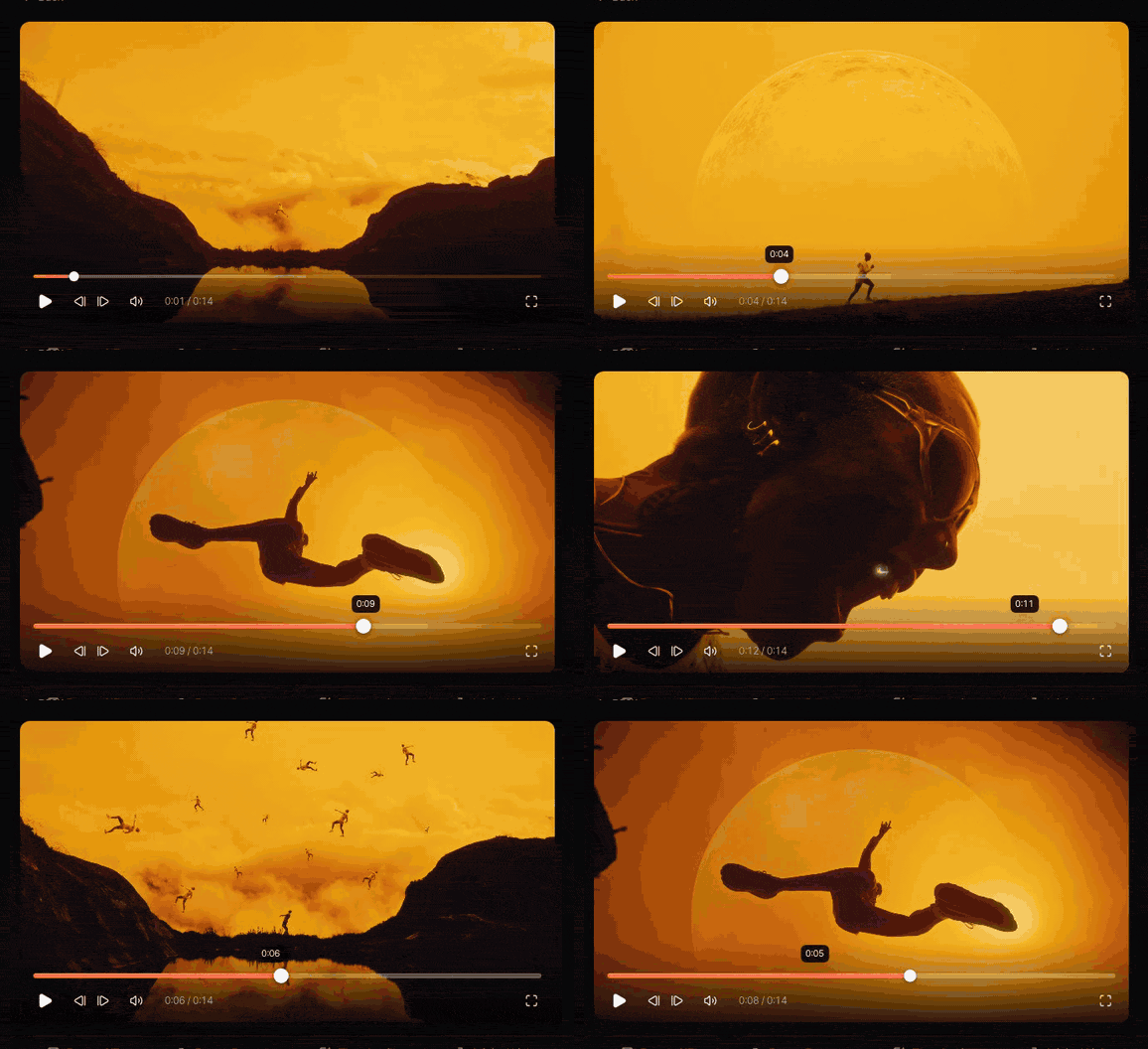
On jobs without the time or budget for a storyboard artist, a shot list with a reference frame on every line covers most of what the storyboard would. Our guide to building a shot list from video references walks through it with a worked example, and there's a copyable shot list template with filled examples for ads, music videos and social.
Style frames: what will a finished frame look like?
Style frames belong to animation and motion design. They're a few finished frames (typically designed in Photoshop, Illustrator, Figma or Cinema 4D) that show exactly how the final piece will look before anyone animates it: the type, the colour, the shapes, the texture. A moodboard says "something like this"; a style frame says "this, exactly".
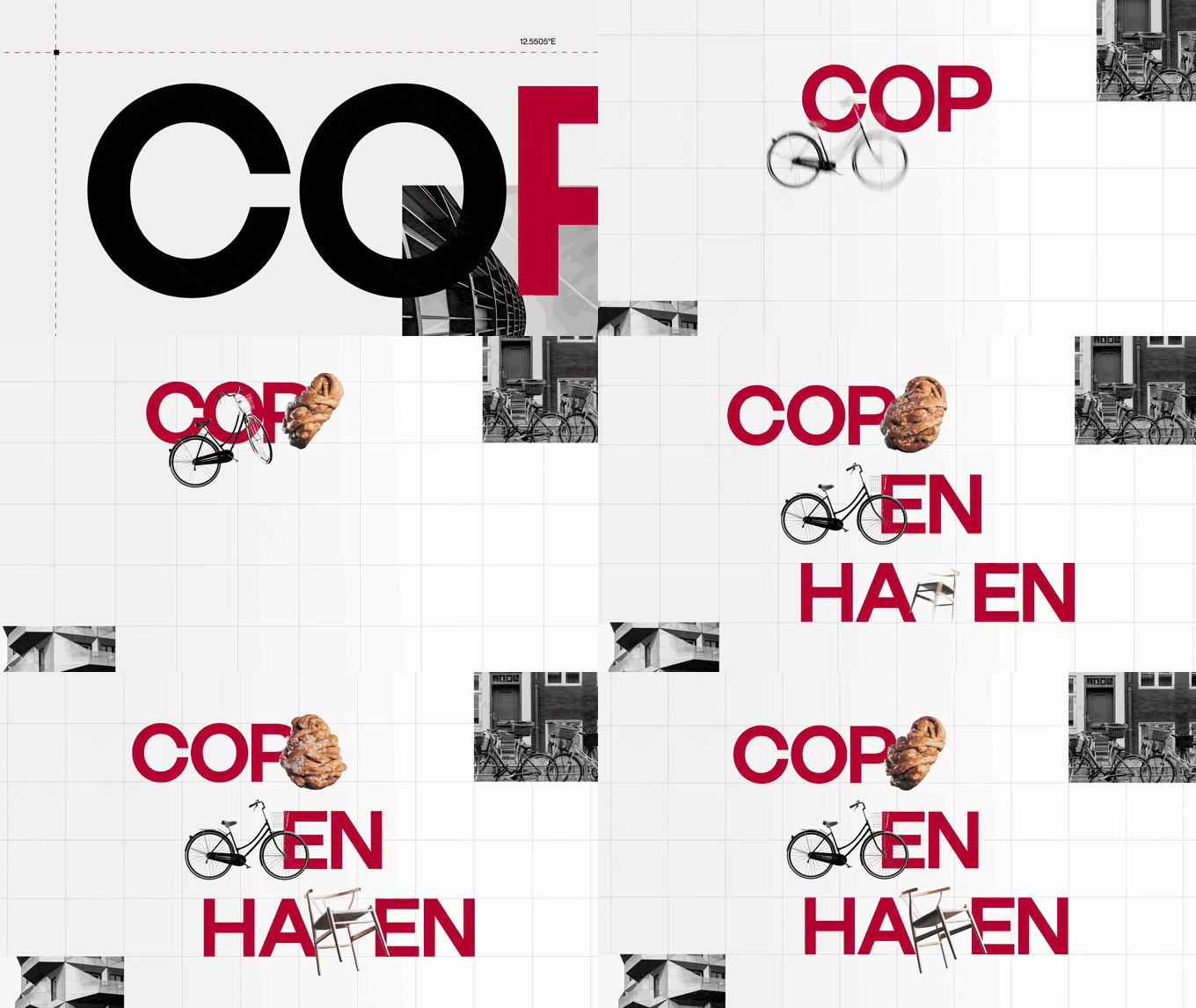
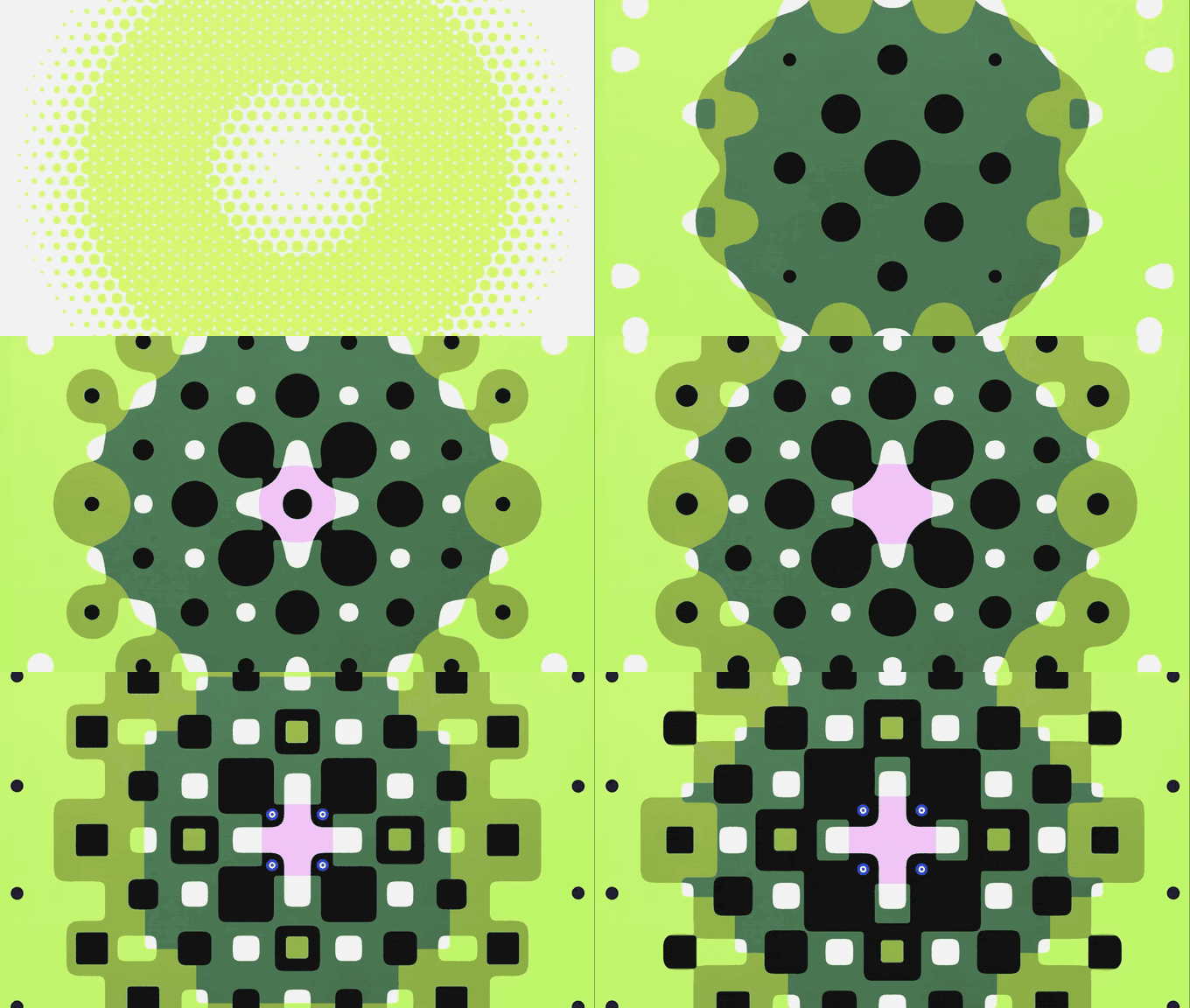
Style frames usually sit in the pitch next to the moodboard, then lead into a storyboard and an animatic. Our guide to making style frames covers how many to make and how finished they need to be.
Treatment: why this idea, and why you?
A treatment is a sales document. It sets out the director's approach in their own voice (story, tone, character, look, casting, sound) and argues for it. Moodboard pages usually sit inside it as the look section, and sometimes a rough storyboard of key moments. It's written to win the job, so it persuades where the other documents describe.
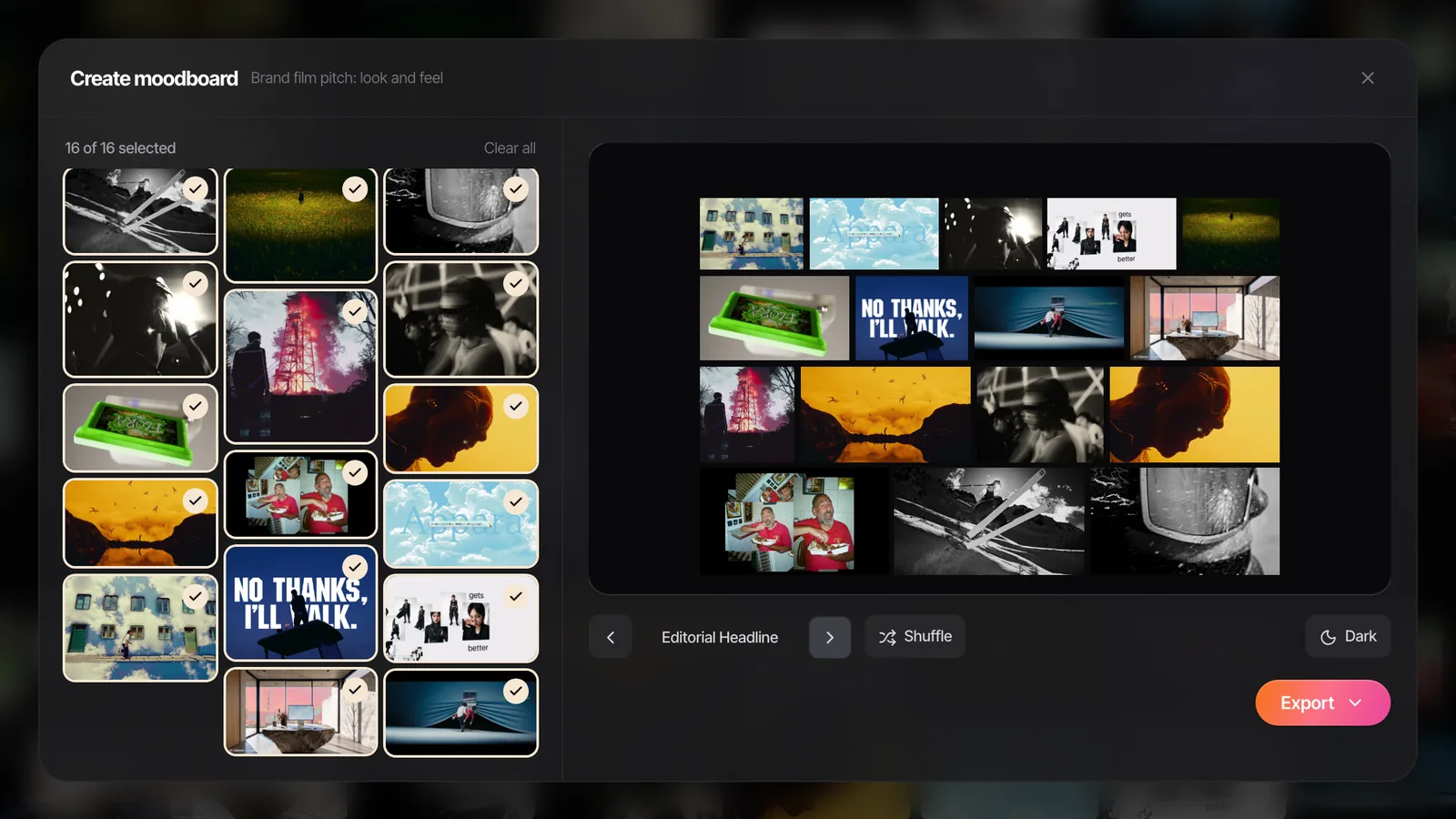
Our guide to building a film treatment covers structure and length, and director's treatment examples shows what winning commercial treatments include.
Lookbook: the look, page by page
A lookbook is a moodboard with a running order. It shows a look in sequence, usually one image per page, after the direction has been chosen. Fashion lookbooks show a collection look by look. Film lookbooks set out the visual approach for the crew and sometimes financiers. Brand lookbooks show a brand's world to agencies and partners.
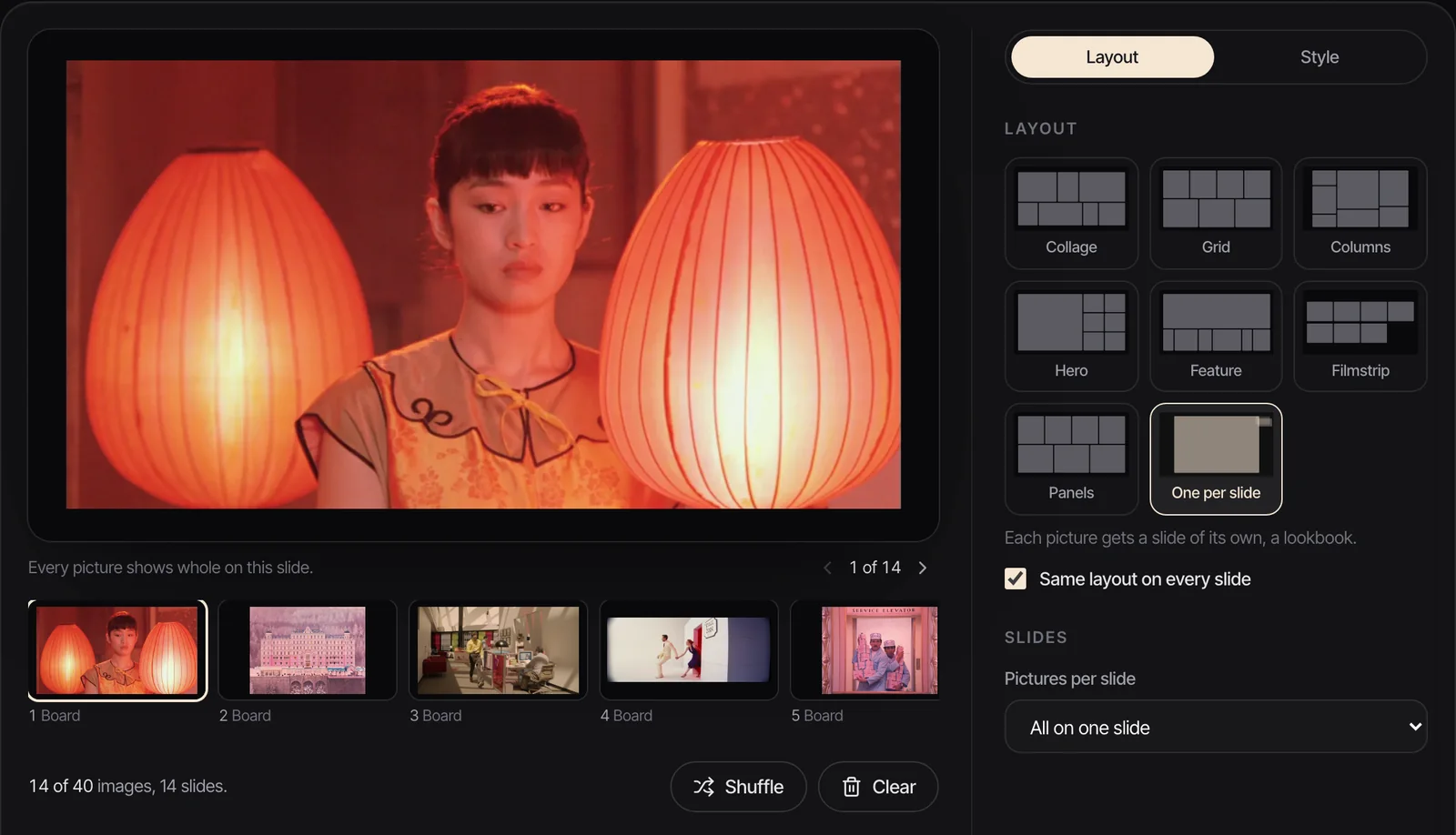
Our guide on how to make a lookbook covers sequencing and pacing. And if a lookbook starts filling up with rules (always, never, only), it has become a seventh document: a visual style guide, which keeps a series or campaign looking like itself after the pitch is won.
How they fit together on a job
The order changes with the kind of job, but the logic doesn't: feel, then content, then logistics.
A commercial or brand film usually runs: moodboard, then treatment (with the moodboard inside it), then after the award a storyboard or animatic for client sign off, then the shot list for the shoot.
A music video often skips the formal storyboard. Moodboard and treatment win it, and a shot list with reference frames does the rest.
An animation or motion piece runs moodboard, style frames, storyboard, animatic, then animation. Style frames and the animatic are where the client signs off.
The references travel through all of them. The frame that sets the light on the moodboard becomes a look page in the treatment and the reference on shot 12 of the shot list. That's why it pays to keep them in one place from the first day.
Where to make each one
| Tool | Good for | Price (as of October 2026) |
|---|---|---|
| Our free moodboard maker | Moodboards and lookbooks: 8 layouts including One per slide, exports .pptx, PDF or PNG | Free, no sign-up |
| Milanote | Moodboards with notes, early treatment thinking | Free for 100 notes, images or links; $9.99 a month billed yearly |
| Boords | Storyboards and animatics | Free for 5 active storyboards; Solo $26 a month billed yearly, $39 monthly |
| Storyboarder | Quick drawn storyboards | Free and open source; no new release since 2020 |
| Google Sheets | Shot lists | Free with a Google account |
| Figma | Style frames | Free Starter plan; paid seats for teams |
| Keynote | Treatments and lookbooks | Free on Mac, iPad and iPhone |
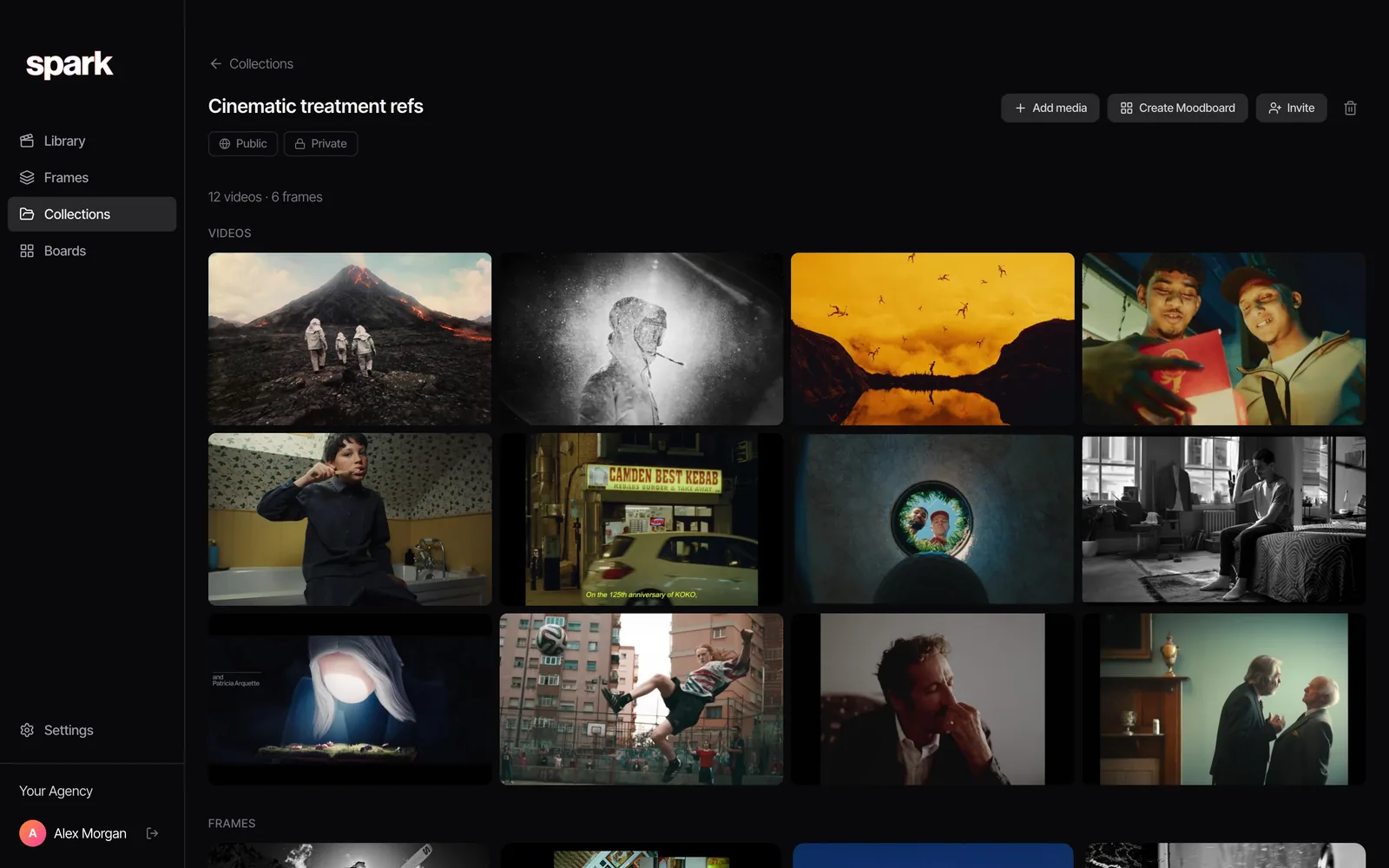
| Spark | Keeping the video references behind all six | Free for 15 videos and 30 frames; Creator £16 a month; Studio £23 per user a month |



Prices checked on each vendor's site in October 2026; Milanote and Boords price in dollars, Spark in pounds ($24 and $34 in the US).
The mix ups that cost prep time
"Can you send the storyboard?" when they mean the moodboard. Storyboard gets used loosely for any visual document. Ask what they'll use it for: approving the look, or approving the shots.
A moodboard used as a shot list. A board of beautiful frames tells the DoP the feel but not the shots. If the crew is building the day from it, it's time for a shot list.
Style frames that are really a moodboard. If the frames are other people's work, they're references. Style frames are your own designed frames at final quality.
A lookbook that's a style guide. Sequence and mood make a lookbook. Rules make a style guide. Mixing them makes a long document nobody follows.
FAQs
What is the difference between a moodboard and a storyboard?
A moodboard shows how a film should feel, using references for colour, light, texture and tone, with no order and no specific shots. A storyboard shows what happens in each shot, in order, usually as drawn panels with action and camera notes. The moodboard comes first and agrees the look; the storyboard comes later and agrees the content.
Which comes first, a moodboard or a storyboard?
The moodboard. It's made at the pitch or early in prep to agree the look and feel, often inside the treatment. The storyboard follows once the idea is agreed, so the client and crew can approve the shots before the shoot.
Is a shot list the same as a storyboard?
No. A storyboard is visual and shows what each shot looks like in sequence; a shot list is a numbered, written list of shots with technical details such as size, lens, movement and setup, used to schedule and run the shoot. Many productions use both, and a shot list with a reference frame per line can stand in for a storyboard when there's no time to draw one.
What are style frames?
Style frames are a few finished, designed frames that show exactly how an animation or motion piece will look before it's animated. Unlike a moodboard, which uses other people's work as reference, style frames are original artwork at final quality, and clients often sign off on them before the storyboard and animatic.
Is a lookbook the same as a moodboard?
They're close relatives. A moodboard is seen all at once and explores a feeling, usually early on. A lookbook is a sequence, one image per page, that presents a direction already chosen, so its order and pacing matter as much as its pictures.
Do I need a storyboard for a music video or a commercial?
For commercials, usually yes, because the client often signs off on a storyboard or animatic before the shoot. Music videos often get by with a moodboard, a treatment and a shot list with reference frames, especially on tight schedules and budgets.
Keep reading
All articles
How to Make a Lookbook for Fashion, Film and Brand Shoots
A lookbook is a moodboard with a running order. Get the order right and the pictures do the talking; get it wrong and even great frames read as a slideshow.
How to Present a Moodboard to a Client (Without Losing the Room)
A moodboard doesn't speak for itself. Left alone on a screen, it invites a room full of opinions; introduced well, it gets you a decision in five minutes.
How to Make a Moodboard in Figma or FigJam
Figma gives you more control over a moodboard than any slide app. It also freezes your GIFs in the editor, which matters the moment your references move.